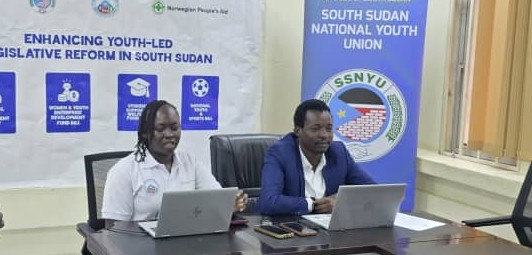
Youth leaders and activists in South Sudan have welcomed the passage of the National Youth Development Policy 2025 by the Revitalized Transitional National Legislature, but emphasized the urgent need for swift implementation to turn the policy’s promises into tangible benefits.
The policy provides a national framework aimed at empowering young people through enhanced political participation, economic opportunities, and peacebuilding initiatives. Key provisions include a 20% quota for youth in leadership positions, a 10% national budget allocation for youth programs, and a 0.05% share of non-oil revenues for youth initiatives.
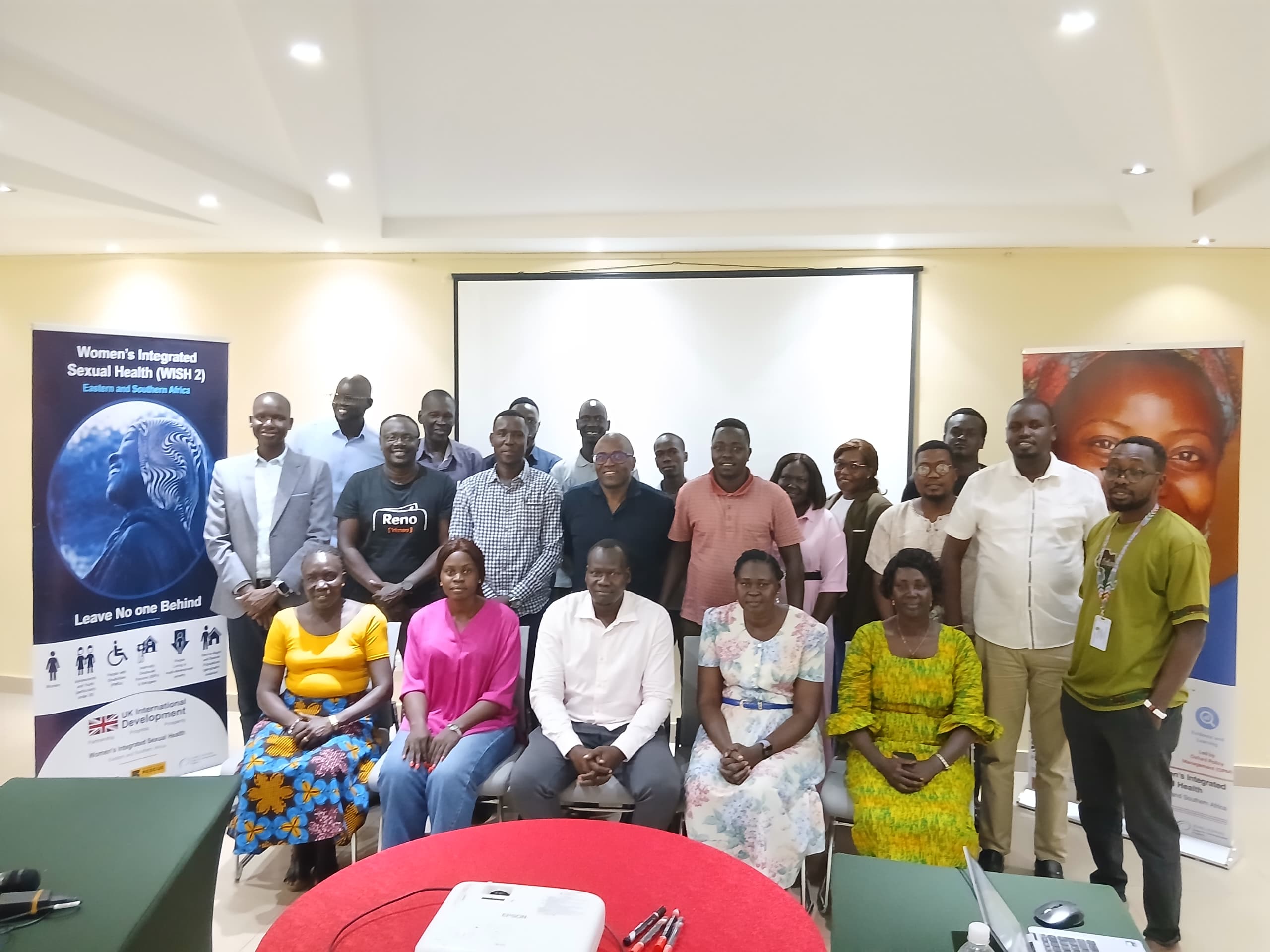
Florence Agiba, Executive Director of Markaz Al-Salam, described the policy as “a generational shift toward inclusive governance” and a clear recognition of youth as active agents of change.
“The passage of the policy is a milestone, but its impact depends on how quickly it is implemented,” Agiba said. “We must move from paper to practice.”
Thess Marial Rong, Secretary for Information at the National Youth Union, hailed the policy as a historic victory but echoed concerns about enforcement and accountability.
“This is a landmark moment for South Sudanese youth,” Marial said. “Now, it is critical that the government ensures resource allocation, clear monitoring, and consistent youth representation at all levels.”

Civil society also stressed the importance of clarity in defining youth. While the policy currently defines youth as those aged 18 to 35, Agiba called for alignment with the continental standard of 15 to 35, enabling broader access to regional opportunities.
Edmon Yakani, Executive Director of CEPO, congratulated the legislature but emphasized that implementation, dissemination, and ownership by youth are the next steps.
“The agreed quotas and budget allocations are encouraging, but the real success lies in ensuring that young people across South Sudan can access these benefits,” Yakani said. “We must hold the government accountable to deliver effectively and on time.”
The policy also outlines measures to expand youth access to education, employment, technology, climate action, health services, and civic participation, signaling a comprehensive approach to youth development — if fully implemented.
As South Sudanese youth celebrate this policy victory, they are united in the message: passage alone is not enough. Immediate, transparent, and tangible steps are needed to ensure the country’s youth can meaningfully shape the nation’s future.