
Health experts in Unity State are calling for immediate and coordinated action to address rising maternal deaths, teenage pregnancies, and environmental risks that continue to threaten the wellbeing of women and newborns.
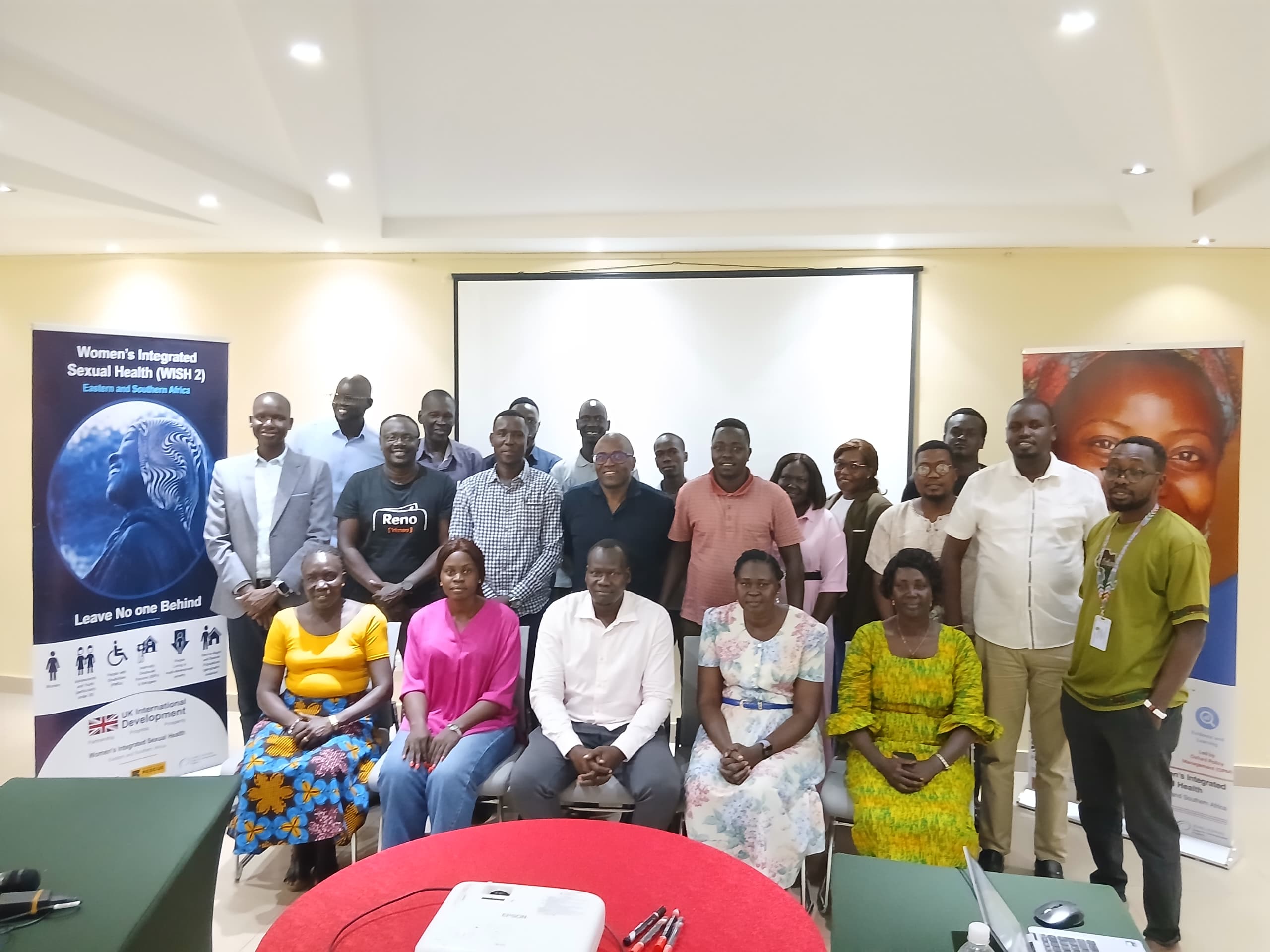
The call was made during a quarterly review meeting held in August 2025, where County Health Director Mr. Gai Patai painted a stark picture of the state’s maternal health situation.
He revealed a surge in maternal mortality and morbidity, alongside a troubling rise in fistula cases among young girls.
“Many teenagers are becoming pregnant while their bodies are not ready. This leads to complications, including fistula and maternal deaths,” Patai said.
In addition to reproductive health concerns, Patai expressed growing worry over possible environmental impacts linked to oil production activities.
“We believe oil exploration could be a factor behind the deformities we’re seeing in some newborns,” he noted, urging further investigation and stronger environmental monitoring.
Despite ongoing efforts, many women continue to miss antenatal care (ANC) visits, denying them essential supplements such as ferrous sulfate, which is critical in reducing pregnancy risks.
In response to the alarming trend, the Unity State Ministry of Health has intensified its efforts to identify women suffering from fistula and refer them to Bentiu State Hospital for surgical intervention.
“Two women, one from Rubkona and one from Bentiu have successfully undergone fistula repair and are now healthy,” Patai confirmed.
To strengthen maternal healthcare delivery, the county has launched quarterly training sessions for midwives. Each Primary Health Care Centre (PHCC) currently hosts four midwives, while Primary Health Care Units (PHCUs) have two, across 17 facilities in Gona County.
Partners have also stepped in to support the state’s efforts.
“With support from Health Link South Sudan and Cordaid, and financial backing from the UNFPA South Sudan Country Office with funding from KOICA, we are now running SRHR life-saving reproductive health support for flood-affected communities in Yoanyang PHCC, Rubkona, Bentiu County,” Patai said.
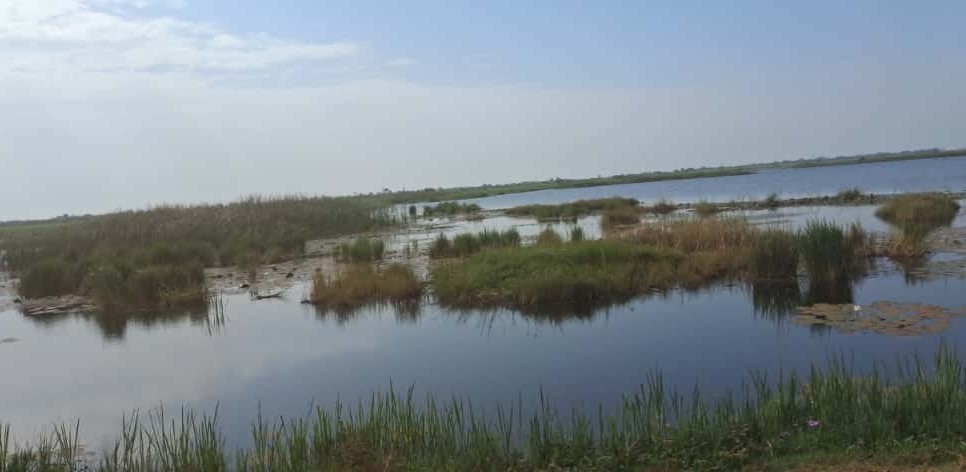
However, major obstacles persist. Widespread flooding, poor road networks, insecurity, and limited funding continue to inhibit health workers’ ability to reach remote populations.
The recent influx of returnees from Sudan has further strained already limited supplies.
“When new supplies arrive, they finish within two or three months due to population pressure,” Patai explained.
Health experts are now appealing for sustained investment in community-based reproductive health services and stronger coordination between health and education sectors.
They believe empowering girls with reproductive health knowledge and improving maternal care accessibility are crucial to reversing the worrying trends.
“Safe motherhood should not be a privilege,” Patai emphasized. “It must be a priority.”