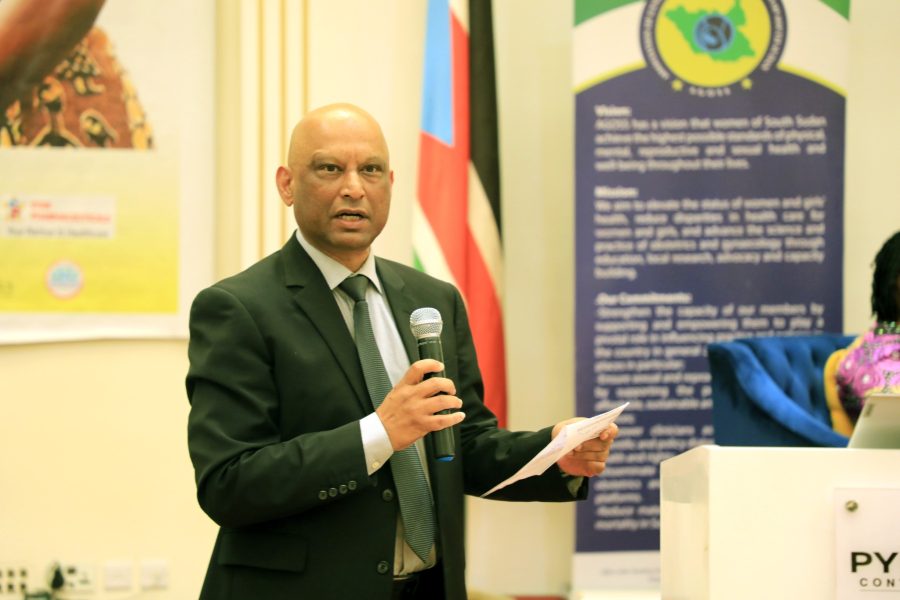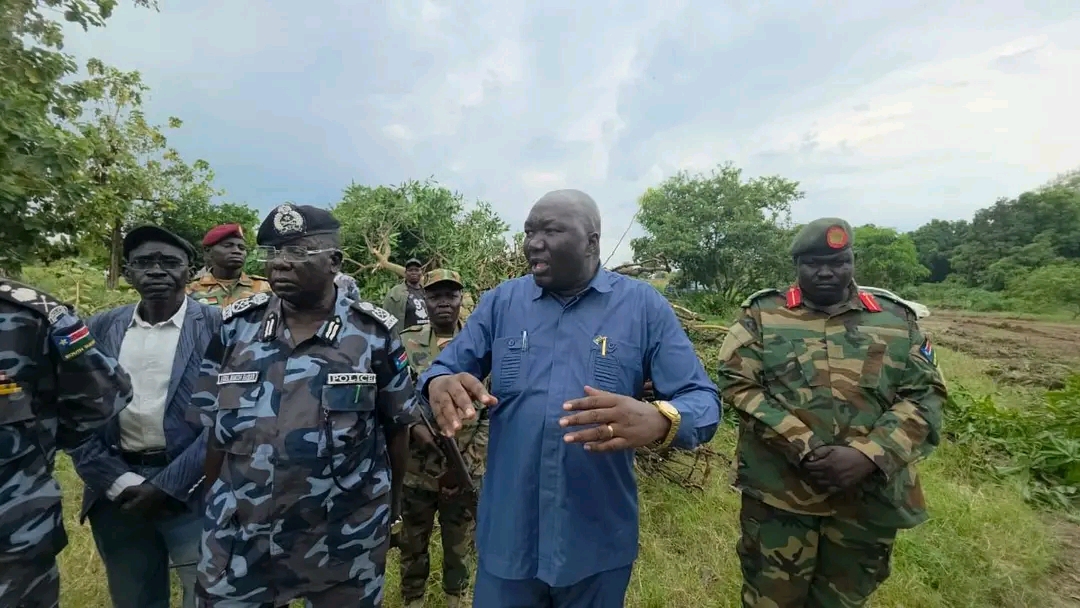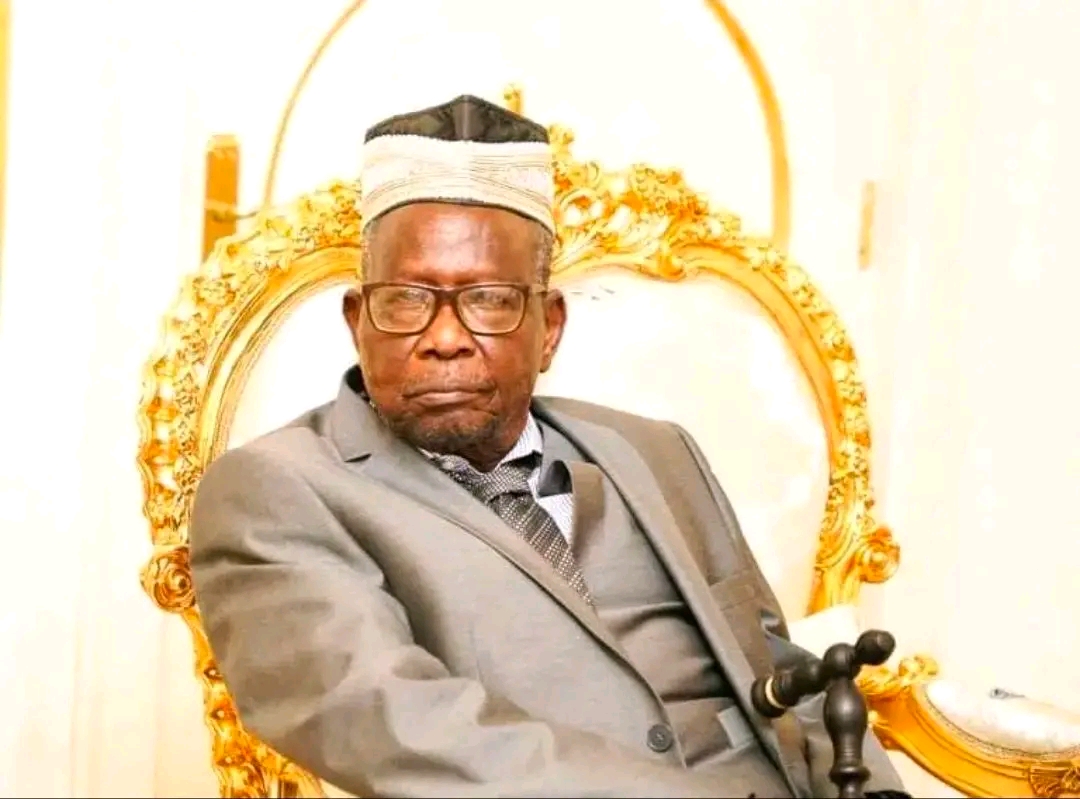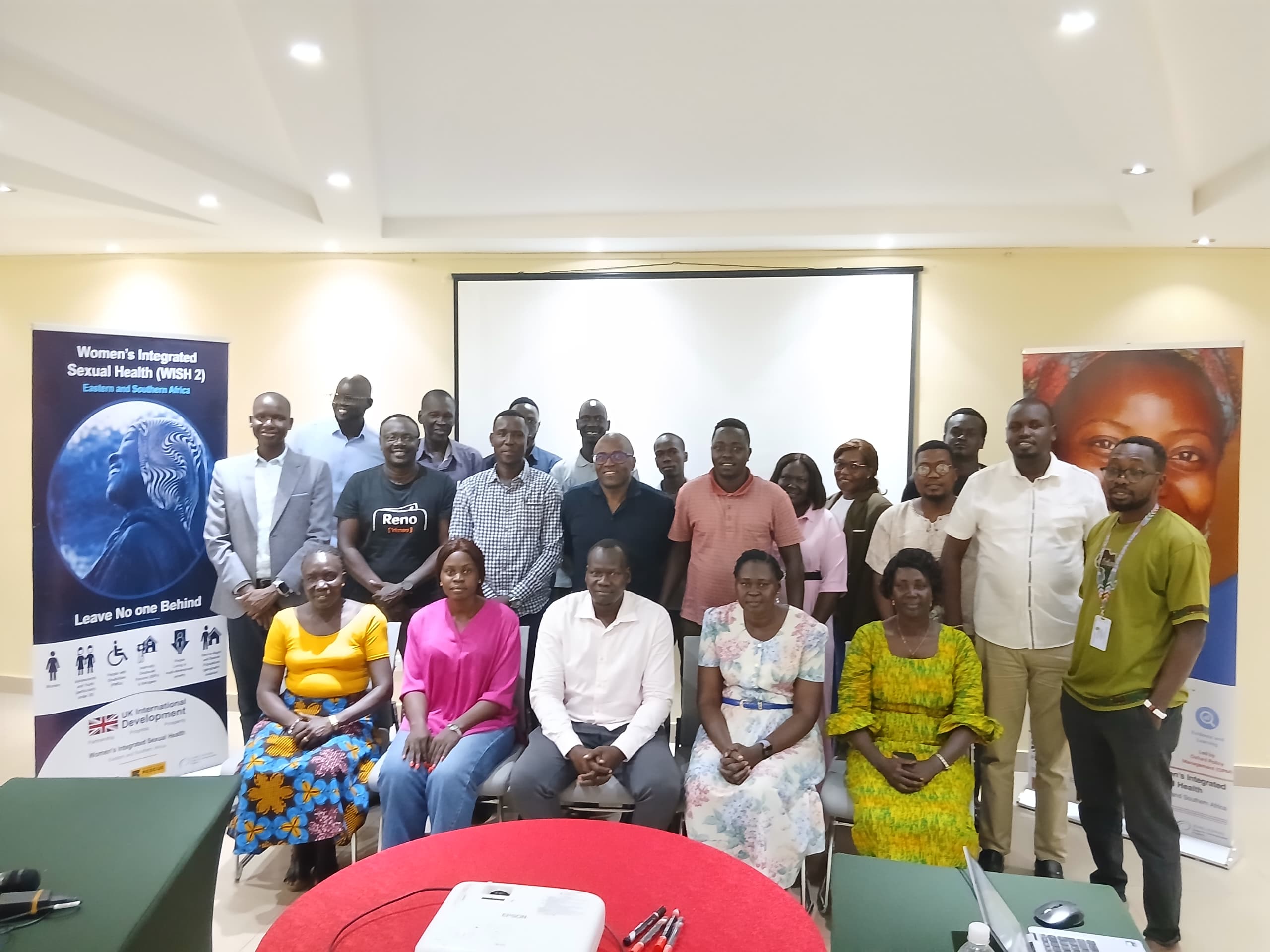
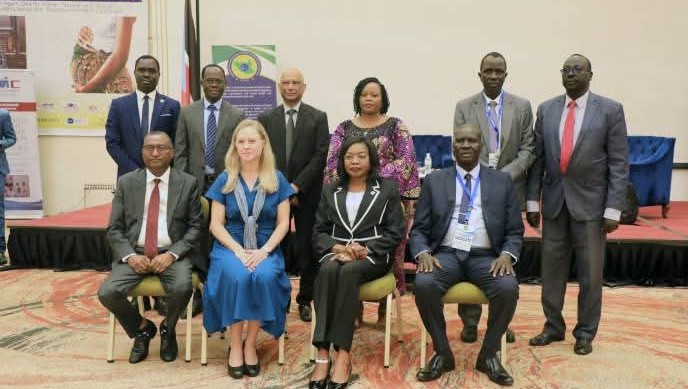
Regional and national health leaders have issued a unified call for greater investment, improved emergency response systems, and stronger protection for medical workers as the Association of Gynecologists and Obstetricians of South Sudan (AGOSS) concluded its 4th Annual Scientific Conference on Sunday in Juba.
The high-level gathering, hosted at the Pyramid Hotel, brought together specialists from across South Sudan as well as visiting delegates from Kenya, Ethiopia, and Rwanda reflecting AGOSS’s growing regional credibility and its rising role as a leading scientific platform for reproductive and maternal health.
Dr. Zechariah J. Malel, President of the Association of Gynecologists and Obstetricians of South Sudan (AGOSS) lauded the association’s expanding influence, noting its growing partnerships with UN agencies, global medical institutions, and regional universities.
He emphasized that AGOSS has become a key driver of maternal health research, guideline development, and capacity-building efforts across the country.
Addressing the conference, Dr. Benjamin Malek, Chairperson of the TNLA Health Committee, warned that South Sudan’s health facilities remain dangerously under-resourced despite the presence of skilled professionals.
He cited chronic shortages of essential supplies, forcing families to purchase consumables during medical emergencies a situation he described as unacceptable.
Dr. Malek also raised serious concerns about the arrest and harassment of doctors in the absence of clear medico-legal frameworks.
He called for the creation of a national forum involving Parliament, the judiciary, law enforcement, and medical associations to safeguard health workers and ensure accountability without intimidation.
For Rev. Janet Michael, Director General for Nurses and Midwives, poor quality of care remains a major barrier to saving lives.
Despite more trained staff entering the workforce, she said patient outcomes continue to suffer due to delays in handling emergencies particularly among mothers experiencing heavy bleeding.
“We must act fast and recognize danger,” she urged, calling on both public and private facilities to improve commitment, discipline, and accountability in emergency maternity services.
One of the most urgent appeals came from Dr. Adut Jervase, Deputy Chairperson of the South Sudan Doctors’ Union (SSDU), who praised AGOSS for elevating the country’s scientific profile but warned that health professionals cannot deliver quality care without basic tools.
She described the situation of frontline health workers many of whom have gone four months without receiving their incentives—as a crisis requiring immediate intervention.
“We cannot expect excellence while our people lack the means to work,” she said, urging Parliament to align national health financing with the Abuja Declaration’s 15% budget allocation.
As the conference concluded, delegates underscored the need for stronger collaboration between government institutions, development partners, and medical associations.
The event closed with renewed commitments to advance maternal health reforms, invest in emergency care, strengthen professional protection, and support scientific innovation across South Sudan.
The AGOSS gathering, attended by voices from across the region, served as a powerful reminder that meaningful health transformation will require sustained investment, political will, and unwavering support for the professionals who keep the system running.