For decades, Tonj North County in Warrap State has been a battlefield of revenge, where gunfire replaced dialogue and mourning became a way of life.
The cycle of cattle raids and counterattacks tore families apart, leaving women widowed and children orphaned.
But when violence seemed unstoppable, it was the women, the mothers, widows, and sisters, who rose to restore calm through words, wisdom, and courage.
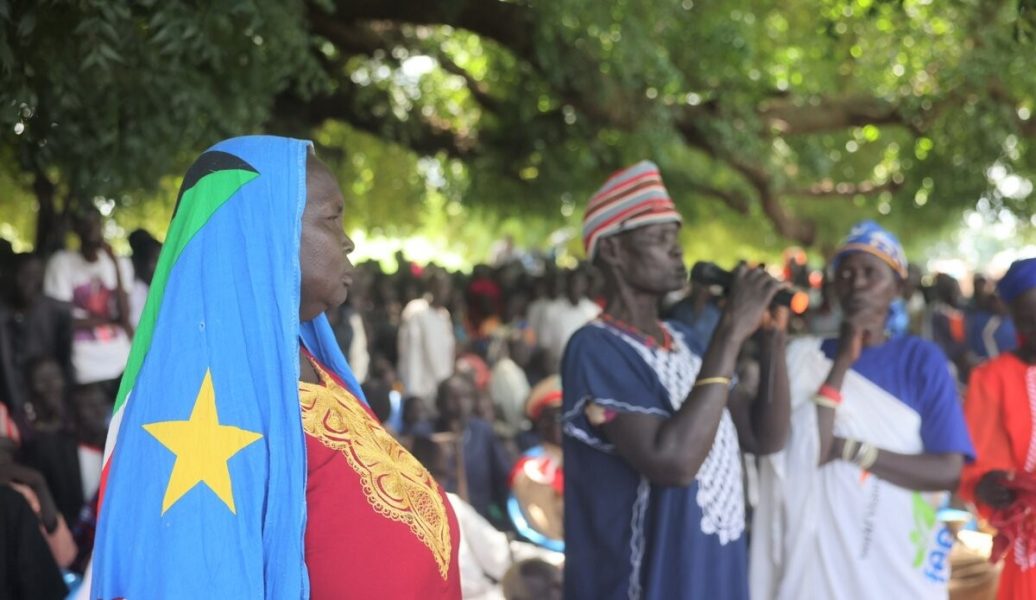
They came together not with weapons, but with songs of peace, prayers, and firm voices calling for unity. Their message was simple but powerful: “Wait first. Talk first. Peace first.”
From mourning to movement
In an interview with the Standard Zone News on Monday, Adut Kongor, a 35-year-old mother of five, living in Akop village, recounted how her community was trapped in endless revenge.
“Every season, we buried our men. One killing led to another. But we women decided that enough was enough. We started talking to our husbands and sons, begging them not to fight, until when they listened,” Kongor said.
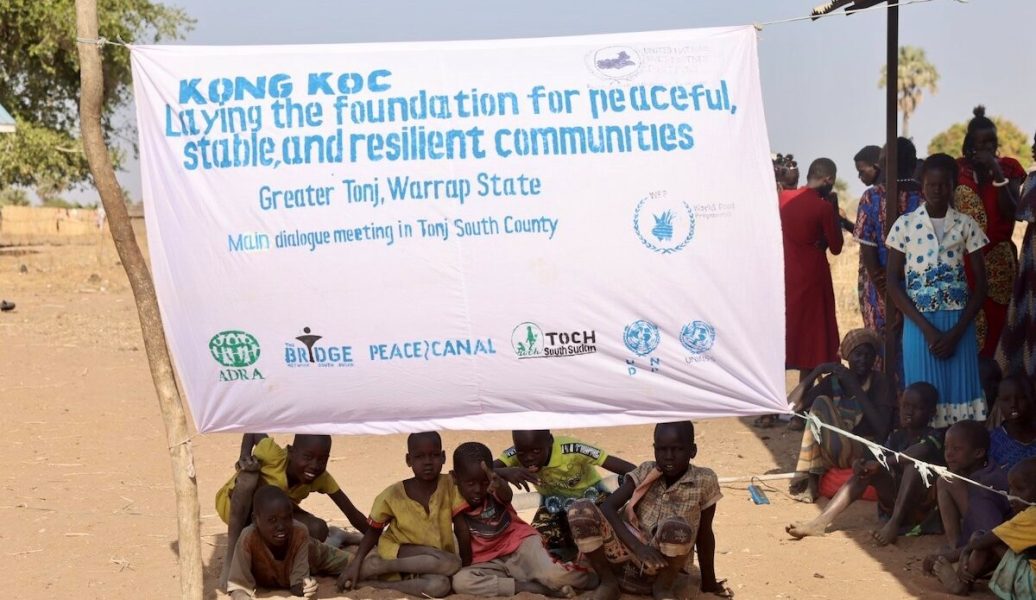
Kongor and other women began organizing peace walks through neighboring villages, carrying tree branches as symbols of peace.
They sang songs urging men to lay down their weapons and reminding them of the pain their families carried.
“We told them that we are tired of burying you. We want to live in peace in our community and think of the enemies in the neighboring areas in the same people,” she stated.
Their local peace messages, Kongor said, sometimes aired during community gatherings or through announcements on the radio, spread hope to neighboring villages.
“When people heard women speaking together, they listened. It’s not easy for a man to ignore his mother or wife when she says stop,” she explained.
Their plea for unity and reconciliation became even more powerful when their songs and peace messages were aired on Konkoc Radio FM, reaching distant villages and transforming women’s local voices into a regional call for reconciliation.
Voices of healing
In Kuengdit village, Angelina Anak, a widow who lost her husband during a 2023 cattle raid, transformed her grief into advocacy.
“At first, I wanted my brothers in-laws to revenge, But when I saw my children crying, I realized I couldn’t teach them hate. I had to teach them peace and that’s what I did because revenge only shed blood,” she admitted.
Anak began organizing small meetings among widows, encouraging them to speak out and forgive.
Their gatherings turned into a quiet but powerful movement for reconciliation as they efforts were not in vain.
“We started meeting the youth, talking to them so that they stop fighting. We urged them to stop fighting so they live for us because we can’t afford to lose them,” she noted.
Her group’s recorded appeals and songs, later broadcast on the local community radio, inspired many young people to abandon thoughts of revenge.
“Hearing our voices on the radio gave us strength. It reminded us that peace is also women’s work,” she said.
Building peace one conversation at a time
Elizabeth Nyariak, a 27-year-old mother of six, in Marial Lou market has become a familiar figure among local traders.
Her tea stall, once just a place for rest, is now known as a peace corner, where men, youth, and women gather to discuss community issues.
“After so many deaths, people were full of anger. But I found that when we sit and talk, the anger fades. Sometimes all we need is someone to listen,” she stressed.
Elizabeth and other women formed a community circle to visit families affected by violence.
Their stories and appeals for calm were shared widely through the Konkoc FM, helping to stop misinformation from spreading.
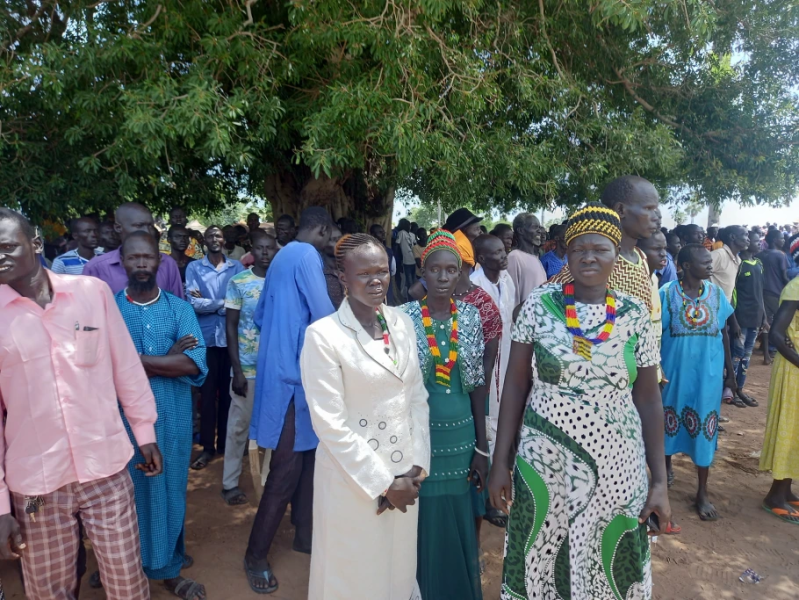
“Before, rumors started wars. Now, when people hear something, they ask first, they don’t pick up the gun. They have been keen and always want to know the information first before rushing to pick up arms,” she explained.
Women take the front line of peace
Meanwhile, Acuil Madut, Tonj North’s Women’s Leader, noted that women’s involvement has redefined how the community responds to conflict.
“When trouble starts, women are the first to hear it. We meet quickly, talk to elders and chiefs, and tell them to stop the youth from mobilizing. We’ve learned that peace is not only made by soldiers, but also by mothers,” she said.
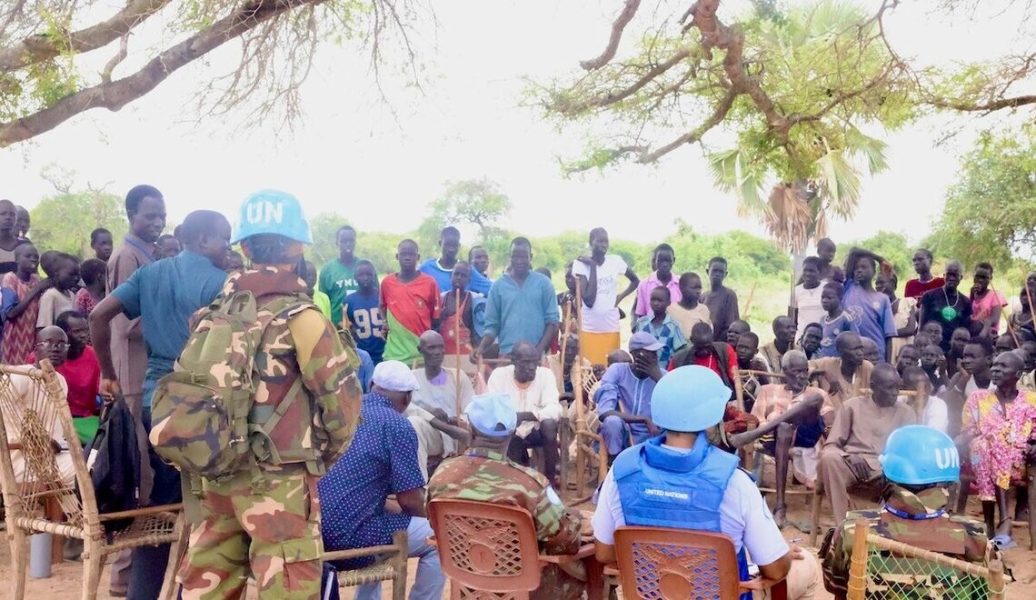
Madut explained that women now serve as informal mediators between rival clans, organizing cross-village dialogues, shared prayers, and community games that bring youth together.
Their calls for unity and reconciliation, amplified during peace events and through public platforms, slowly began to shift the mindset of local youth.
Instead of retaliation, many now choose conversation and cooperation before taking action against each other.
Tonj’s Head Chief, Garang Magot, praised the women’s efforts, emphasizing that their tireless calls for peace have been instrumental in restoring calm to Tonj.
“These women have been the backbone of peace in Tonj North. Their courage, prayers, and tireless calls for reconciliation have saved lives and reminded us all that true leadership begins with care and compassion. They have shown that peace is not just a word, it is a daily action,” he emphasized.
Community reborn through women’s voices
The transformation across Tonj North did not come overnight, it grew from the persistence of women who refused to give up on peace together in collaboration with the local leaders and NGOs, even when the odds were against them.
“This story is reported with a grant from Journalists for Human Rights under the ‘Tackling Mis/Disinformation Project,’ funded by the Peace and Stabilization Program of the Government of Canada.”