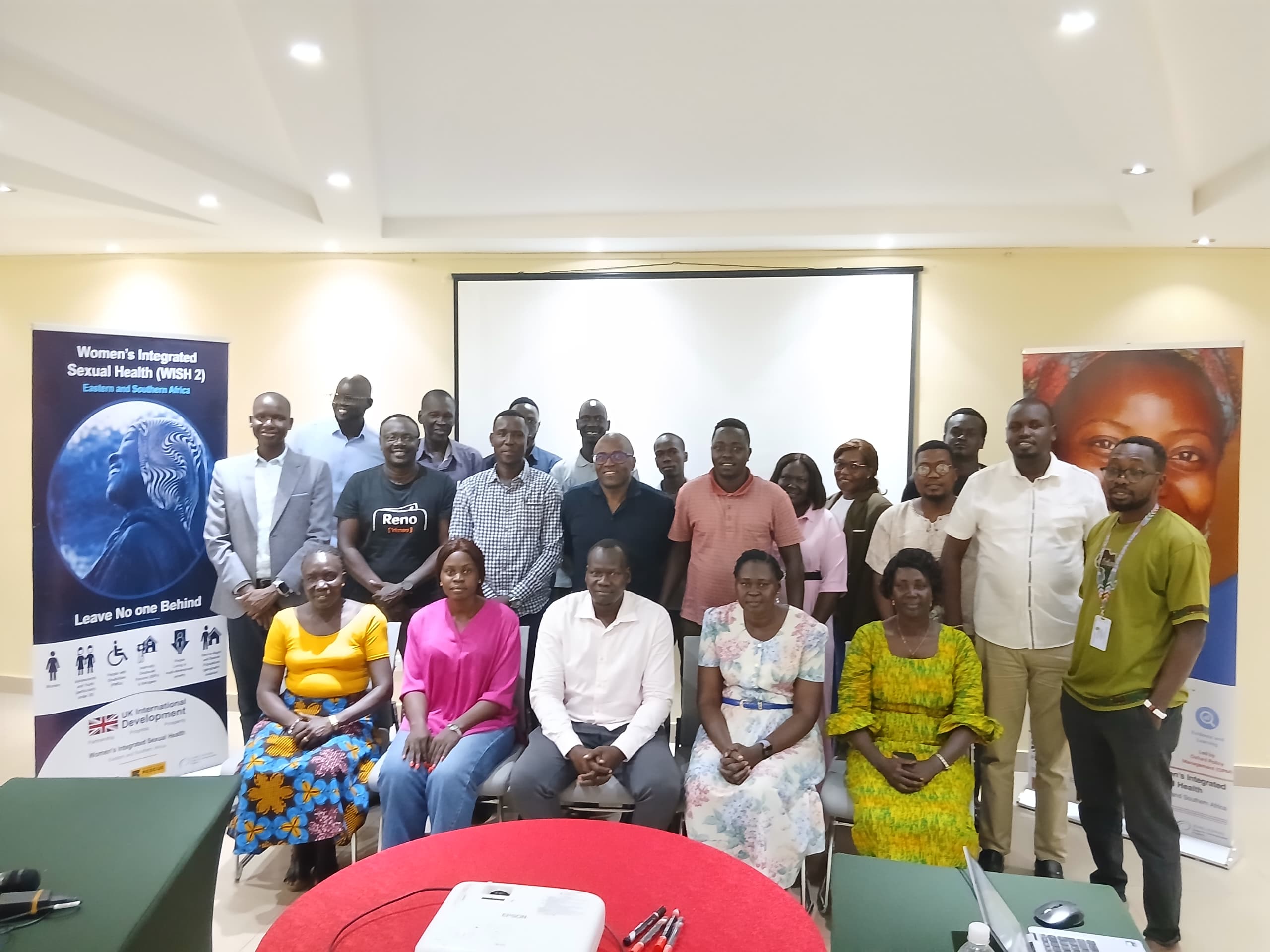
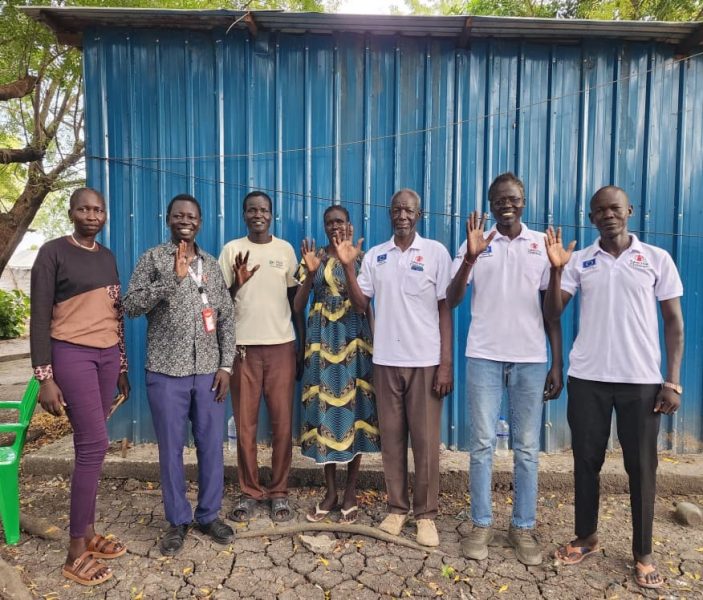
In Akobo East, Jonglei State, a quiet but powerful transformation is unfolding. In a county long defined by revenge killings, cross-border raids, and the deep wounds of inter- and intra-clan conflict, communities are beginning to stitch together a new social fabric—one woven from dialogue, forgiveness, and the collective desire for peace.
At the heart of this transformation is the European Union–funded “Building Resilient Communities” (BRC) project, implemented by Save the Children International in Akobo.
Since January 2024, the project has strengthened community systems, empowered women and youth, and nurtured local-led peace processes across Akobo with indigenous Civil Society Organization (CSO) at the forefront.
Particularly, in Akobo East –a stronghold of SPLM-IO—where peace has often hung by a thread—the project’s community-led peace dialogue component is becoming a turning point in healing old wounds.
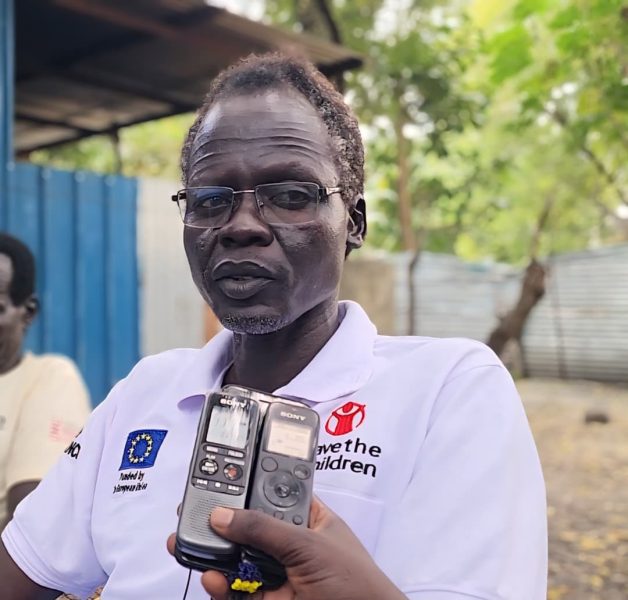
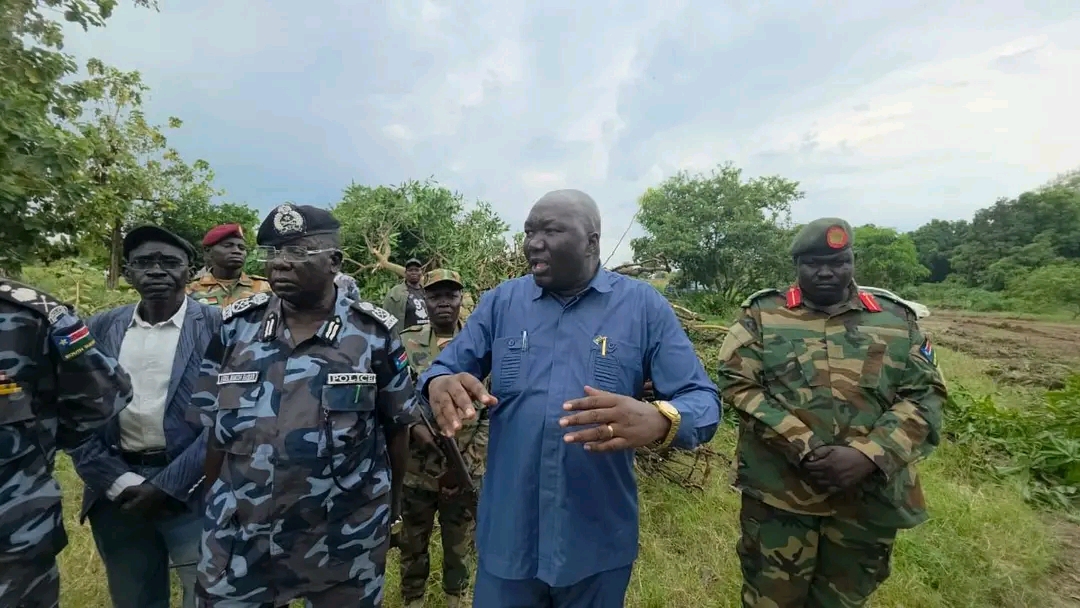
Few understand the cost of conflict more deeply than Mon Makuach Mon, Director for Peace in Akobo County. Standing on the frontlines of reconciliation efforts, he has witnessed firsthand how cycles of revenge can cripple families for decades.
“We deal mainly with revenge killing cases,” he says. “We have recorded 57 such cases in Akobo—some dating as far back as 2005.”
Before 2021, these killings were frequent. Disputes often escalated from minor disagreements to deadly confrontations. A long-standing conflict between two sub-clans—known informally as “Chiacodd” and “Chiawaugh”—resulted in the loss of more than 20 lives over time, all originating from a dispute involving a girl.
But since the formation of the county’s Peace Committee—trained and supported by Save the Children—Mon says the landscape has shifted dramatically.
“We have solved all 37 cases that occurred since the committee was formed,” he explains. “Revenge killings have significantly calmed down. The community is more peaceful today.”
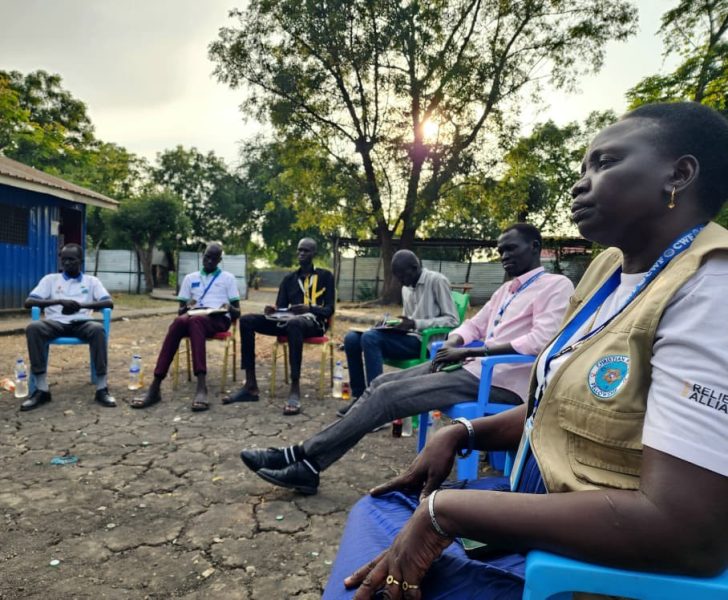
Dialogue in the Villages: Local Voices, Local Solutions
In Dengjok Payam of Akobo County, Community Action on Agriculture and Sustainability Organization (CAASO) is using the same dialogue-based approach to mend relations between historically divided clans.
With EU support, CAASO has mediated peace agreements between Chie-Ndakiar and Chie-Ndianyang, previously hostile neighbors. The organization’s coordinator, Mantuom Chuol, recalls how the two groups once deeply mistrustful of one another now move and mingle peacefully in their shared community.
Beyond reconciliation, CAASO is strengthening village governance structures through training on gender inclusiveness, conflict sensitivity, and natural resource management.
“Our biggest challenges are recurring revenge killings and mobility issues,” Mantuom says. “Youth migrate seasonally to cattle camps—even into Ethiopia—making it difficult to intervene early.”
Peace, Trauma Healing, and the Complex Roots of Violence
In Bilkey Payam, the Urban Intervention for Children Organization (UICO) team—led by Field Coordinator Tutmet Jok combines peace dialogues with psychosocial support and trauma awareness.
“Instability increases during the dry season,” Tutmet explains. “We border Ethiopia and Greater Pibor, which brings frequent cattle raids and abductions. This disrupts peace building activities.”
UICO has trained youth, church leaders, and chiefs to track, analyze, and mitigate conflict. They have also promoted natural resource management to reduce disputes triggered by competition over water and grazing land.
For her part, Nyakong Pul, a Peace Committee member in Akobo, peace building begins with the smallest conflicts—especially those affecting women and girls.
“When women quarrel at water points, I intervene with peace words,” she says. “Our role is to prevent women from entering conflicts.”
But the Committee’s impact extends far beyond small disputes. It has pioneered a system where the entire community mobilizes after a death. Neighbors visit the victim’s family, offer condolences, encourage forgiveness, and report the case to local authorities.
The government and the committee then facilitate blood compensation, a culturally accepted step in reconciliation. This communal approach has helped Akobo achieve nearly two years without a revenge killing—an extraordinary achievement.
“The only recent killing was by someone who had just returned from Ethiopia,” Nyakong says. “We are working to resolve it before the month ends.”
For Tut Dutmot, Program Coordinator for the Gender Engagement Call (GEC), restorative justice is central to sustaining peace.
Through Save the Children’s sub-grant, GEC has facilitated multiple peace dialogues rooted in Nuer traditions, including: The 2024 Chindu–Chiankon Dialogue; A celebratory gunshot tragically killed two elderly people.
After a two-day dialogue in December 2024, the perpetrator’s clan accepted responsibility and the victims forgave them. Compensation was arranged, and both sides reconciled.
Secondly the Chiempei–Chientiang Dialogue (July 2025): After 19 deaths since 2006 and failed compensation attempts, the two sides agreed to complete cultural rituals—including the “cow of comfort” and the Tol Choker ceremony—finally ending the cycle of revenge.
Thirdly the Manquat–Chingbol Dialogue (July 2025):A conflict from 2016 had claimed 29 lives. Though earlier dialogues were held, unresolved cultural rituals reopened old wounds.
In 2025, the communities reunited, exchanged 10 cows, and committed to completing the sealing rituals before this month ends.
“These rituals—Tol Choker, Gez Choker, the cow of comfort—are central to peace,” Tut says. “Localization helps because we, as indigenous organizations, know this context deeply.”
Despite progress, the challenges remain complex: Nearly every sub-clan has unresolved conflict.
Meanwhile cross-border attacks with the neighboring Murle community persist. A recent attack in August resulted in serious injuries and communities in Nyandit Payam urgently request a regional cross-border peace dialogue.
A Future Emerging From Forgiveness
Across Akobo East, the EU-funded BRC project is nurturing a new culture—one where accountability blends with restorative justice, and where communities choose dialogue over revenge.
From youth and women’s groups to chiefs and church leaders, local actors are now equipped with the knowledge, tools, and confidence to mediate their own conflicts.
And as Nyakong puts it: “Forgiveness is the best way to manage conflict. When peace comes from the community itself, it lasts.”
In a county that once counted revenge killings by the dozens, that message signals a powerful shift—not just toward peace, but toward resilience, healing, and hope.