Frontline health workers in Unity State are raising the alarm over the growing risks to women and girls as floods, displacement, and funding shortfalls threaten access to critical health and protection services.
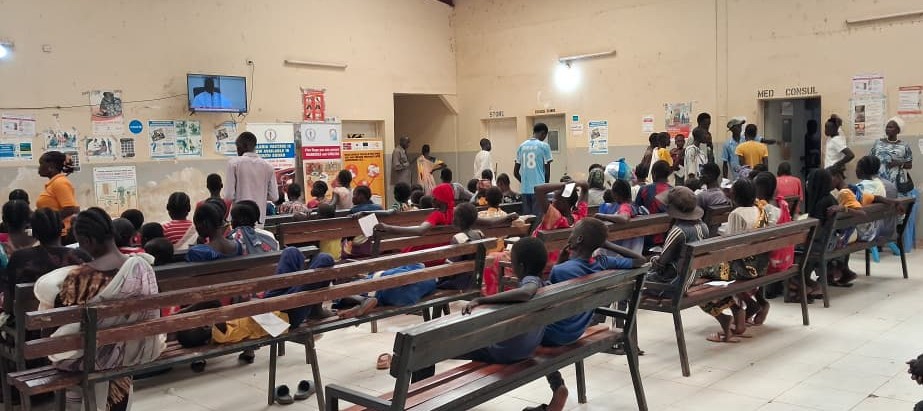
Thousands of women rely on sexual and reproductive health (SRH) and gender-based violence (GBV) services supported by Cordaid and UNFPA, but access remains limited in remote and flood-affected areas.
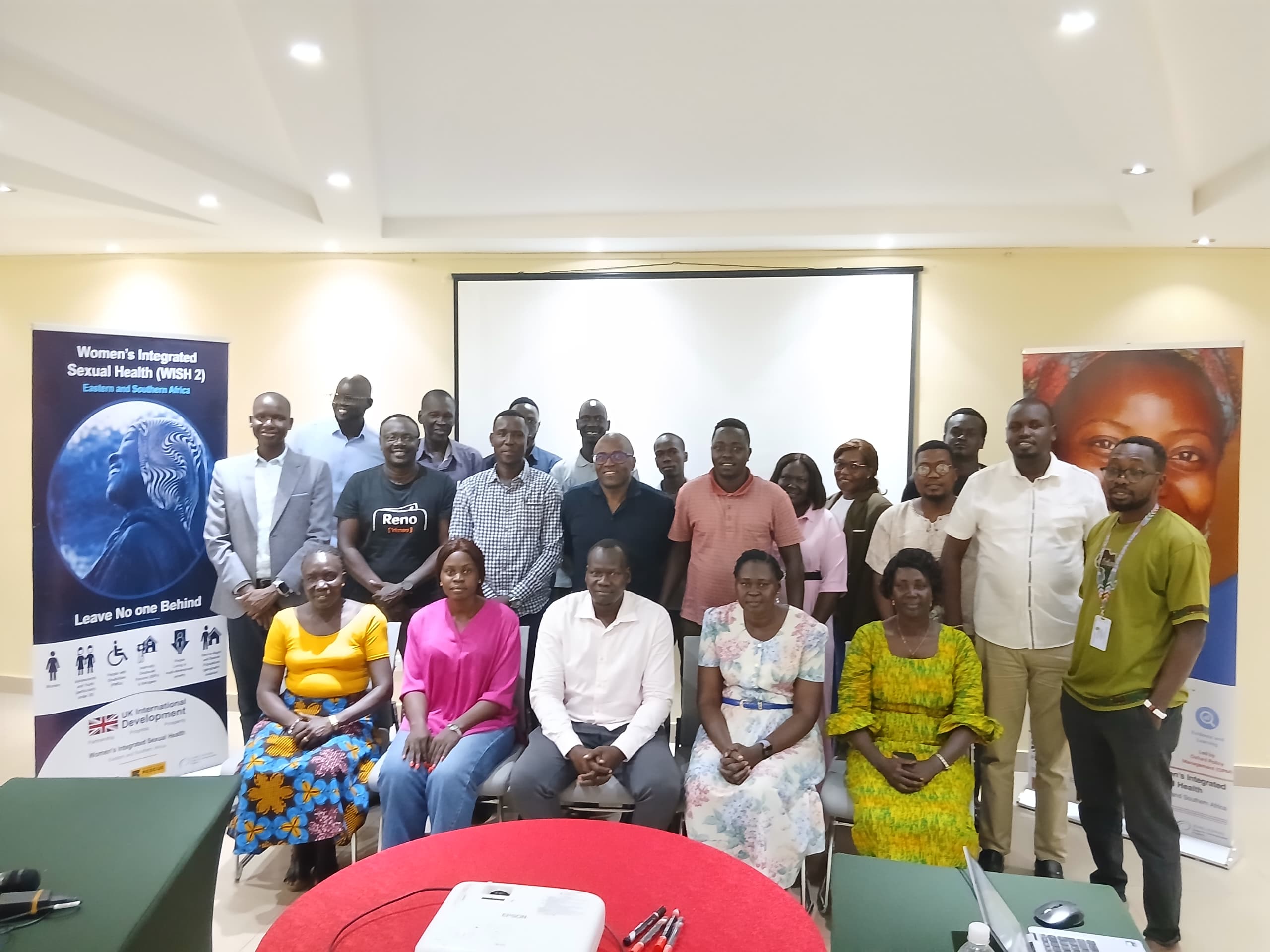
Dr. Anwar Zacharia-Marjan, Cordaid’s Area Manager for Unity State who oversees SRH, GBV, and UNFPA-supported programs across all counties, emphasized the critical role frontline workers play in safeguarding women’s lives.
“We are the frontline for women and girls. Our work covers 16 health facilities, Women & Girls Friendly Spaces, and emergency referrals. Without urgent support, women’s lives remain at risk,” Dr. Anwar said.
Gatluak Gwong Jiel, Head of Midwives and Nurses at Bentiu State Hospital, highlighted the challenges of providing safe deliveries in both urban and remote areas.
“Even when mothers travel long distances, we ensure quality care and coordinate with specialists for complications. But flooding and limited resources make timely interventions extremely difficult,” he said.
Claire Nakalimo, SRHR Officer at Cordaid, stressed the importance of linking health services and GBV support to deliver effective care.
“GBV is directly related to health. Survivors need coordinated services across health, protection, psychosocial, and legal sectors to ensure healing without interruption,” Nakalimo explained.
Floods and displacement have left women and girls increasingly vulnerable to violence.
Funding cuts have forced the closure of some health facilities, delaying life-saving interventions such as emergency contraception and post-exposure prophylaxis (PEP).
Cultural norms also create dangerous delays in care.
Nakalimo recounted cases where male relatives withheld consent for urgent procedures.
“A mother was bleeding heavily and needed surgery, but her father refused consent, citing dowry payments. By the time approval was granted, her condition worsened dangerously,” she said.
Cordaid works to engage men and communities to promote equality and prevent GBV.
“Men need to understand that women can participate in family, community, and political decisions. Equal rights save lives,” Nakalimo added.
Frontline workers are calling for urgent, coordinated action, including strengthened referral pathways, increased funding, and expanded outreach services to protect women and girls in flood-affected and displaced communities.
“With continued support from UNFPA and Cordaid, women can make decisions about their lives and health. This benefits families, communities, and the state,” Nakalimo concluded.
Despite worsening crises, Dr. Anwar, Nakalimo, Gatluak, and their teams continue providing dignified, timely, and comprehensive care, ensuring survivors are not left to suffer in silence.