Coalition of Other Political Parties (OPP) has identified lack of political will, funding gaps, and breakdown in cohesion among signatories as the primary factors paralyzing the implementation of the Revitalized Agreement on the Resolution of the Conflict in the Republic of South Sudan (R-ARCSS).
The R-ARCSS signed on September 12, 2018, in Addis Ababa, established the Transitional Government of National Unity (R-TGoNU), tasked with unifying forces, drafting permanent constitution, and guiding the country toward democratic elections.
However, its implementation has been marred by delays. Critical benchmarks, particularly the graduation and deployment of the Unified Forces and the constitution-making process, have repeatedly missed deadlines.
The transitional period has been extended multiple times, most recently pushing elections from late 2024 to late 2026. With less than a year left, several targets have not been met, further frustrating stakeholders and the international community.
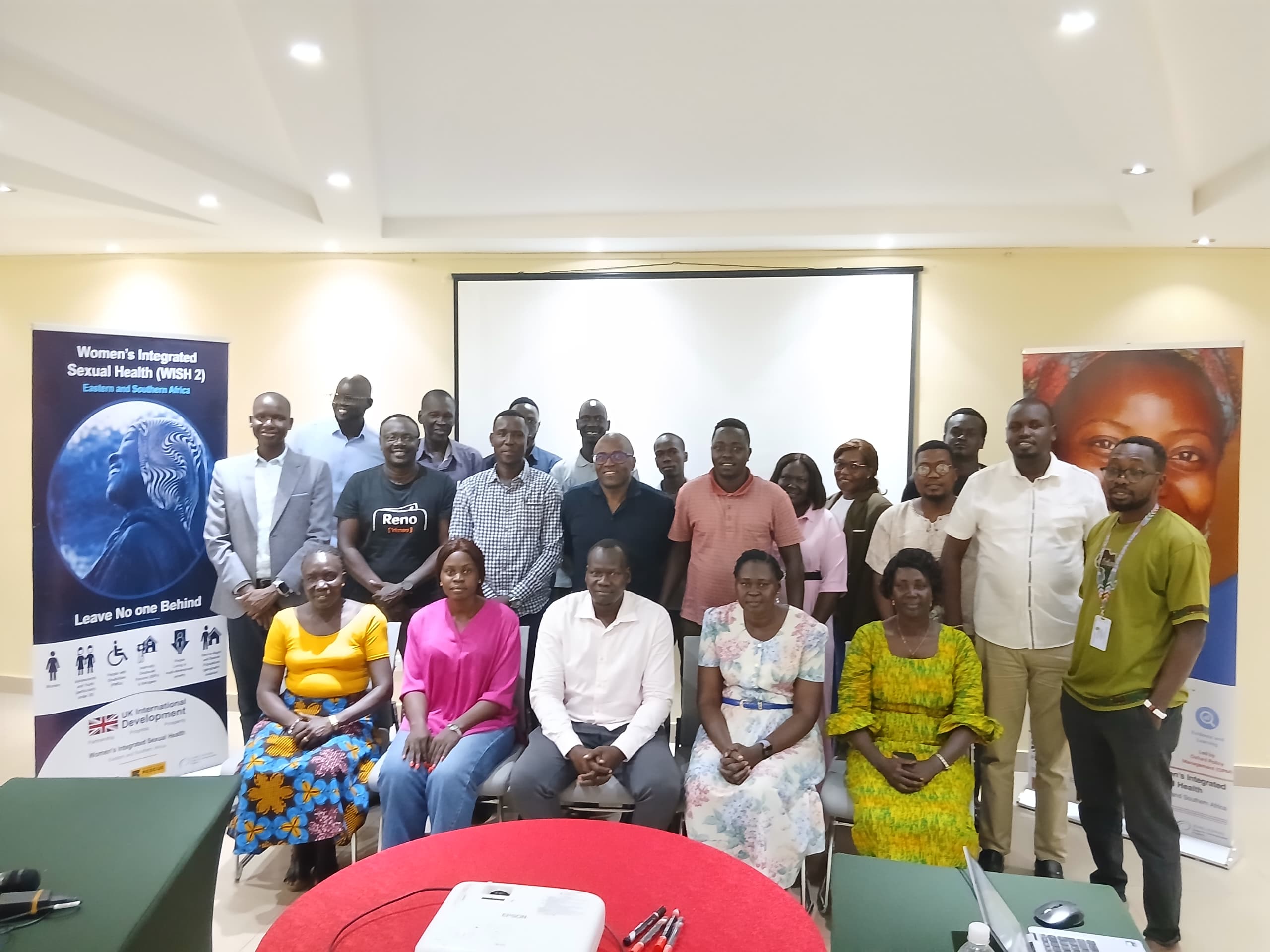
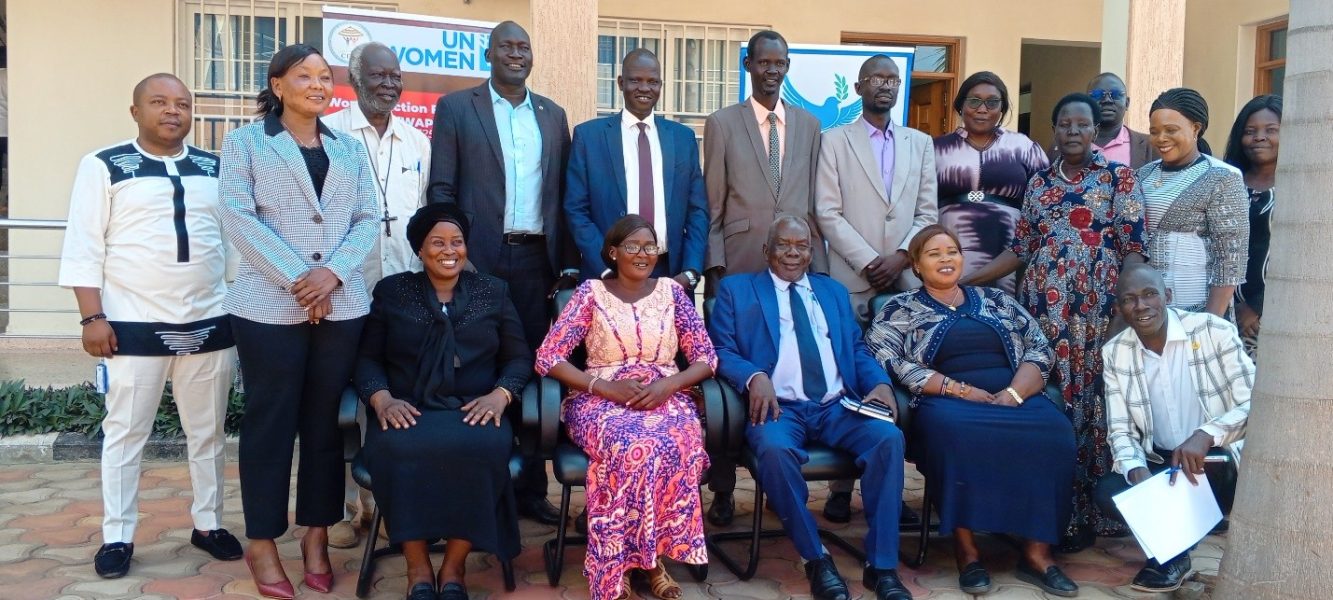
During a Consultative Dialogue on Thursday, organized by the Community Empowerment for Progress Organization (CEPO), OPP members outlined that the failure to fully implement Chapter 2 of the agreement, specifically the unification of forces, was a result of a lack of political will.
OPPmembers also cited lack of political space, blaming the ruling SPLM-IG for dominating the political landscape and denying other parties the opportunity to exercise their agendas.
They mentioned unilateral reshuffling of political post-holders without consultation as a ‘grave violation’ of the power-sharing protocols.
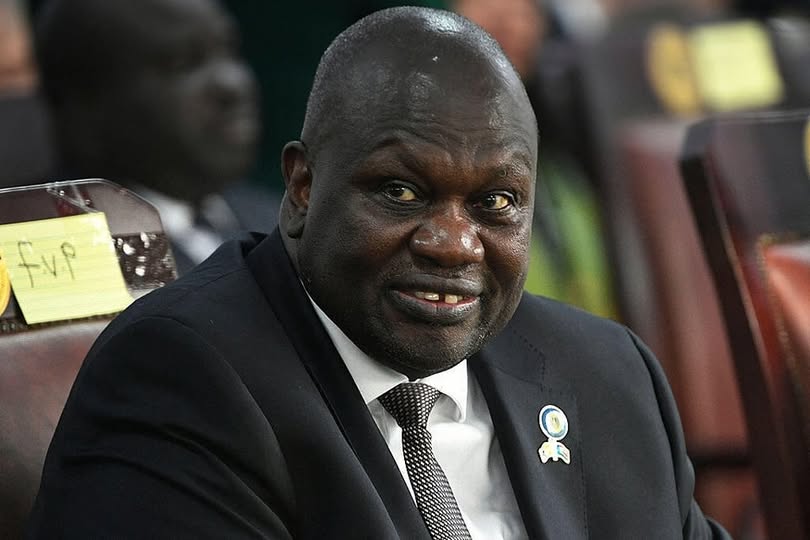
Participants further pointed to the movement restrictions and ‘detention’ of First Vice President Dr. Riek Machar, questioning how the agreement can be implemented when key signatories are not free.
They also stated thatlack of dissemination of the peace agreement’s text to the general public and a failure to conduct necessary reconciliation and healing programs were part of the factors leading to the stalemate.
Speaking after the consultation, Wilson Lodiong, Chairperson of Specialized Committee of Wildlife Conservation and Tourism in the National Legislative Assembly and an OPP member, emphasized that rebuilding trust is the only path forward.
“We have deliberated on issues that really bring stability to this country. We need to diagnose the causes of what is the problem and once we get those causes of those problems, we shall answer it, and we shall move forward,” he said.
“The international community will come and find out that South Sudanese have already brought peace without any complaint from anyone. We are going to work for peace for our people so that we enjoy the peace that we are really yearning for.”
Lodion expressed gratitude for the dialogue process. “Let us talk frankly, openly, and with the truth. I don’t want us to just talk while there is no peace in the heart.”
For her part, Dr. Siham Osman, team leader for the South Sudan Women Mediators, explained that the group comprises women from various political parties and stakeholders dedicated to breaking the deadlock.
“We met with the OPP to dialogue and identify the root causes of this political stalemate,” Dr. Osman stated.
“It was a successful dialogue where we discussed many issues and proposed different solutions. This is not the end; the dialogue will continue until we reach real peace for the country.”
The ongoing consultation is part of a South Sudanese-led effort spearheaded by CEPO to rescue the peace process.
Similar consultations with other key signatories, including the Sudan People’s Liberation Movement-in-Government (SPLM-IG), the Sudan People’s Liberation Movement-in-Opposition (SPLM-IO), and the South Sudan Opposition Alliance (SSOA) have already been concluded.
After these consultations, all parties are expected to converge for a General Stakeholder Dialogue to be led by religious leaders, scheduled for December 1–5 in Juba.