
As South Sudan joins global commemoration of the 16 Days of Activism against Gender-Based Violence, rights groups are sounding the alarm over the escalating threat of digital violence targeting women and girls in the country.
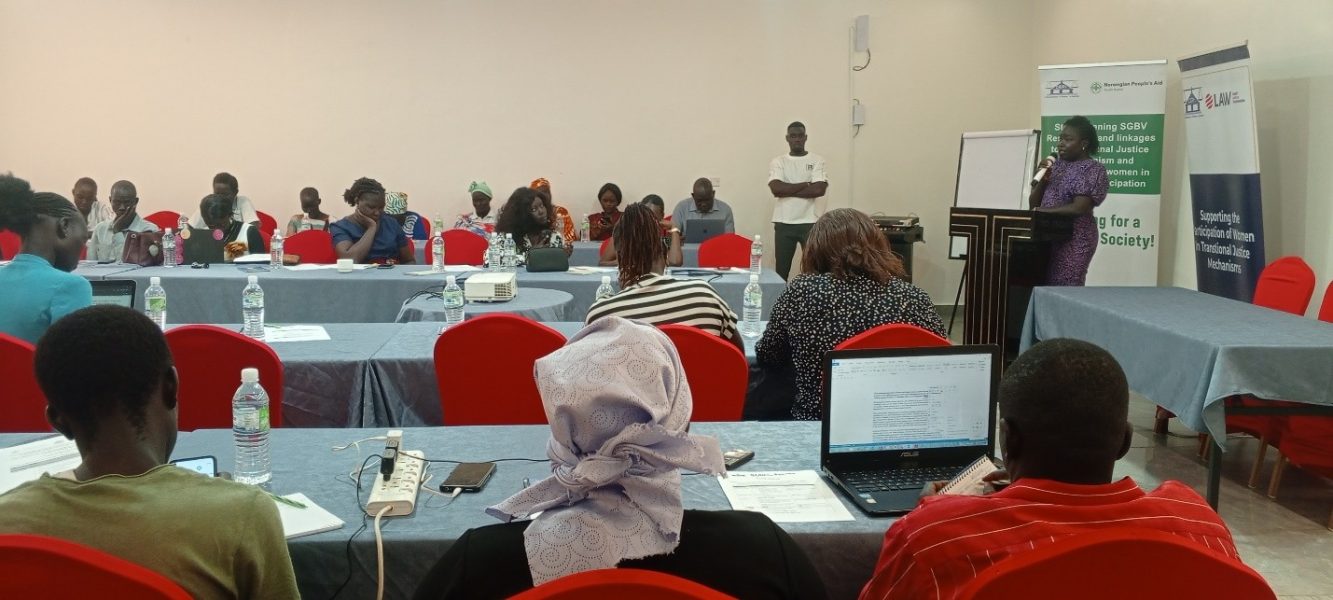
The call was made during a high-level dialogue convened by the Centre for Inclusive Governance, Peace, and Justice (CIGPJ) on Friday, November 28, 2025, where activists, lawmakers, and civil society members gathered to address the growing toxicity of online spaces.
Nunu Diana Alison, Program Officer for CIGPJ, highlighted that while physical violence remains a challenge, the digital world has become a new frontier for abuse.
She pointed to a disturbing trend of non-consensual sharing of intimate photos, body shaming, and coordinated attacks by anti-feminist groups on social media.
“If you see recent digital platforms speaking about women, and even sharing pictures without consent… ..you realize that women and girls in South Sudan still face digital violence, yet even offline violence exists,” Nunu stated.
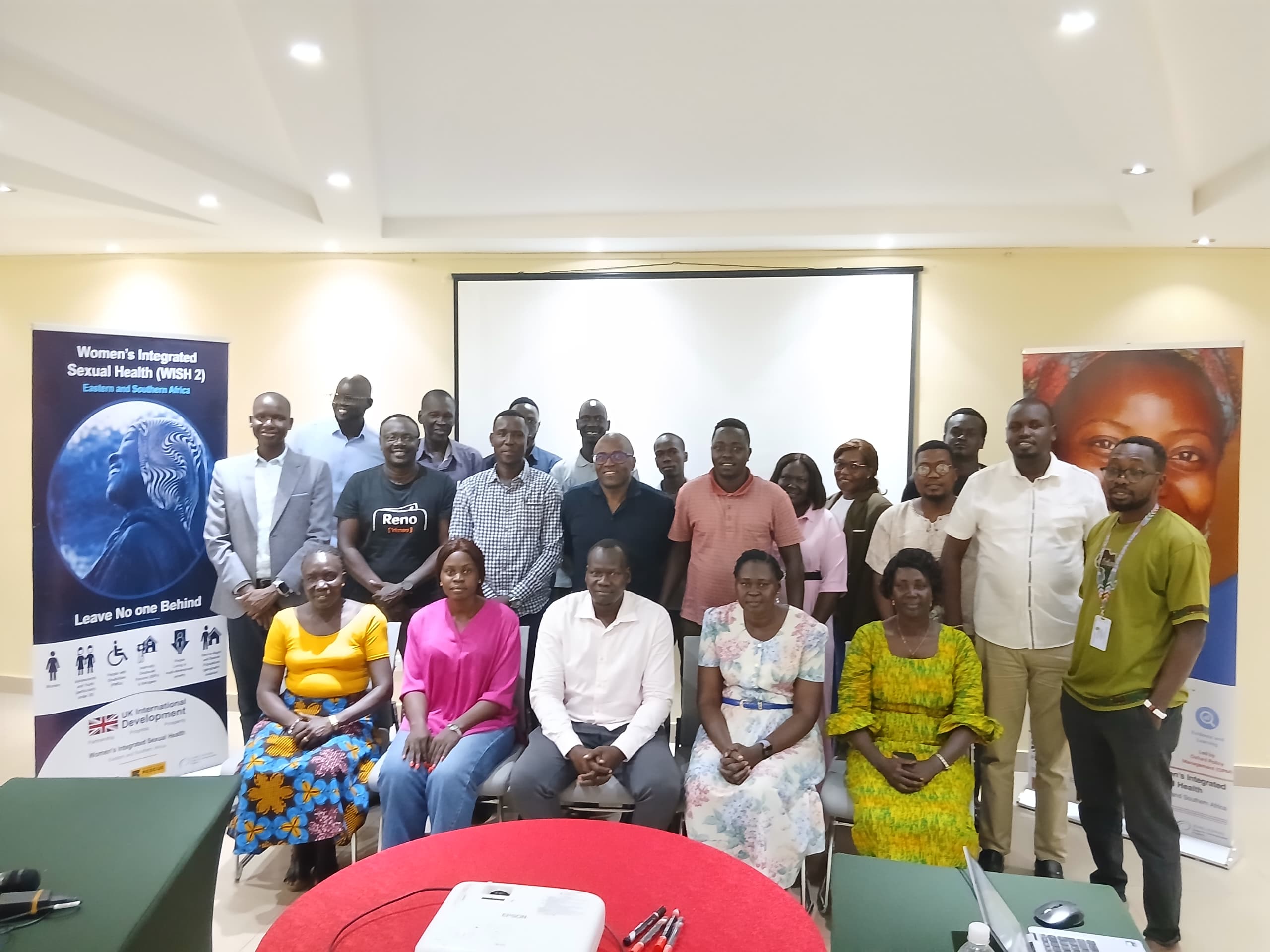
The session, which gathered 60 participants ranging from Members of Parliament to residents of Protection of Civilians (POC) sites, also touched on the recently passed Cybercrimes Bill.
While acknowledging the passing of the Bill, she voiced concerns shared by the Human Rights Defenders Network regarding the potential shrinking of civic space.
“We are raising concerns, whether this bill that was passed recently by parliament will not further shrink what we had gotten used to as a space,” Alson said.
Nunu emphasised the need to ensure the law is not used to silence governance advocates or stifle political discourse ahead of elections.
The dialogue revealed that digital violence is not just a social pain but a psychological and economic barrier.
Emma Kwaje, Executive Director of the Banat Power Initiative, told the panel that online bullying is inflicting severe psychological trauma on young women.
She warned that with the rapid evolution of technology, the internet can become a dangerous tool if users are not educated on safety.
Participants shared personal testimonies of cyberbullying that led to a loss of self-esteem and backlash when women attempted to discuss political representation online.
Nunu also noted that offline violence, such as the recent incident in Sherikat, is often filmed and shared online, re-traumatising victims and deterring women from participating in public life.
The session further covered the rise of online scams and hacking, where fraudsters target women and youth to extort money.
Despite the risks, CIGPJ emphasized that women must not abandon digital spaces.
The training covered safe online messaging and strategies for women to use platforms to promote businesses and amplify their voices on governance and security issues.
It was supported by the Norwegian People’s Aid (NPA). A representative of NPA, who was only identified as Nancy, urged civil society and the media to move beyond discussion and toward advocacy.
“Now that you have this knowledge, we must push for the legislation to protect women,” she urged.
The 16 Days of Activism is an annual international campaign that kicks off on 25 November, the International Day for the Elimination of Violence against Women, and runs until 10 December, Human Rights Day.
The event this year is celebrated under the theme, “Ending Digital Violence Against Women and Girls.”