Civil society activists have issued a strong warning to political leaders and parties in South Sudan against attempting to manipulate the ongoing South Sudanese-to-South Sudanese dialogue, emphasizing that such actions could undermine the peace process and harm ordinary citizens.
The warning comes amid growing concerns over political splits and internal power struggles within parties that are signatories to the 2018 peace agreement.
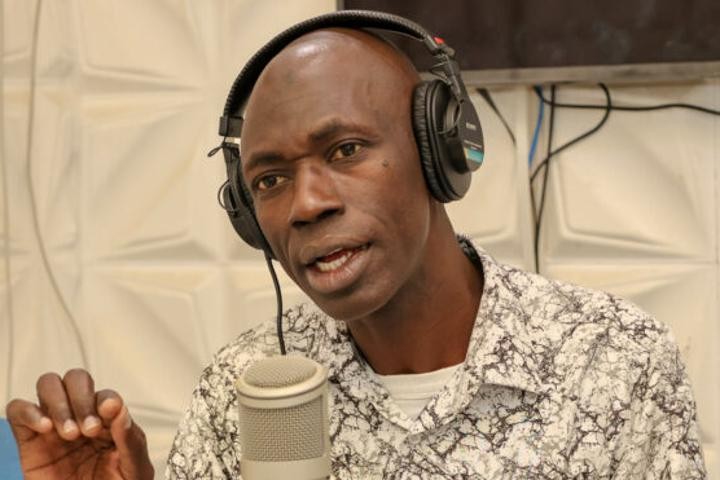
According to Edmond Yakani, Executive Director of the CEPO, some of these splits have been deliberately exploited by certain political actors to weaken the implementation of the peace agreement and derail reconciliation efforts.
“Some actors are sponsoring internal divisions within parties, attempting to manipulate the dialogue to serve personal or factional interests,” Yakani said.
“We urge all politicians to abstain from such actions and allow the process to move forward constructively.”
The activists stressed that attempts to manipulate the dialogue through spreading misinformation, influencing public opinion, or exploiting internal party conflicts pose a direct threat to the credibility and effectiveness of the peace process.
They noted that such behavior prolongs the suffering of South Sudanese citizens, who continue to bear the brunt of political conflicts.
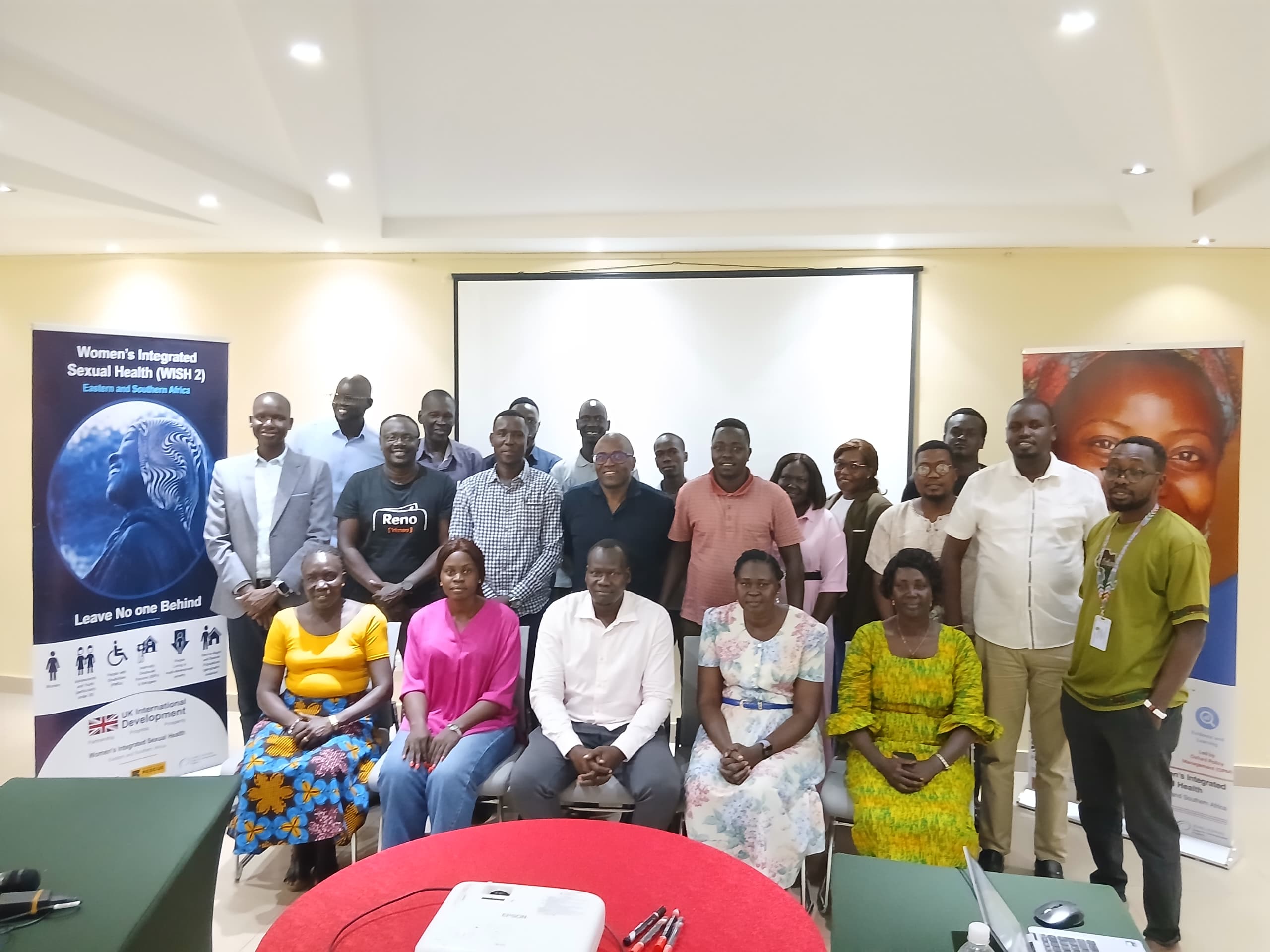
CEPO and other stakeholders, working alongside South Sudanese women mediators, are facilitating the dialogue to resolve political differences, rebuild trust among parties, and accelerate the implementation of the 2018 peace agreement.
The activists made it clear that only legitimate signatories to the agreement will be recognized in the dialogue process.
“We are closely monitoring actions that threaten this dialogue. Those attempting to sabotage the process will be publicly identified,” Yakani warned.
“Political leaders must respect the platform provided for dialogue and ensure that internal disagreements remain within their parties, rather than affecting national reconciliation efforts.”
The activists urged all political actors to take responsibility, prioritize national interests, and embrace dialogue to strengthen peace and stability in South Sudan.