Across Africa, foreign-mediated peace agreements have become the default solution for conflicts. Leaders often turn to the AU, UN, IGAD, or powerful donor nations to broker deals, believing that external endorsement gives legitimacy and political cover. International actors can pressure warring parties to sign and comply, a task that weak local institutions or politically divided leadership often fail to achieve.
Financial incentives further reinforce this reliance. Foreign-backed peace processes often come with reconstruction funds, humanitarian aid, and development resources. Leaders sometimes prioritize these agreements not necessarily for local benefit, but because they deliver tangible resources. Weak local institutions, elite distrust, and perceived ethnic biases also push leaders to seek outside mediation. When local courts, councils, or parliaments are seen as ineffective or partial, foreign mediators are considered the safer, more neutral option.
Geopolitics adds another layer. Some foreign powers benefit strategically from ongoing conflicts, using mediation to maintain influence, secure resources, or align allies. As a result, African nations frequently cede control of the peace process to outsiders, leaving local communities with agreements that may not reflect their realities or aspirations.
South Sudan, however, cannot afford to remain dependent on foreign mediation. True, lasting peace must be home-grown. When peace emerges from local communities, it is owned, protected, and defended by the people themselves. South Sudanese traditions of reconciliation such as the Wunlit Conference, clan mediation, and cattle compensation offer culturally rooted methods focused on forgiveness, truth-telling, and coexistence, not just paper agreements.
Local, inclusive processes empower citizens, hold leaders accountable, and address the root causes of conflict: land disputes, cattle raids, historical grievances, marginalization, and mistrust. Home-grown peace fosters unity because it engages chiefs, youth, women, faith leaders, business actors, and local politicians in decisions that affect their communities. Unlike externally imposed deals, these solutions create a sense of shared ownership and national pride.
For South Sudan, the path forward is clear: peace must be led by its people, supported by strong local institutions, and rooted in truth, forgiveness, and justice. Foreign mediation may stop bullets temporarily, but only South Sudanese-led solutions can heal hearts and build a sustainable future. The journey to peace starts not in Addis Ababa, New York, or Washington, but in Juba, Bor, Wau, Rumbek, Malakal, Torit, Bentiu, Aweil, Pibor, Nasir and most importantly, in the hands of its citizens.
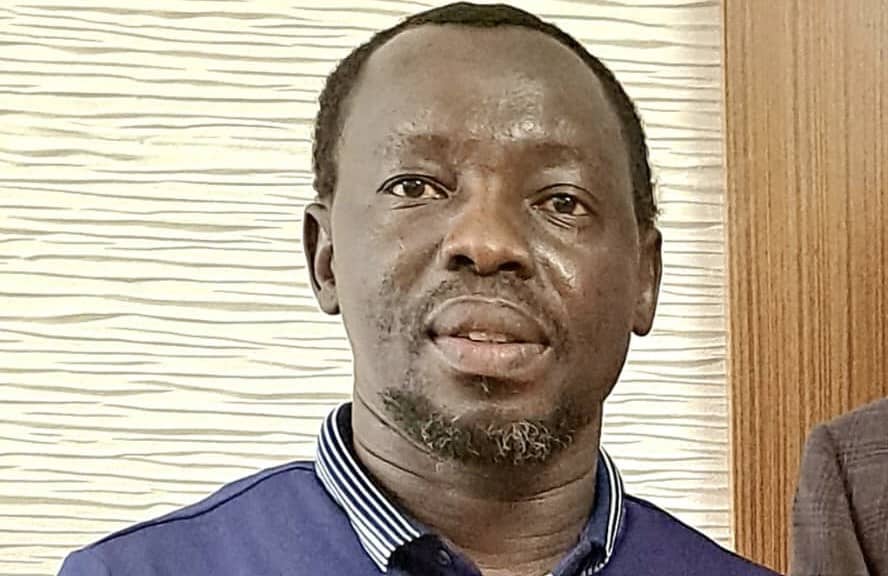
Hon. Mogga Charles Guya is Secretary of Foreign Affairs, SSNMC, Juba and the views expressed are solely those of the his (author) and do not represent SZN.