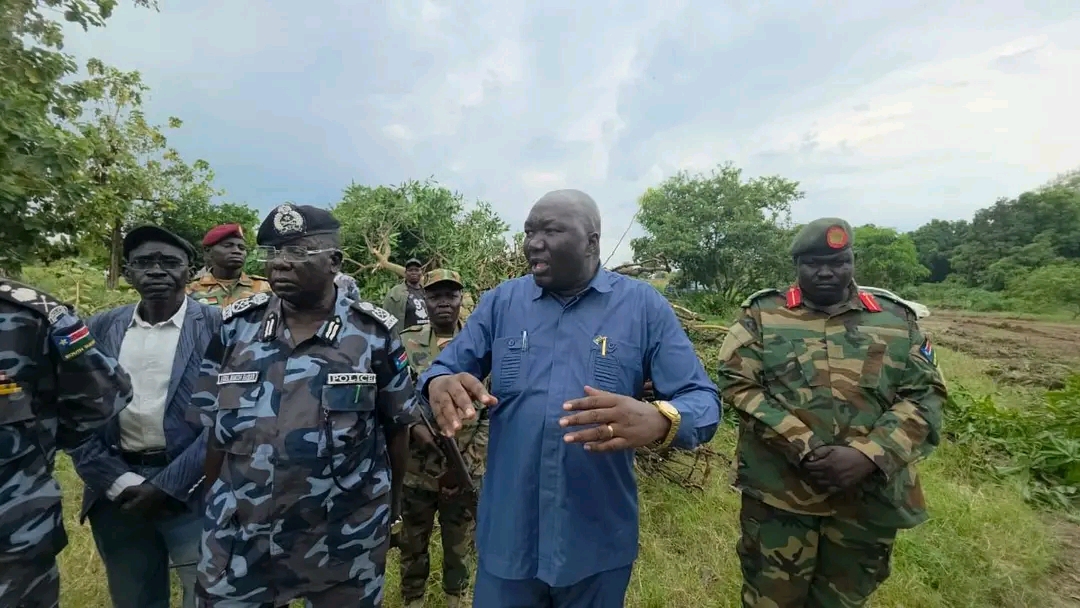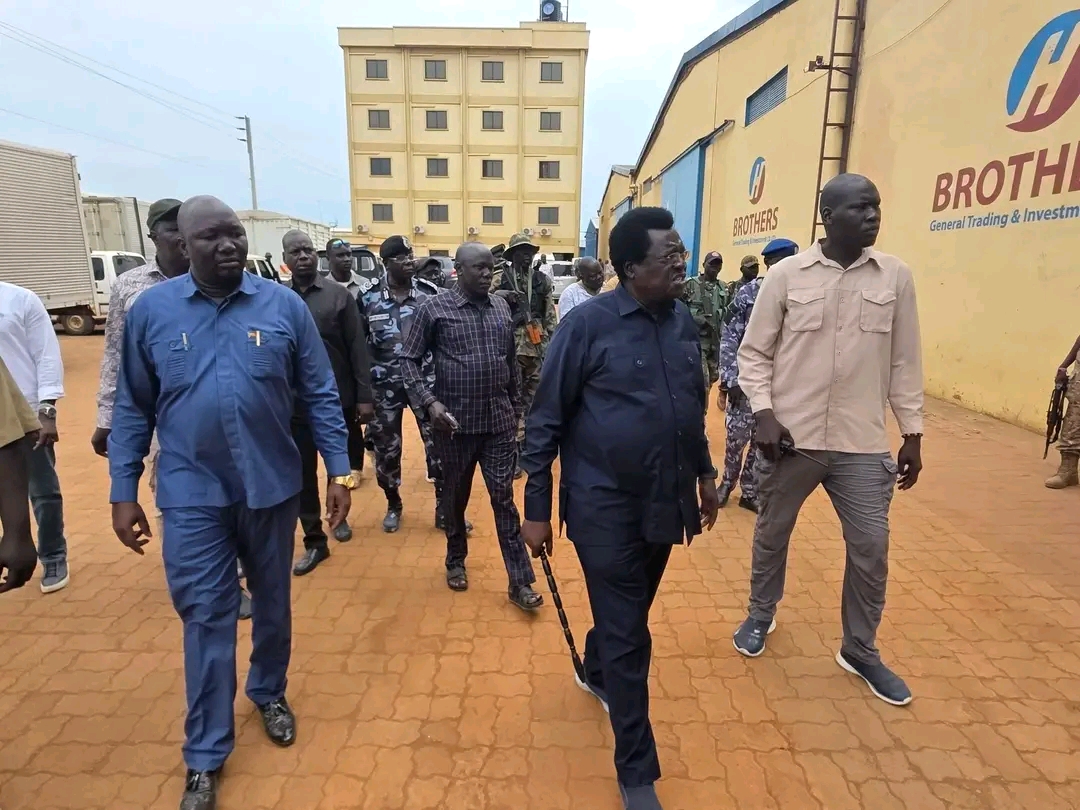
A tripartite agreement has been reached between South Sudan People’s Defence Forces (SSPDF), Sudanese Armed Forces (SAF), and Rapid Support Forces (RSF), granting the SSPDF primary security responsibility over the Heglig oilfield region (also known as Panthou).
The move comes after recent turmoil over control of the strategic facility amid intensifying conflict in neighbouring Sudan.
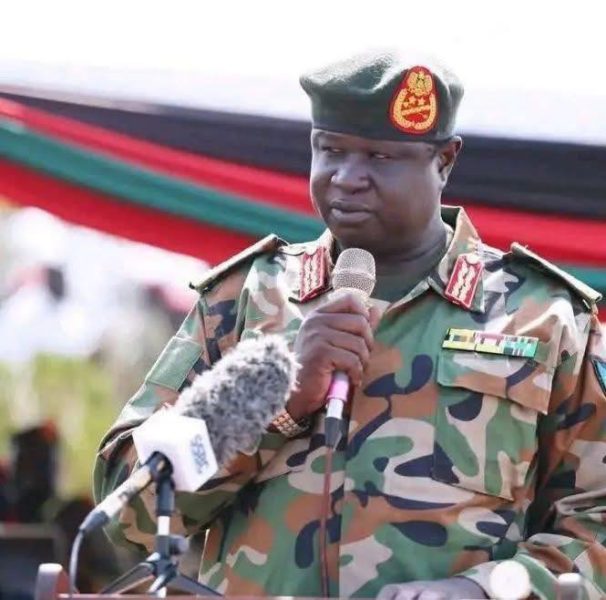
The decision was confirmed by SSPDF’s Chief of Defence Forces, Paul Nang Majok, who said the agreement is part of broader efforts to stabilize the region and protect critical infrastructure, especially vital oil installations that are central to South Sudan’s economy.
He underscored that the SSPDF is committed to safeguarding both the facility and the residents in surrounding areas.
On 8 December 2025, the RSF declared that it had seized control of the Heglig oilfield in Sudan’s South Kordofan (West Kordofan) province, after SAF troops withdrew the previous day.
According to multiple media reports, the army’s withdrawal was aimed at avoiding clashes that could have severely damaged the oil infrastructure.
Videos circulated by RSF fighters showed their forces inside the oilfield, and operating companies evacuated staff soon after the takeover.
Heglig houses dozens of oil wells and a central processing facility. It is a critical hub for crude produced in Sudan and, historically, also a main transit point for South Sudan’s oil exports, which depend on pipelines running via Sudan.
The 2025 takeover of Heglig by RSF is part of a broader conflict that erupted in April 2023, when fighting broke out between SAF and RSF across multiple fronts.
The new agreement placing security under the SSPDF aims to bring relative stability to Heglig/Panthou a region whose control has major economic and political implications, particularly for oil-dependent South Sudan.
Officials argue the arrangement will help protect oil infrastructure, reassure displaced workers, and prevent further disruption to exports.
By involving all three-armed actors SAF, RSF, and SSPDF the accord seeks to de-escalate conflict over the area, reduce risk of sabotage or further fighting, and create a managed security environment under South Sudan’s military stewardship.
SSPDF’s takeover of security responsibility may also reflect South Sudan’s strategic interest: as a land-locked oil producer reliant on Sudanese pipelines and processing sites, Juba has strong incentive to ensure Heglig remains functional and secure regardless of shifting loyalties inside Sudan’s civil war.
Since the conflict began in April 2023, Sudan’s war between SAF and RSF has devastated large parts of the country, damaged oil infrastructure, and disrupted export routes directly impacting economies of Sudan and neighbours like South Sudan.
The RSF’s recent seizure of not only Heglig but also other strategic locations including the town of Babanusa by late 2025 underscores its expanding territorial influence.
For South Sudan, the instability threatens oil revenue, state budgets, and the livelihoods of populations dependent on export earnings.
That makes the security arrangement over Heglig not just a local matter but a critical lifeline for the country’s economy.