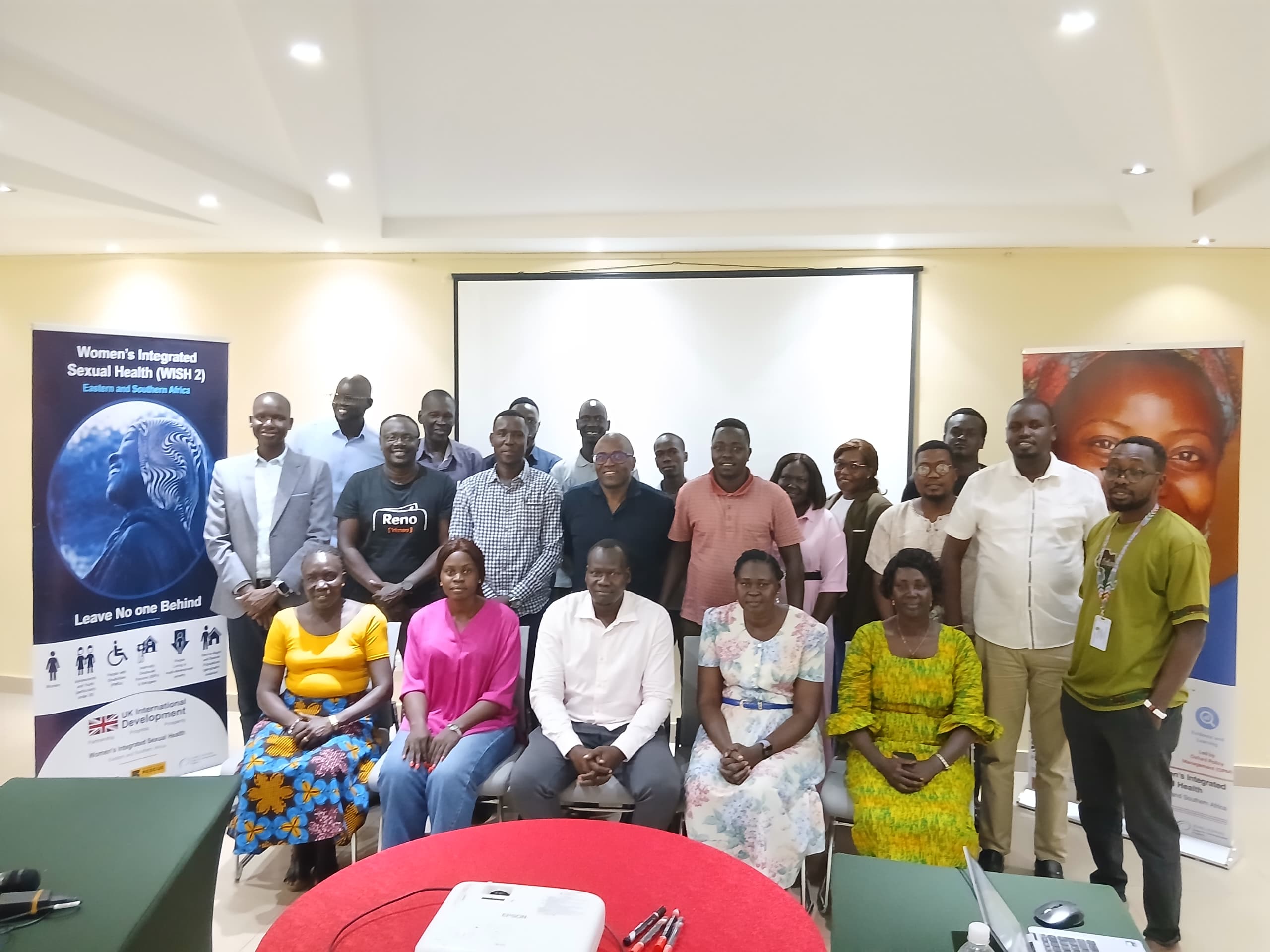
Twenty-one South Sudanese women mediators are taking a leading role in advancing the country’s peace process, ahead of a high-level political dialogue scheduled from 15–19 December 2025.
Their involvement is being recognized as a crucial step toward building an inclusive and just South Sudan.
UN Women, in partnership with the Community Empowerment for Progress Organization (CEPO) and local women’s civil society organizations, has trained, mentored, and coached these mediators in negotiation and conflict resolution.
Their efforts are strengthening the national Women, Peace, and Security (WPS) agenda while creating meaningful space for dialogue among parties to the 2018 Revitalized Agreement on the Resolution of the Conflict in South Sudan (R-ARCSS).
“The courage and leadership of South Sudanese women mediators show that peace is possible when women are at the table.
Their efforts are bridging divides and creating pathways for political dialogue,” said Delphine Serumaga, UN Women Country Representative.
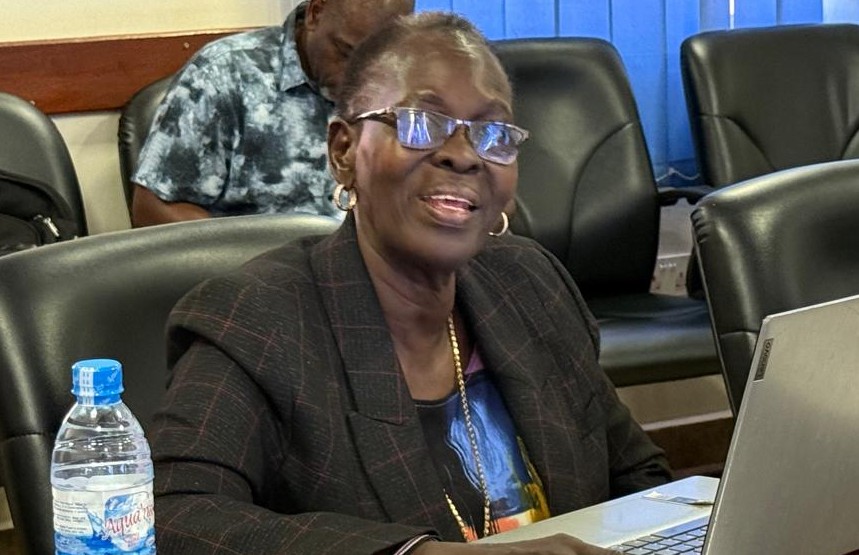
One of the trained mediators, Lidia Ruben, highlighted the importance of women’s participation: “Our efforts are yielding concrete results in the peace dialogues. With my background in protection, I know peace is vital to safeguard rights and improve the lives of the South Sudanese people.”
CEPO Executive Director Edmund Yakani emphasized the significance of women’s engagement: “The participation of these women mediators demonstrates how inclusive dialogue can move our nation forward.”
UN Women acknowledged the continued support of international partners, including the Government of Norway, the European Union, and the United Kingdom, whose efforts have prioritized women’s participation in peace and security initiatives.
Their backing, along with support from the UN International Elections Assistance Team, has helped embed gender-responsive approaches at the heart of South Sudan’s peacebuilding efforts.
As South Sudan prepares for the upcoming political dialogue, the work of these women mediators underscores the pivotal role of female leadership in fostering stability, reconciliation, and inclusive governance across the nation.