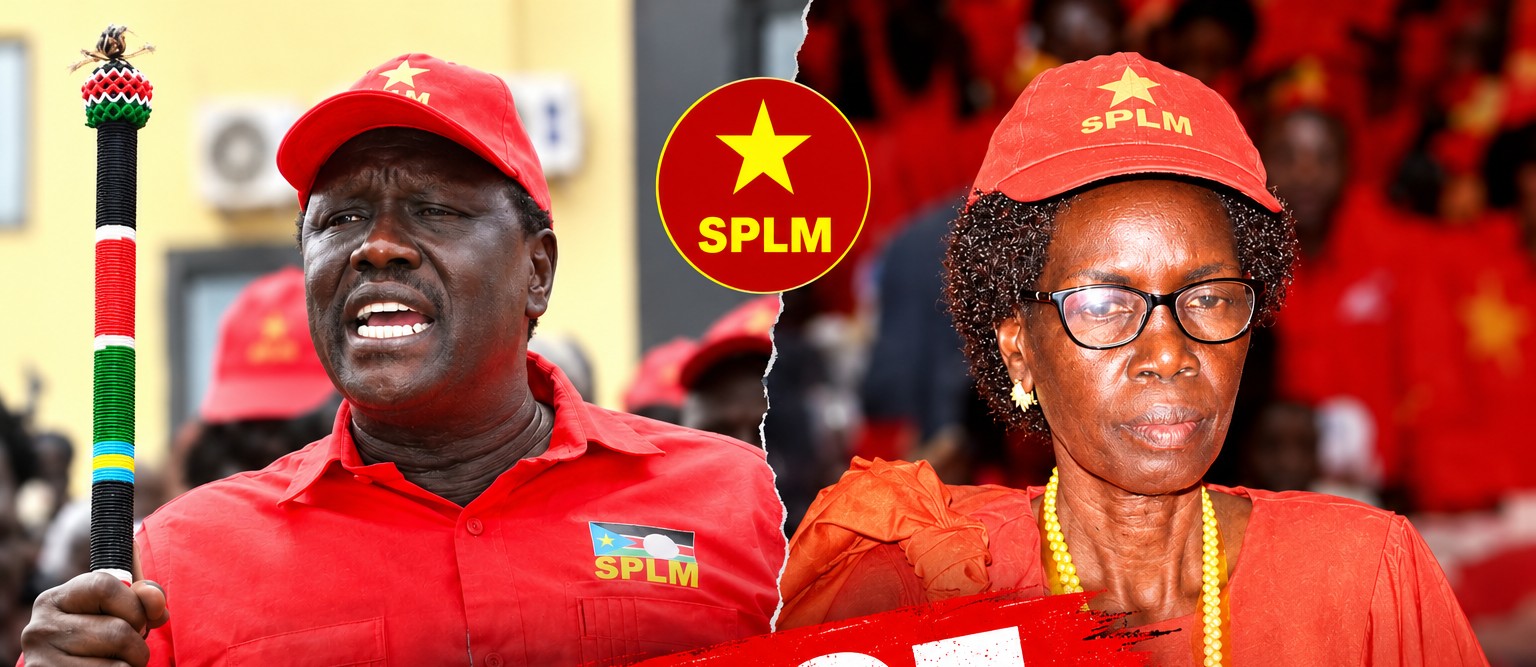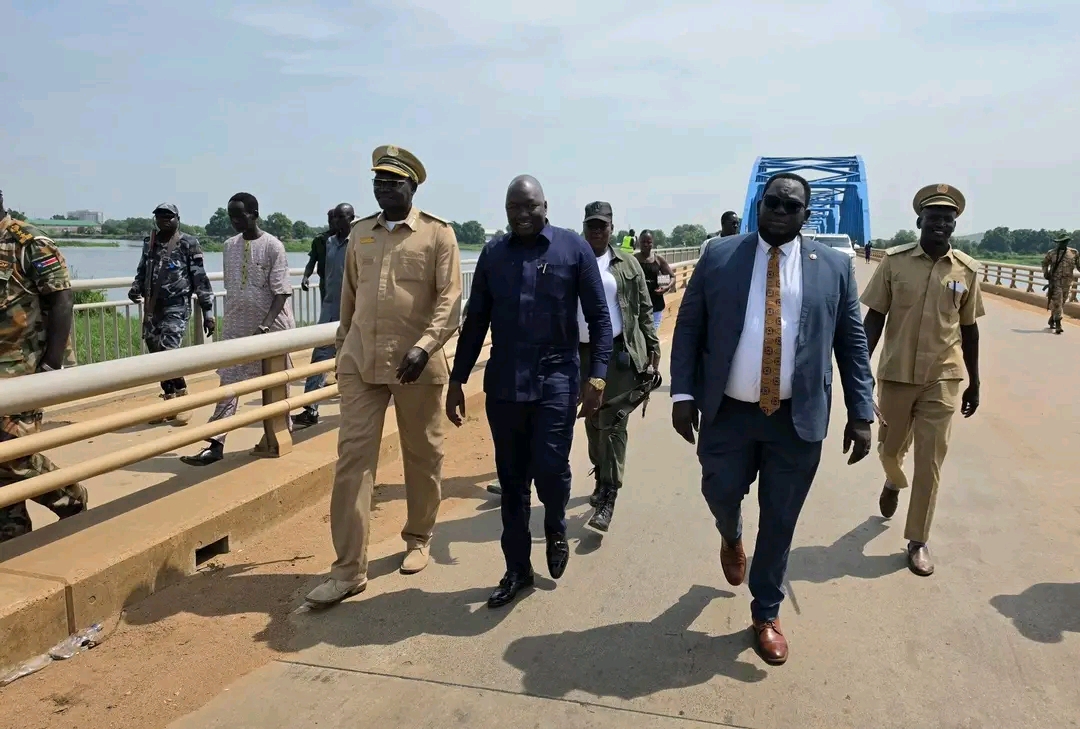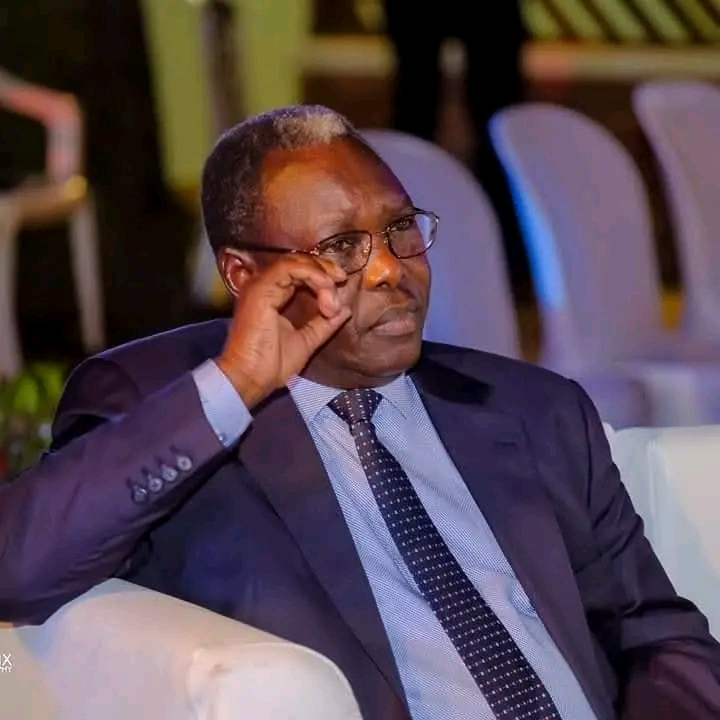
The Presidency in Juba unanimously endorsed changes to key peace agreement clauses to pave the way for elections, proceeding without Machar-led SPLM-IO.
The Juba session brought together the Presidency and allied parties but went ahead without Machar’s SPLM-IO, raising concerns over inclusivity and consensus.
According to a communiqué drafted following last week’s Presidency meeting, the leadership agreed that several provisions of the peace agreement have become major obstacles to the electoral process and require urgent revision if elections are to be conducted within the agreed timeline.
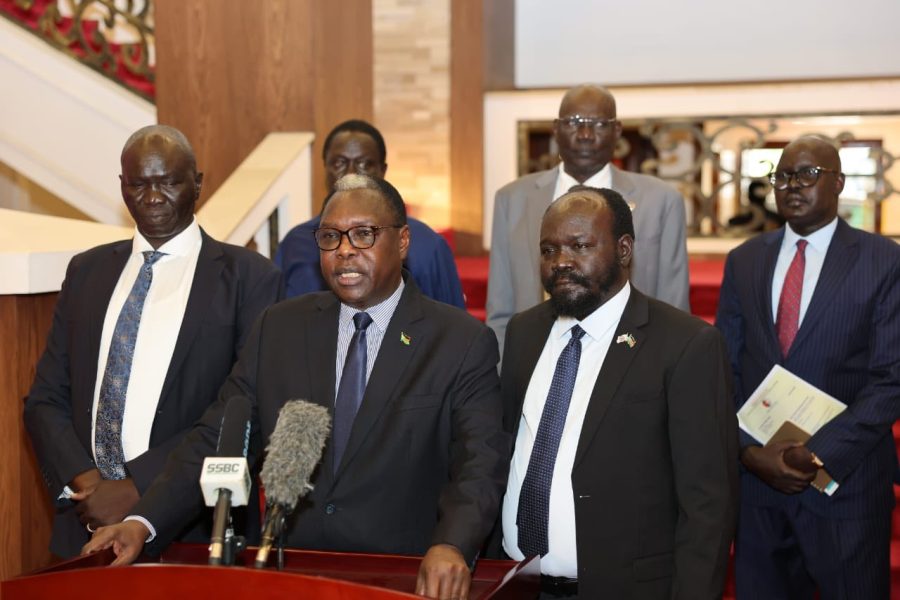
Speaking to journalists after the meeting, the Minister of Cabinet Affairs, Dr. Martin Elia Lomuro, said the Presidency had adopted the proposed amendments and resolved that they should now proceed through the established institutional mechanisms.
“The drafts will be tabled before the Council of Ministers, then submitted to the Reconstituted Joint Monitoring and Evaluation Commission (RJMEC), and thereafter presented to the National Legislative Assembly for deliberation and approval,” Dr. Lomuro explained.
He emphasized that the process would follow constitutional and legal procedures, noting that the intention of the amendments is to unlock long-standing implementation challenges that have stalled key milestones of the transitional roadmap, particularly preparations for elections.
During the meeting, the Presidency and participating political parties reaffirmed their commitment to holding national elections next year.
The group described the polls as a critical step toward restoring political legitimacy, strengthening democratic governance, and creating an enabling environment for peace, development, and economic recovery.
Officials said the proposed amendments, if endorsed by the relevant institutions, are expected to address structural gaps within the peace agreement and place the country on track toward its first democratic elections since independence.
However, the absence of Machar’s SPLM-IO at the meeting has sparked concern among some observers, who warn that unilateral changes to the peace deal could deepen political divisions and undermine confidence in the electoral process unless broader consensus is achieved.
South Sudan has repeatedly postponed elections due to delays in the implementation of the peace agreement, including disputes over security arrangements, constitutional-making, and electoral laws.
Whether the latest move will accelerate the transition or trigger further political tensions remains to be seen as the proposed amendments advance through the approval process.