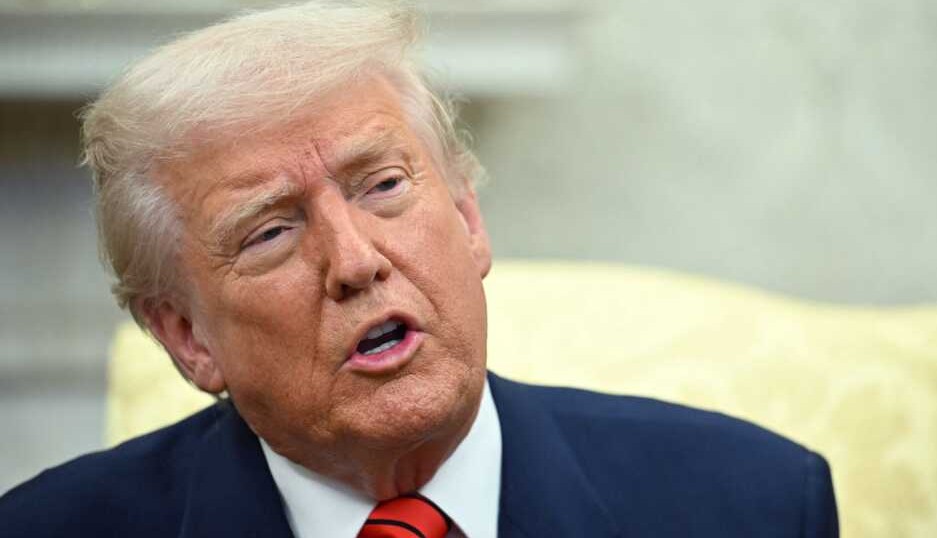
South Sudan has been placed under a full travel ban to the United States following a sweeping decision by the administration of President Donald J. Trump to expand U.S. travel and entry restrictions on foreign nationals from dozens of countries worldwide.
Under a new Proclamation signed by President Trump on Monday, South Sudan is among 12 African countries subjected to total entry restrictions, as the United States expands its travel ban list from 19 to 39 countries.
The new measures are scheduled to take effect on 1 January 2026.
The White House said the decision was driven by national security and public safety concerns, citing persistent deficiencies in screening and vetting systems, weak civil documentation, and limited information-sharing cooperation with U.S. authorities.
Africa emerged as the most affected region under the expanded policy, with several countries facing either full bans or partial travel restrictions.
South Sudan joins 16 other nations whose citizens will face broad limitations on entering the United States, including for tourism, study, and other non-immigrant travel categories.
According to the Proclamation, the decision followed a comprehensive interagency review involving the Departments of Homeland Security, State, and Justice, as well as U.S. intelligence agencies.
U.S. officials pointed to visa overstay rates as a key factor in South Sudan’s inclusion on the full ban list.
Data from the Department of Homeland Security’s Overstay Report shows that South Sudan recorded a 6.99 percent overstay rate for B-1/B-2 visitor visas, while the rate for F, M, and J visas commonly issued to students and exchange visitors stood at a significantly higher 26.09 percent.
In addition, the U.S. government cited South Sudan’s historical failure to consistently accept the return of its nationals who are subject to deportation orders in the United States.
The White House said this lack of cooperation undermines enforcement of U.S. immigration laws and weakens border security.
The decision comes despite recent efforts by the Government of South Sudan to improve relations with Washington, including accepting U.S. deportees in an attempt to be removed from the restricted list.
Those efforts, however, were deemed insufficient to reverse longstanding concerns raised by U.S. authorities.
U.S. officials said countries affected by the ban may be reconsidered in the future if they demonstrate measurable improvements in documentation systems, immigration cooperation, and information-sharing mechanisms.