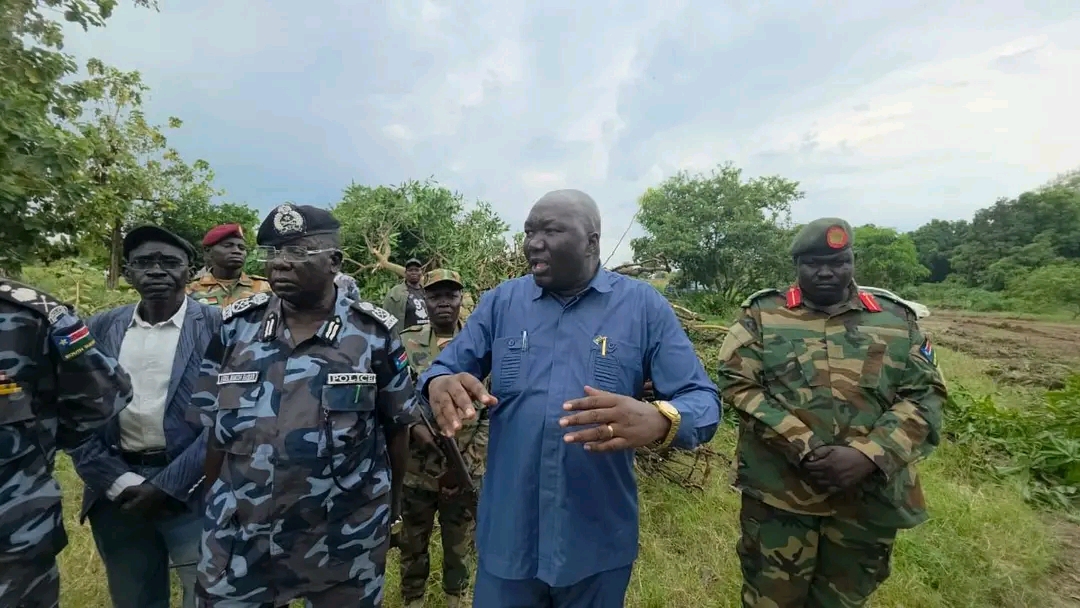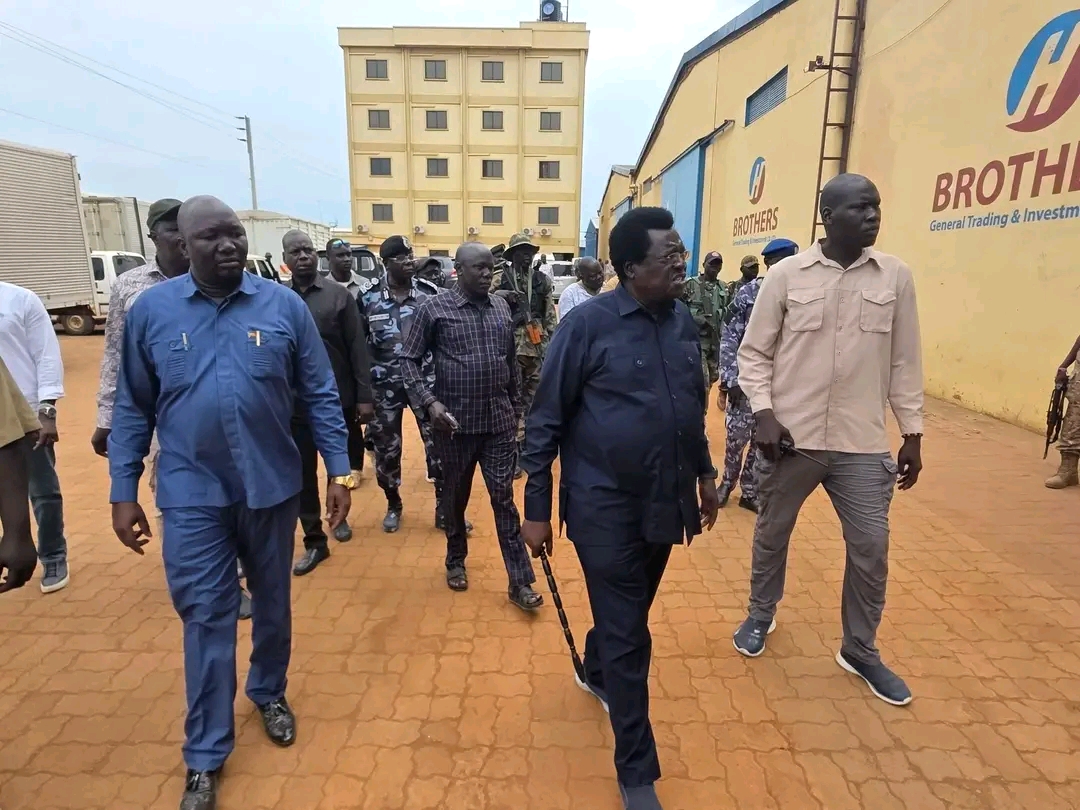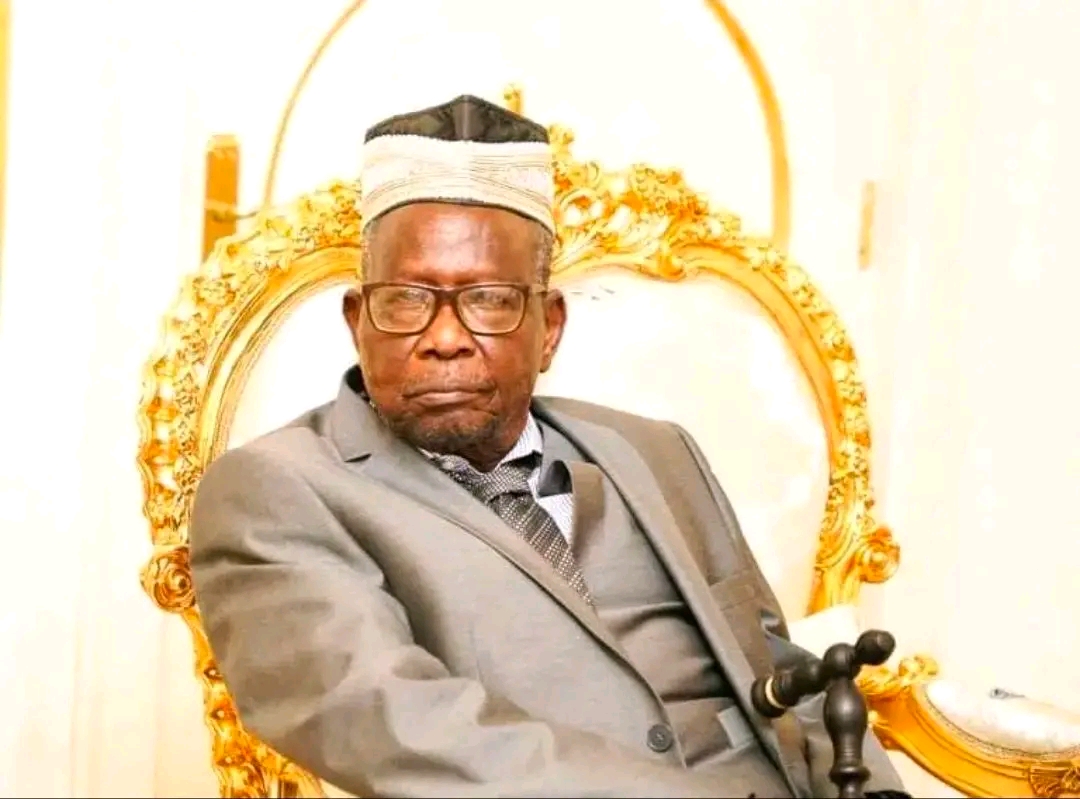
A former senior South Sudanese military officer and diplomat, Gen. Wilson Deng (Weks) Kuoirot, has announced the formation of a new political and armed movement aimed at overthrowing the government of President Salva Kiir, in a dramatic escalation of political tension as the country edges toward long-delayed elections.
In a lengthy declaration dated December 28, 2025, Kuoirot who previously served as Deputy Chief of Staff for Operations in the South Sudan Defence Forces (SSPDF) and later as South Sudan’s ambassador to South Africa declared that the country’s so-called “First Republic,” from independence in 2011 to 2025, had ended in failure.
He accused the government in Juba of presiding over economic collapse, insecurity, and systemic governance breakdowns that, he argued, have stripped the current leadership of legitimacy.
The announcement comes at a sensitive political moment, with President Kiir’s camp insisting on holding elections despite unresolved provisions of the 2018 Revitalized Agreement on the Resolution of the Conflict in South Sudan (R-ARCSS), including security arrangements, electoral reforms, and a permanent constitution.
Kuoirot’s declaration as both a challenge to the government’s election push and a reflection of growing elite fractures within the ruling establishment.
Kuoirot’s statement places significant blame on the government’s handling of the economy, accusing it of failing to implement key economic reforms under Chapter Four of the R-ARCSS.
He specifically cited provisions requiring transparency in oil-backed loans and oil marketing, alleging these were deliberately ignored.
According to the declaration, crude oil cargoes were instead allocated to networks linked to President Kiir, fueling corruption while plunging the country into hyperinflation, unpaid salaries for civil servants, closure of foreign embassies, and deepening poverty.
The document argues that these failures have eroded public trust and rendered the state incapable of delivering basic services.
On security, Kuoirot accused the government of abandoning its responsibility to protect civilians, claiming that state authorities encouraged communities to arm themselves and became a major source of weapons for local militias.
He alleged that inter-communal violence, cattle raiding, and child abductions were allowed to persist while national forces remained largely inactive.
“These failures,” the statement argued, “have turned insecurity into a permanent condition of governance.”
The declaration further accused the government of violating the R-ARCSS by allowing its transitional mandate to expire in 2022, then extending it through what it described as illegal political arrangements, most recently in December 2024.
It alleged the continued arrests of political rivals, suppression of civil liberties, and marginalization of peace partners.
Kuoirot portrayed the Revitalized Transitional Government of National Unity (R-TGoNU) as dysfunctional, claiming that cabinet meetings no longer occur regularly and that several ministers are either imprisoned, in exile, or politically sidelined.
The former general called for the dissolution of the R-TGoNU and proposed its replacement with a 24-month interim administration, led by a Chief Executive Officer and supported by civilian technocrats, with security overseen by former SPLA officers.
He controversially proposed conditional immunity for President Kiir and First Vice President Riek Machar, contingent on their cooperation with a democratic transition.
However, the declaration warned that armed resistance would be unavoidable if President Kiir refused to step aside.
It announced the formation of the National Uprising Movement (NUM) and its armed wing, the National Uprising Army (NUA), and called on members of the SSPDF, SPLA factions, and other armed groups to defect and join the movement.
Kuoirot argued that the country has endured 41 years of war and instability, including the liberation struggle and more than a decade of post-independence misrule.
He warned that poverty, hunger, and disease would persist unless fundamental political change occurs, while acknowledging that such change would come at a cost.
There has been no immediate response from the South Sudanese government to the declaration.
However, the emergence of a new rebel movement led by a former regime insider adds fresh uncertainty to South Sudan’s fragile political landscape particularly as elections loom amid deep divisions over legitimacy, reform, and the future of the state.