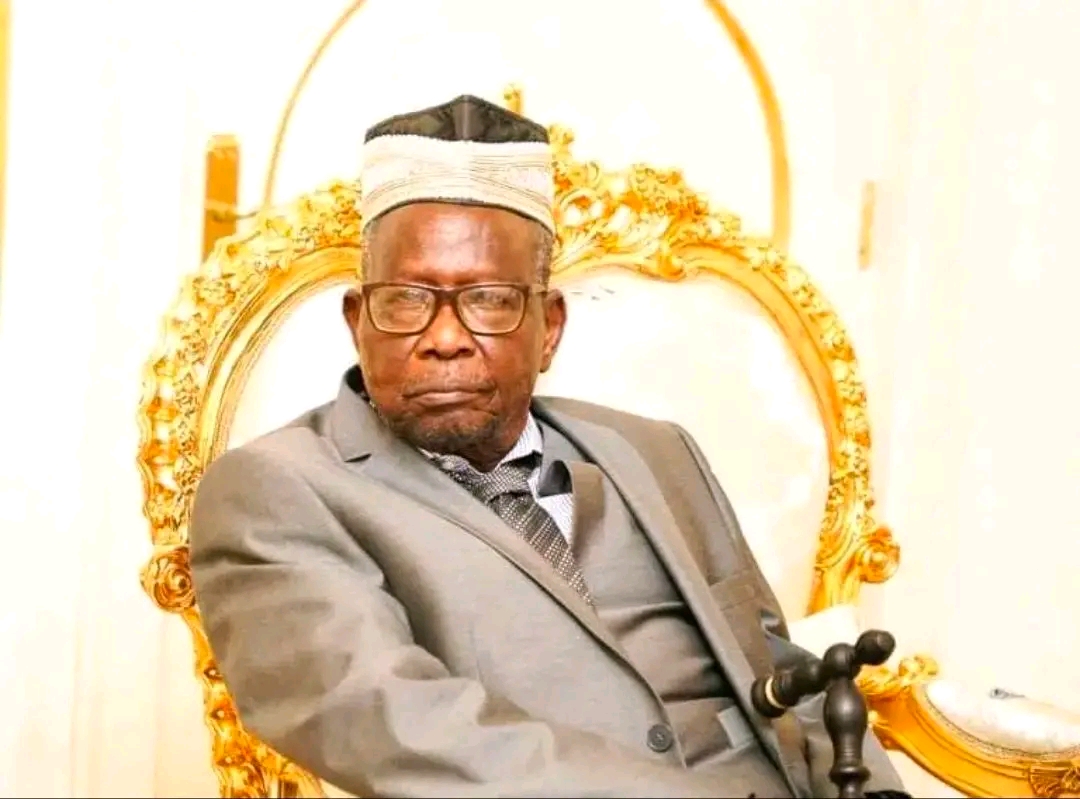

Mr. Edmund Yakani, Executive Director of the Community Empowerment for Progress Organization (CEPO), has strongly condemned the proposed amendments to the Revitalized Agreement on the Resolution of the Conflict in South Sudan (R-ARCSS), describing them as a calculated political maneuver rather than a genuine effort to advance election preparedness.
Speaking as a stakeholder signatory to the R-ARCSS, Yakani rejected attempts to justify the deletion of Articles 8.2 and 8.3 on the grounds of facilitating elections.
He argued that these provisions have no direct legal or operational link to election preparations and that portraying their removal as an electoral necessity is misleading.
According to CEPO, the proposed changes are designed to weaken the authority of the peace agreement itself, not to strengthen the electoral process.
Yakani warned that deleting Articles 8.2 and 8.3 would effectively strip the R-ARCSS of its political and legal legitimacy.
Once these articles are removed and the amendments endorsed, the Agreement would cease to be binding, eliminating any obligation on the government to implement outstanding critical tasks required for a credible transition.
He stressed that this would mark a dangerous turning point in South Sudan’s peace process.
CEPO highlighted that key unimplemented commitments under the R-ARCSS include security sector reforms, the permanent constitution-making process, economic and public financial management reforms, transitional justice mechanisms, and the safe return and reintegration of internally displaced persons and refugees.
Yakani cautioned that removing Articles 8.2 and 8.3 would also dismantle the enforcement and accountability mechanisms needed to compel progress on these obligations.
Furthermore, Yakani warned that the proposed amendments threaten to erase hard-won gains already achieved under the R-ARCSS.
These include policy and institutional reforms, the 35 percent affirmative action quota for women’s representation, progress in constitutional development, improvements in public finance management, and the foundations laid for transitional justice.
Undermining these achievements, he said, would reverse years of fragile progress and deepen political uncertainty.
CEPO therefore called for the immediate and total rejection of any attempt to delete Articles 8.2 and 8.3, whether through amendments to the R-ARCSS or related legal instruments such as the National Elections Act, 2023 (as amended).
Yakani emphasized that election-focused reforms can and should proceed without tampering with the core enforcement provisions of the peace agreement.
In conclusion, Yakani warned that conflating election reforms with efforts to dismantle key articles of the R-ARCSS is politically dangerous and risks collapsing the entire peace framework.
He urged political leaders, regional guarantors, and the international community to safeguard the integrity of the R-ARCSS, warning that undermining it could plunge South Sudan back into instability and uncertainty.