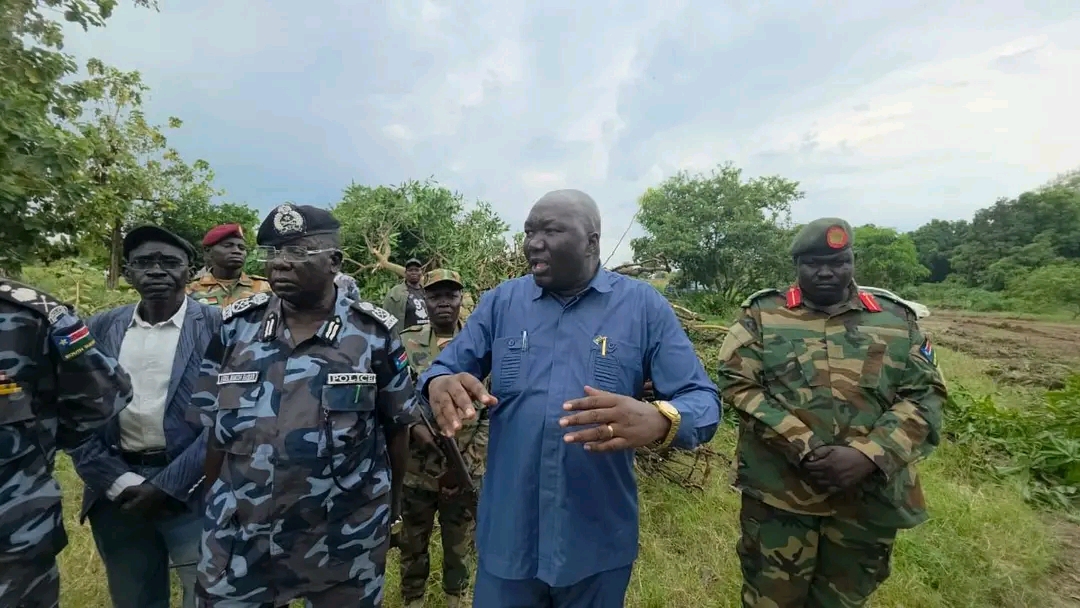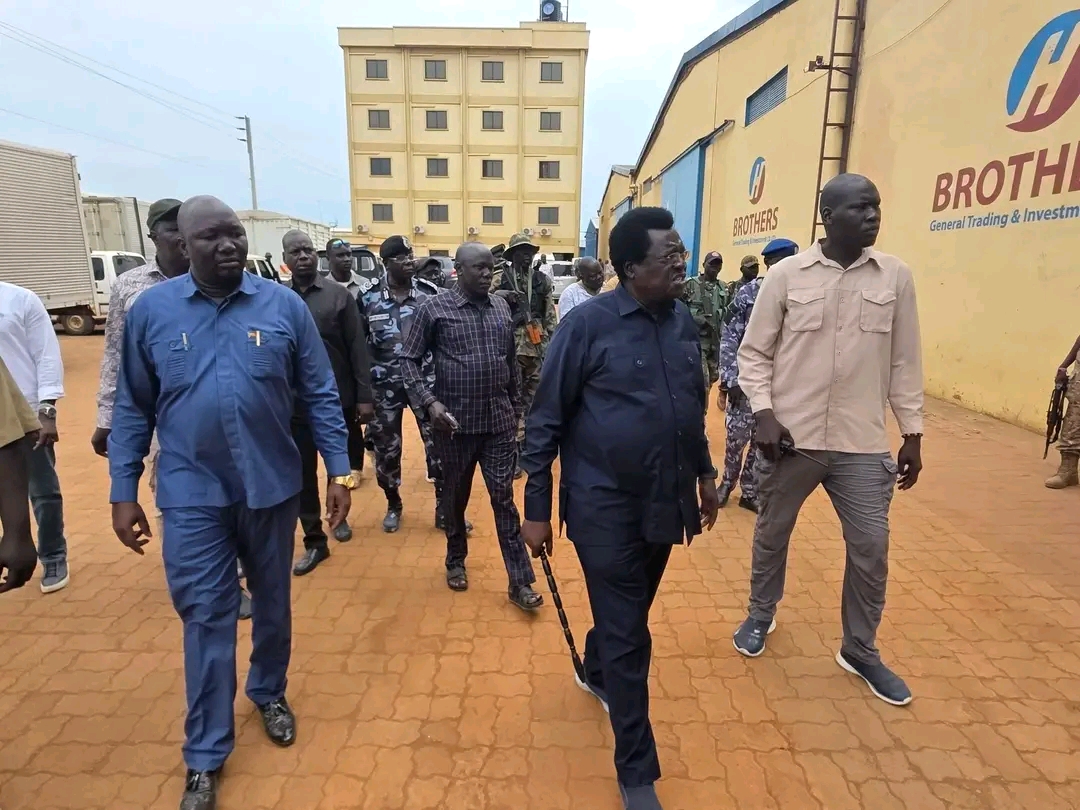
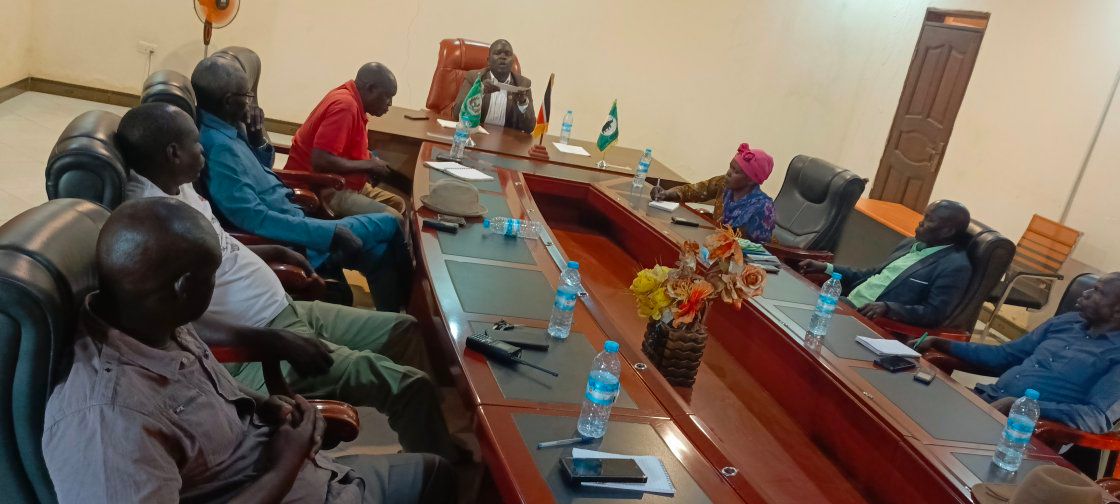
Local authorities in Yei River County on Monday convened traditional leaders, elders, landowners and civil servants for a one-day dialogue aimed at addressing land ownership, distribution and urban planning, as the county grapples with increasing pressure for orderly growth and the risk of land-related disputes.
Presiding over the meeting, Yei River County Commissioner Emmanuel Taban Seme described the dialogue as a timely intervention to promote peace, unity and sustainable development.
He commended the active participation of chiefs and community representatives, saying inclusive engagement was essential to resolving long-standing land challenges and preventing conflict.
Seme reaffirmed that 2026 has been declared the Year of Development for Yei River County, underscoring the need for comprehensive social surveys to guide planning and investment decisions.
He emphasized that residents who have lived in Yei for many years, regardless of ethnicity, deserve the right to own land, arguing that exclusionary practices often fuel tension and instability.
“Inclusive land policies are not only a matter of justice but also a foundation for peace,” the commissioner said, stressing that fair access to land would strengthen social cohesion and encourage development across the county.
To improve governance, the commissioner directed Boma Land Committees and Payam administrations to work closely together, calling for transparency, coordination and clear communication in land allocation processes to minimize misunderstandings and abuse.
Traditional leaders echoed the call for cooperation between communities and government.
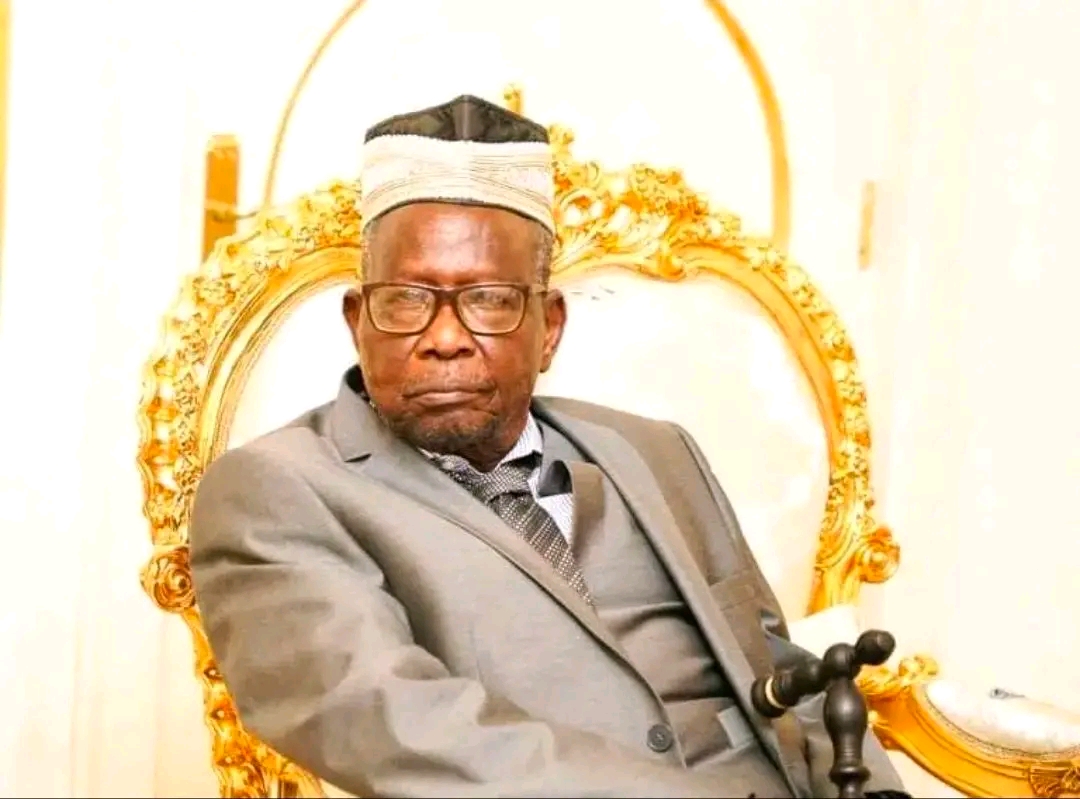
The Paramount Chief praised landowners for supporting ongoing government-led demarcation efforts, noting that proper planning would improve service delivery, reduce disputes and create an environment conducive to investment.
Speaking during the dialogue, Hillary Lugala Godo emphasized that land remains a collective resource belonging to the people of Yei.
He outlined plans for future zoning and urged authorities to strengthen policy frameworks that protect community land rights while accommodating urban growth.
Godo also appealed for increased financial support to the county’s housing and demarcation departments to accelerate mapping and planning work on the ground.
Former Yei Town Payam Director Araba Na Fox described the dialogue as an important platform for accountability, highlighting the role of elders in curbing corruption and ensuring fair and equitable access to land for residents.
Another participant, Able Sebit, welcomed the commissioner’s engagement with landlords and community leaders, urging the county leadership to reserve plots for public and community use, including schools, health facilities and recreational spaces, as part of long-term urban planning.
Meanwhile, Acting Land Chairperson Lowuya Morris cautioned landowners and administrators to uphold integrity in land transactions, warning that irregular practices and favoritism risk inflaming tensions and undermining public trust in local authorities.
Elder Charles Lugala stressed that regular dialogue and updated social surveys are critical to preventing land-related conflicts.
He urged the county government to fast-track mapping and allocation processes across Yei River County, noting that many potential investors are waiting for clearer and more predictable land systems before committing resources.
The meeting concluded with broad consensus on the need for stronger collaboration between government institutions, traditional authorities and local communities.
Participants agreed that equitable land governance, transparent planning and inclusive policies are essential to preventing conflict and supporting sustainable development in Yei River County.