The Government of the Republic of Korea has committed US$5 million in new funding to UNICEF South Sudan to support life-saving and resilience-building programmes for children and families affected by the country’s overlapping humanitarian crises.
The contribution, announced on Monday, will support priority interventions in education, nutrition, child protection, and water, sanitation and hygiene (WASH), sectors that remain under severe strain as South Sudan grapples with conflict, climate shocks, displacement and a worsening economic situation.
South Sudan continues to face one of the most complex humanitarian emergencies in the world.
According to humanitarian agencies, about 10 million people more than three-quarters of the population require humanitarian assistance, including over 5.3 million children.
The education sector has been particularly hard hit, with an estimated 2.8 million school-age children currently out of school, many due to conflict, poverty, flooding and displacement.
Food insecurity is also rising at alarming levels.
Humanitarian forecasts warn that more than 7 million people could face acute hunger by mid-2026, while over 2 million children under the age of five are at risk of malnutrition if urgent and sustained support is not scaled up.
UNICEF said the Korean funding will be used to strengthen systems that can withstand instability caused by conflict and extreme climate events, while also delivering immediate assistance to the most vulnerable communities. Planned interventions include:
Education support for both enrolled and out-of-school children through school-based resilience initiatives, accelerated learning, and early childhood development programmes.
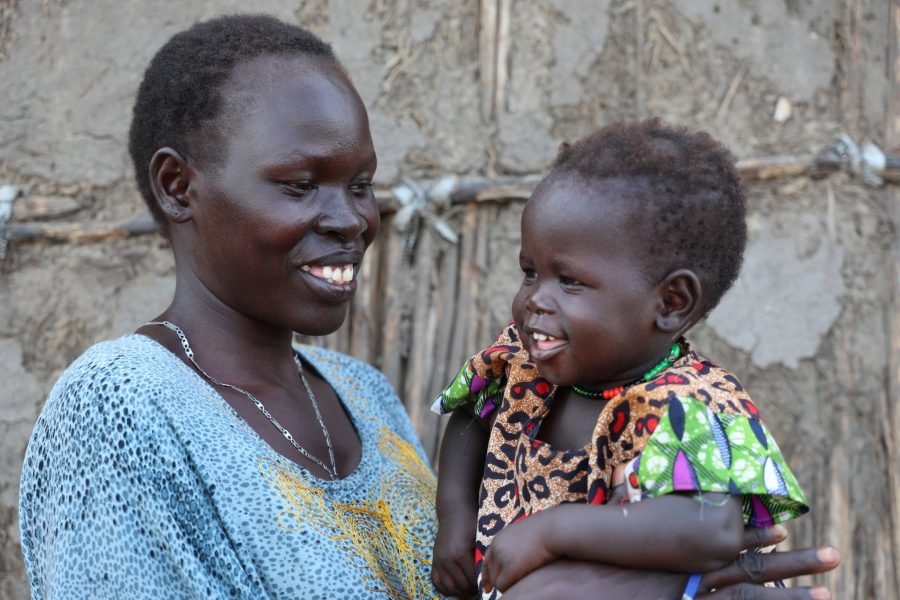
Nutrition services, including treatment for children suffering from severe acute malnutrition and nutrition counselling for pregnant and breastfeeding women.
WASH interventions, such as the rehabilitation of emergency sanitation facilities and expanded access to safe drinking water in high-risk and flood-affected areas.
Child protection and gender-based violence services, alongside psychosocial support and livelihood-focused assistance for adolescents and young people.
UNICEF South Sudan Country Representative Noala Skinner described the contribution as a timely and critical boost to ongoing efforts to protect women and children in crisis-affected areas.
“This funding demonstrates a strong commitment to the children of South Sudan,” Skinner said. “It will enable UNICEF to deliver urgent humanitarian assistance while also investing in longer-term, sustainable solutions for health, education and protection.”
South Korea’s Ministry of Foreign Affairs said the funding reflects the country’s continued humanitarian partnership with South Sudan and its focus on protecting vulnerable children in fragile settings.
“This contribution reflects the Republic of Korea’s enduring solidarity with the people of South Sudan,” said Kyoo-ho Lee, Director-General of the Development Cooperation Bureau.
“We are proud to partner with UNICEF in ensuring access to life-saving services for the most vulnerable children.”
UNICEF welcomed the support and called on national and local authorities, as well as all parties to the conflict, to guarantee safe, timely and unhindered humanitarian access, particularly in hard-to-reach and displacement-affected communities where needs remain most acute.
The agency said sustained international support remains essential to prevent further deterioration of child well-being and to help South Sudan’s youngest generation survive, recover and build a more resilient future.