After months of uncertainty and long waits, South Sudanese citizens seeking passports and national identity documents can once again access the services, following the arrival of new document booklets at the Immigration Directorate.
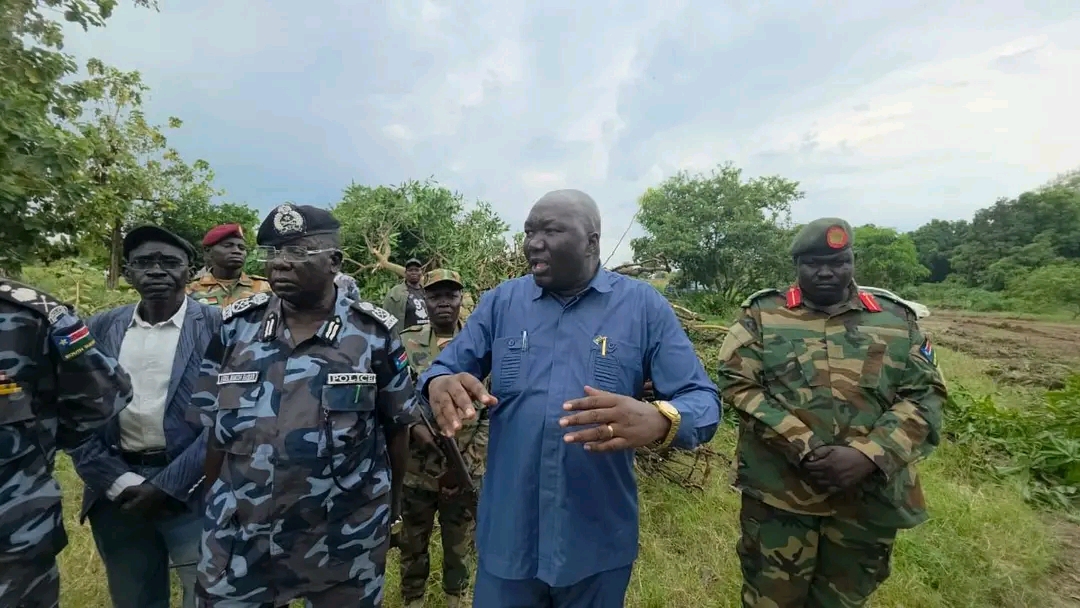
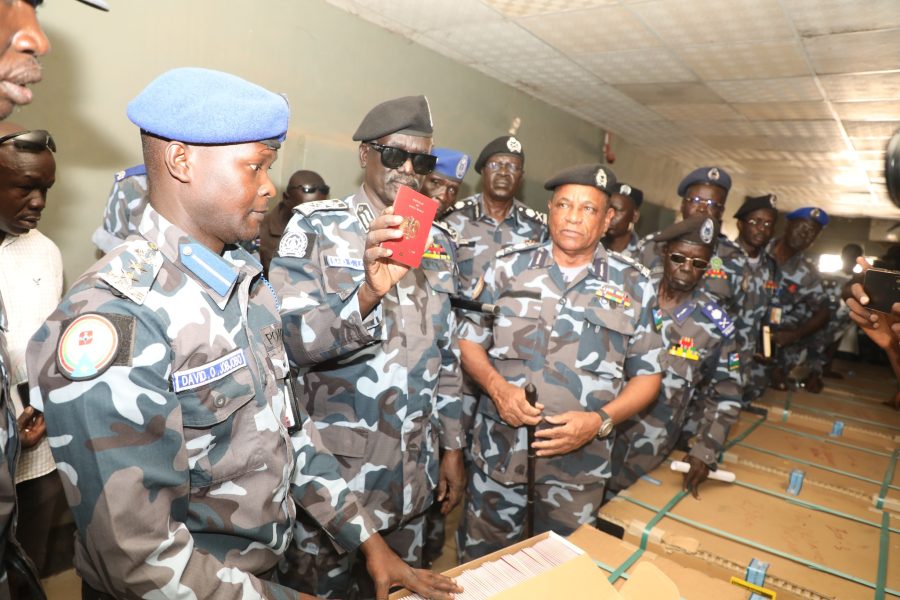
The resumption of passport and national ID card issuance was officially launched on Friday at the headquarters of the Directorate of Civil Registry, Nationality, Passport, and Immigration (CRNPI) in Juba by the Inspector General of Police, General Said Chawul Lom.
The move brings to an end delay that had left thousands of applicants unable to travel for education, medical care, or business.
“Any person who does not have a nationality, any citizen who does not have a passport, can come here and get the passports,” Gen. Lom said during the launch, reassuring the public that services have fully resumed.
According to him, the arrival of fresh booklets will enable the directorate to begin clearing a significant backlog of applications that accumulated during months of shortages.
Maj. Gen. Elia Costa Faustino, Director General of CRNPI, acknowledged that the lack of blank booklets had severely disrupted services and affected the lives of many citizens.
“From Monday we are going to start producing the passport and the nationality to those people who have processed their documents,” Faustino said, confirming that production will officially resume on Monday, 19 January 2026.
According to Faustino, priority will initially be given to students pursuing scholarships, South Sudanese citizens already abroad, and patients seeking medical treatment outside the country.
He noted that once these urgent cases are addressed, issuance will be opened to the general public.
The directorate has received a substantial supply of materials, including 10,050 regular passports, 4,404 diplomatic passports, 2,810 official passports, and 27,592 special passport cards. In addition, authorities received approximately 35,000 nationality certificates and 380,000 personal ID cards.
Students applying for passports will be required to present confirmation documents from the Ministry of Higher Education, while South Sudanese living abroad may apply through their respective embassies.
Patients referred for overseas medical treatment must provide official medical referral documentation.