Peace partners and civil society stakeholders signatory to the 2018 Revitalized Peace Agreement have issued a strong warning to political actors accused of undermining dialogue, vowing to publicly name and expose those they say are sabotaging peace efforts for personal and political interests.
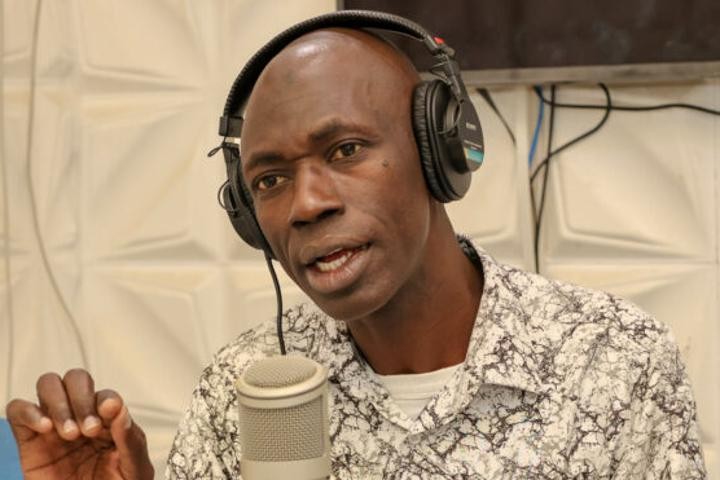
Speaking in Juba, the Executive Director of the Community Empowerment for Progress Organization (CEPO), Edmond Yekani, said the warning was issued on behalf of peace stakeholders, signatories to the 2018 agreement, and South Sudan women mediators.
He announced the launch of a South Sudanese-to-South Sudanese inclusive political dialogue, scheduled to begin Monday, 19 January 2026.
Yekani said the dialogue aims to bring together political parties and stakeholders who are rightful signatories to the 2018 peace agreement under a joint platform designed to rebuild trust and de-escalate the country’s renewed violence.
He emphasized that the process would be nationally owned and inclusive, rejecting external manipulation or exclusion.
According to the peace partners, the dialogue is intended to address the renewed military confrontations between the SSPDF and SPLA-IO, as well as clashes involving other armed groups, which they say have imposed a heavy toll on civilians.
Yekani cited widespread human rights violations, a deepening humanitarian crisis, loss of civilian lives, and deteriorating safety and security as urgent reasons for dialogue.
He reminded political leaders of their repeated public commitments that South Sudan would never return to war under their leadership, noting that despite these assurances, fighting has already erupted in parts of the country.
He said peace partners have taken up the responsibility of organizing dialogue after leaders insisted that South Sudanese should be allowed to resolve their differences internally.
“We are aware of the spoilers of this dialogue. They are not unknown to us,” Yekani said, adding that stakeholders are offering what he described as a final opportunity for dialogue to proceed without sabotage or obstruction.
He recalled that similar efforts last year were undermined, warning that any further attempts to derail the process would be met with public accountability.
“If this dialogue is undermined again, we will take the responsibility to name the spoilers and obstructors among the parties signatory to the 2018 peace agreement,” he said.
Yekani accused some politicians of benefiting from continued violence, suffering, and instability, alleging that their obsession with power has come at the expense of innocent citizens.
He said the cost of political rivalry has been paid in lives lost, displacement, hunger, and widespread suffering.
“This violence is making innocent citizens pay a very expensive price with their lives,” he said, adding that power which destroys lives cannot be considered legitimate leadership.
The peace partners also revealed that preparatory work is underway, including the formation of a dialogue organizing committee.
He said the planned dialogue seeks to renew trust and confidence, reaffirm political commitments to the transition, and move the country away from violence toward sustainable peace.
He warned against the deliberate fragmentation of political parties, saying such tactics are used to divide and control rather than resolve differences.
Calling for an immediate shift from military solutions to political engagement, Yekani appealed to leaders to place the lives and dignity of citizens above the struggle for power.
“We cannot kill our people, turn them into refugees, or let them die of hunger, and then ask them to respect us as leaders,” he said. “Dialogue must replace violence.”
The peace partners called on all parties signatory to the 2018 peace agreement to immediately accept and participate in a genuine, inclusive political dialogue, stressing that this represents a last chance to prevent further bloodshed and rescue South Sudan’s fragile peace.