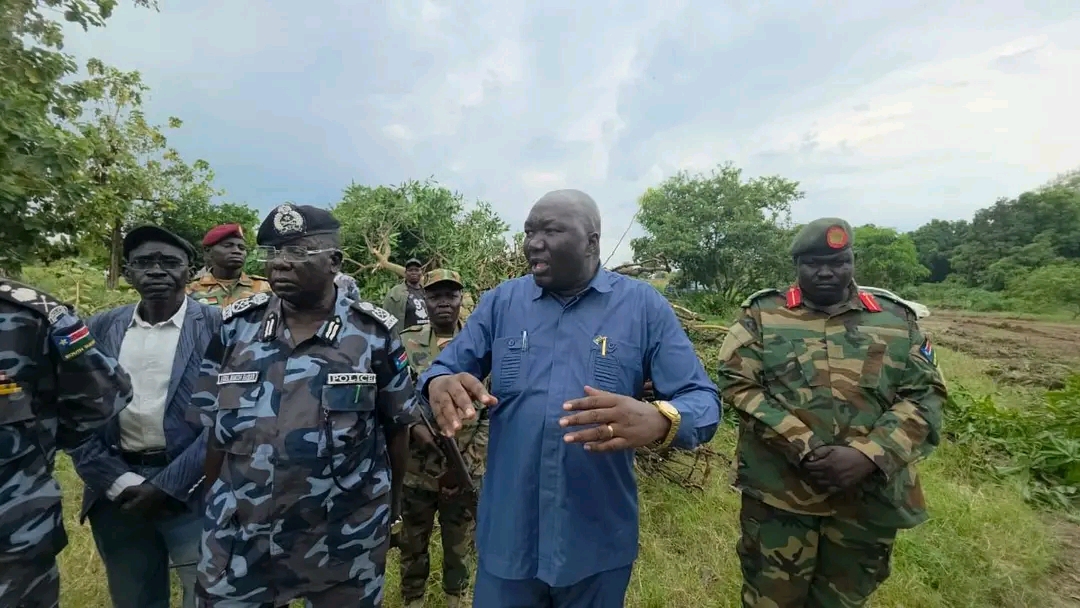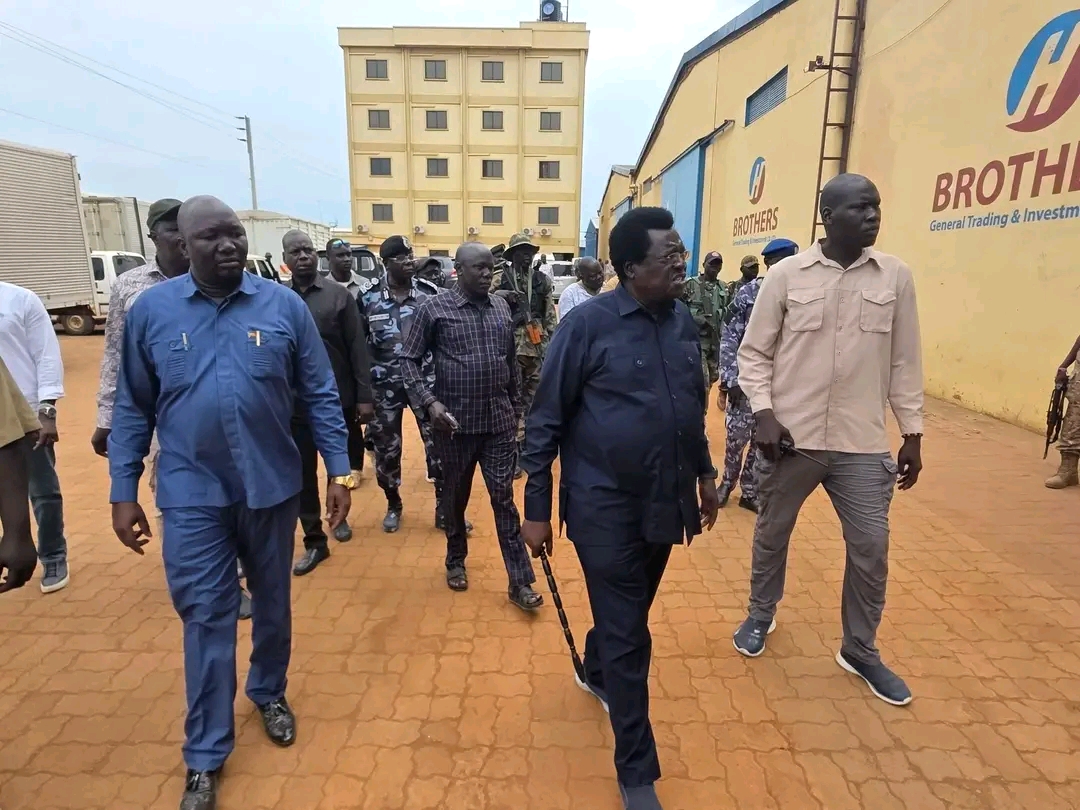
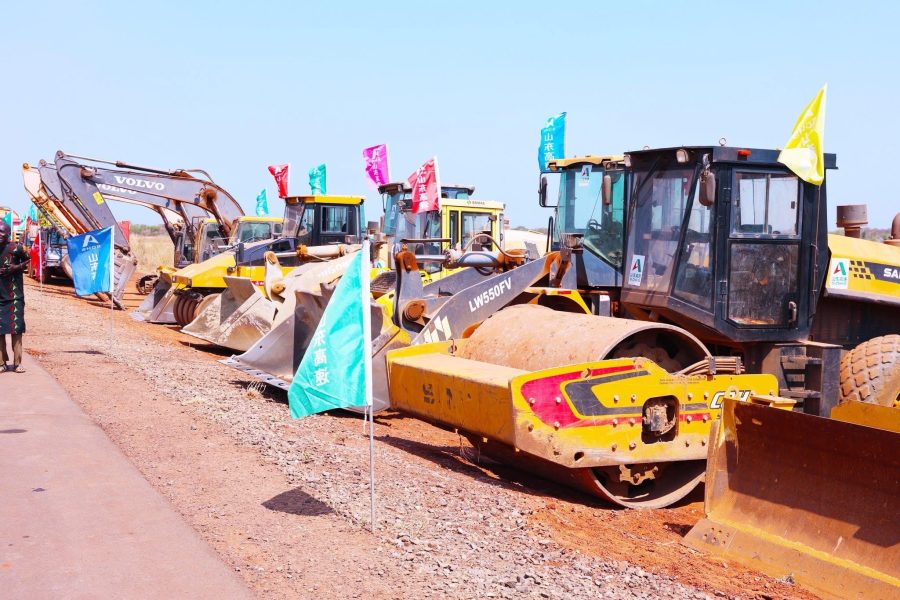
After years of delays, reversals, and unanswered questions, the Government of South Sudan on Saturday officially relaunched the construction of the long-stalled Juba–Rumbek Highway.
The relaunch marked the return of the project to Shandong Hi-Speed Company, the original contractor, following a prolonged period of uncertainty during which construction was suspended and the contract controversially reassigned.
The circumstances surrounding the halt of the works and the brief handover to another company were never fully clarified, fueling public debate over transparency and procurement practices in major government projects.
Speaking at the relaunch ceremony, government officials said the decision to return the project to Shandong Hi-Speed was driven by the need to ensure technical capacity, adherence to engineering standards, and timely delivery.
They stressed that lessons had been learned from previous disruptions and assured the public that the revived project would now proceed without further interruption.
Senior Presidential Envoy Adut Salva Kiir has been tasked with supervising the project on behalf of the presidency.
Officials described the move as an effort to strengthen oversight and accountability, underscoring the government’s renewed commitment to seeing the highway completed.
The ceremony was attended by representatives of the Chinese Embassy in Juba, reflecting China’s continued role in South Sudan’s infrastructure development.
Also present were the Minister of Roads and Bridges, Lam Both, Lakes State Governor Madhang Majok, and Central Equatoria Governor Emmanuel Adil, whose states are directly linked by the highway.
The Juba–Rumbek Highway is widely regarded as a vital economic and social lifeline. Once completed, it is expected to ease the movement of goods and people, lower transport costs, boost trade between regions, and improve access to markets, health services, and education for communities along the corridor.
For residents who have endured years of poor road conditions, especially during the rainy season, the relaunch signals a long-awaited opportunity for change.
However, repeated stoppages and contract changes have left many road users cautious. Previous delays not only slowed economic activity but also eroded public confidence in the management of large-scale infrastructure projects.
While construction timelines and financing details were not disclosed at the event, authorities said work would resume immediately.
Officials expressed optimism that stronger supervision and restored cooperation with experienced contractors would prevent further setbacks.
As machinery prepares to return to the ground, the relaunch of the Juba–Rumbek Highway stands as both a moment of renewed hope and a reminder of the challenges that have plagued infrastructure development in South Sudan.
For many citizens, the true measure of success will not be the ceremony itself, but whether the road finally reaches completion after years of uncertainty.