The United Nations Commission on Human Rights in South Sudan has warned that senior political and military leaders could face individual criminal responsibility for violence in Jonglei State.
In a statement issued on January 25, the Commission expressed grave alarm at public remarks by senior military figures that encourage violence against civilians, combined with reports of troop mobilisation in Jonglei, describing the developments as a dangerous escalation at a time when South Sudan’s peace process is already severely weakened.
The Commission said that under international humanitarian and criminal law, military and civilian leaders who incite crimes, order abuses, or exercise effective control over forces that commit violations may be held criminally liable.
Responsibility also extends to leaders who fail to prevent, repress, investigate or punish crimes they knew, or should have known, were being committed.
“No senior political or military leader in Juba can claim to be unaware of the blatant public incitements to commit serious crimes in Jonglei,” the Commission said.
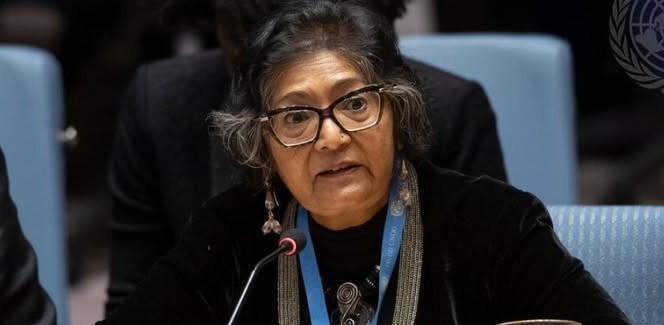
Commission Chair Yasmin Sooka warned that language calling for the killing of civilians and those no longer taking part in hostilities is profoundly dangerous, noting that similar rhetoric in South Sudan’s past has preceded mass atrocities.
“When such language is issued or tolerated by those in positions of command, it signals permission to commit violence and removes any expectation of restraint,” Sooka said, adding that entire communities now face grave risk amid displacement and trauma.
The Commission said the current escalation reflects a broader political breakdown, driven by sustained violations of the peace agreement and erosion of command and control in an ethnically fractured and volatile environment.
Commissioner Barney Afako warned that reckless rhetoric by commanders directly shapes troop behavior on the ground and, when combined with force mobilisation and ethnicised messaging, risks triggering spirals of retaliatory violence that could rapidly spiral beyond control.
The Commission stressed that urgent intervention at the highest political and military levels is needed to halt incitement, rein in commanders, de-escalate tensions and recommit to consensus-based politics.
It emphasized that President Salva Kiir, as Commander-in-Chief, bears a heightened duty to exercise effective control over forces operating in his name and to publicly repudiate ethnic mobilisation and calls for exterminatory violence.
The Chief of Defence Forces, the Minister of Defence and other senior officials were also cited as sharing responsibility for preventing abuses.
Commissioner Carlos Castresana Fernández said that public statements encouraging attacks on civilians, including rhetoric framing entire communities as legitimate targets, may give rise to individual criminal responsibility, regardless of whether orders are formal or conveyed through threats, public remarks or deliberate tolerance of incitement.
The Commission called on all parties to immediately cease inflammatory rhetoric and force mobilisation, urging regional and international partners to urgently re-engage to preserve the peace agreement and press South Sudan’s leaders to return to the political path they committed to.
“This crisis is not inevitable,” Sooka said. “Leadership, restraint and accountability can still avert catastrophe, but the window to act is closing fast.”