The African Union (AU) has called on all parties in South Sudan to immediately de-escalate tensions and fully respect the Revitalized Agreement on the Resolution of the Conflict in the Republic of South Sudan (R-ARCSS), amid growing insecurity in parts of the country.
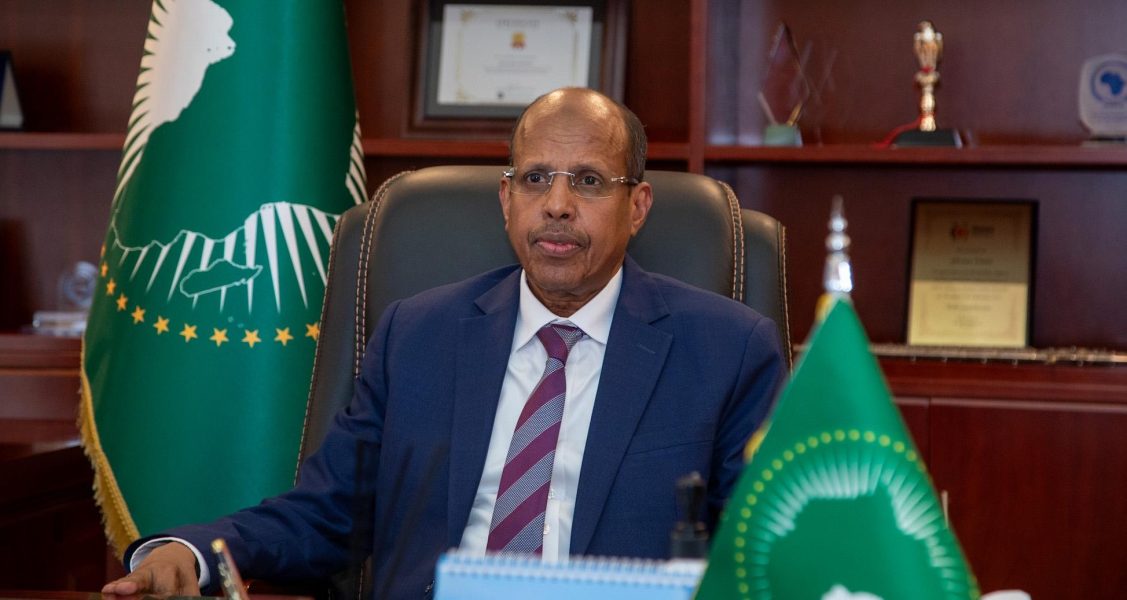
In a statement, the Chairperson of the African Union Commission, Mahmoud Ali Youssouf, expressed deep concern over the deteriorating security situation, particularly in Jonglei State, where escalating violence has reportedly displaced large numbers of civilians.
The AU Chairperson said he was alarmed by reports of inflammatory rhetoric and actions that risk fueling further violence and placing civilian populations especially women and children at heightened risk.
He stressed that such actions run counter to both the letter and spirit of the revitalized peace agreement.
Mr. Youssouf strongly condemned any calls for, or acts of, violence against civilians and reiterated that the protection of civilians remains a fundamental responsibility of all parties to the conflict.
While noting continued public commitments by South Sudanese leaders to the peace process, the AU raised serious concern over ongoing violations of the Permanent Ceasefire and their adverse humanitarian consequences.
The AU urged all signatories to exercise maximum restraint, strictly adhere to ceasefire arrangements, respect agreed power-sharing mechanisms, and return to inclusive, consensus-based decision-making.
The Chairperson further called on South Sudanese stakeholders to place the interests of the people above all other considerations and to resolve outstanding differences through dialogue and peaceful means, in order to ensure the successful completion of the Transitional Period.
The African Union reaffirmed its unwavering commitment to supporting the people and Government of South Sudan in their pursuit of lasting peace, stability, and national reconciliation, and said it would continue to work closely with IGAD, the United Nations, and international partners to advance this objective.