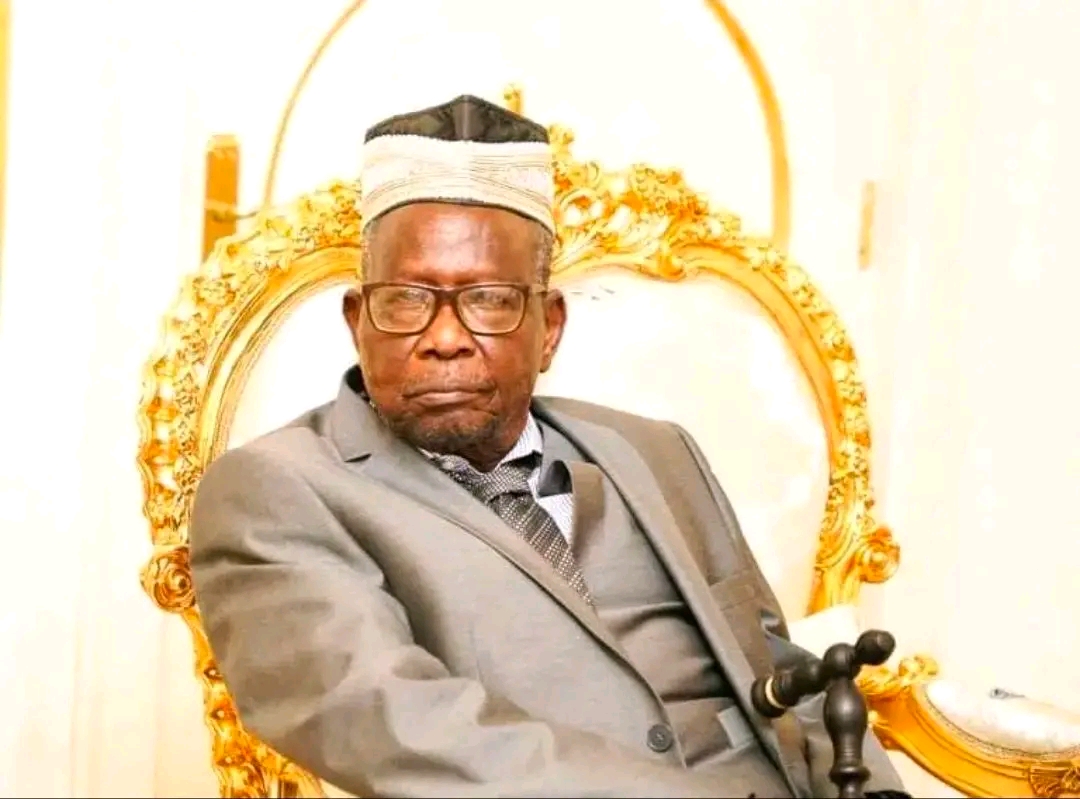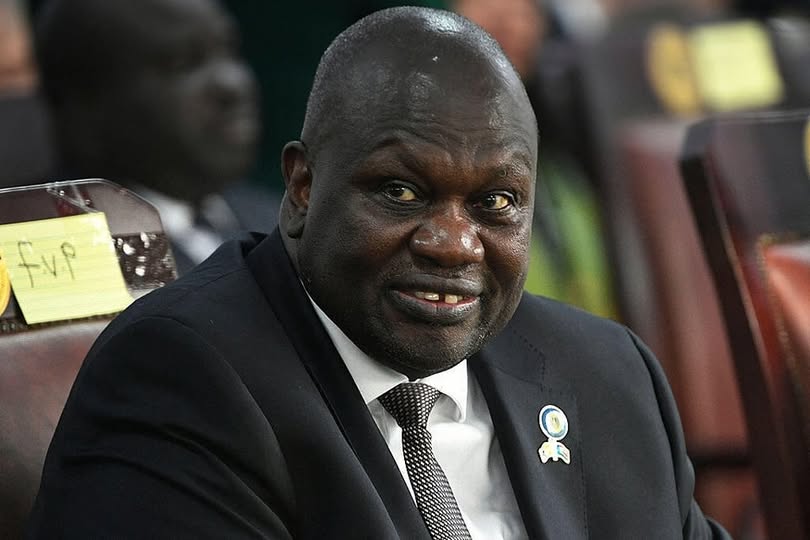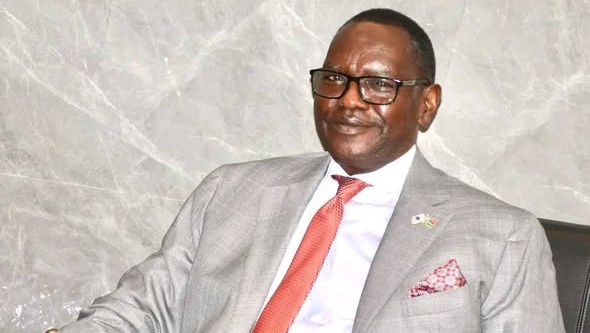
The Governor of the Bank of South Sudan (BoSS), Damian, has pledged decisive measures to resolve persistent cash and liquidity shortages in the economy.
In a press statement issued on January 30, 2026, Governor Ohisa noted that his return comes at a critical time, as South Sudan continues to grapple with severe economic shocks marked by inflationary pressures, foreign exchange volatility and constrained liquidity in the banking system.
The Governor said the Bank will continue implementing the approved Monetary and Banking Policies for 2026, which are designed to provide optimal liquidity while safeguarding price and financial system stability and supporting the government’s broader macroeconomic objectives.
He emphasized that addressing the ongoing cash shortage remains a top priority of the Central Bank.
While observing that the global economy is expected to show resilience in 2026, Governor Ohisa cautioned that trade tensions, fiscal pressures and persistent global uncertainty pose significant risks to South Sudan’s domestic economy.
Against this backdrop, he stressed the need for strong coordination between fiscal and monetary authorities to confront current economic challenges.
As part of its response, the Bank of South Sudan will pursue a tighter monetary policy stance aimed at curbing inflation, stabilizing the exchange rate and correcting macroeconomic imbalances, while at the same time intervening directly and indirectly to ease liquidity constraints.
The Bank, he said, will use all available monetary policy instruments to ensure cash availability improves as conditions evolve.
Under the 2026 policy framework, the Central Bank will maintain the Central Bank Rate at 13 percent, subject to review by the Monetary Policy Committee, and enforce reserve requirements of 15 percent on local currency deposits and 20 percent on foreign currency deposits.
Commercial banks will also be required to maintain a minimum liquidity ratio of 20 percent and keep foreign exchange exposure within prudential limits to protect the stability of the financial sector.
Governor Ohisa said these measures are intended to support key macroeconomic targets for 2026, including real GDP growth of 5.3 percent, headline inflation contained at 14.4 percent, increased lending to the private sector, and the accumulation of foreign exchange reserves equivalent to 4.5 months of import cover.
To strengthen the resilience of the banking sector, the Bank reaffirmed its commitment to the full implementation of minimum paid-up capital requirements and strict enforcement of Anti-Money Laundering and Counter Financing of Terrorism (AML/CFT) regulations.
Commercial banks, the Governor said, must comply with customer due diligence and Know Your Customer guidelines, while also supporting the modernization and digitalization of the national payment system.
Looking ahead, the Central Bank will intensify collaboration with the Ministry of Finance and Planning and other stakeholders to promote economic diversification, with a particular focus on the agriculture and mining sectors as engines of sustainable growth.
Concluding the statement, Governor Ohisa assured citizens and the business community that the Bank of South Sudan is fully aware of the liquidity and cash shortages affecting the economy and is “doing its utmost best” to resolve them.
He expressed confidence that, through continuous policy reviews and targeted interventions, the situation will be brought under control and the foreign exchange market streamlined in the course of 2026.