Senior medical experts in South Sudan have renewed calls for early cancer screening, warning that late diagnosis is fueling the country’s growing cancer burden.
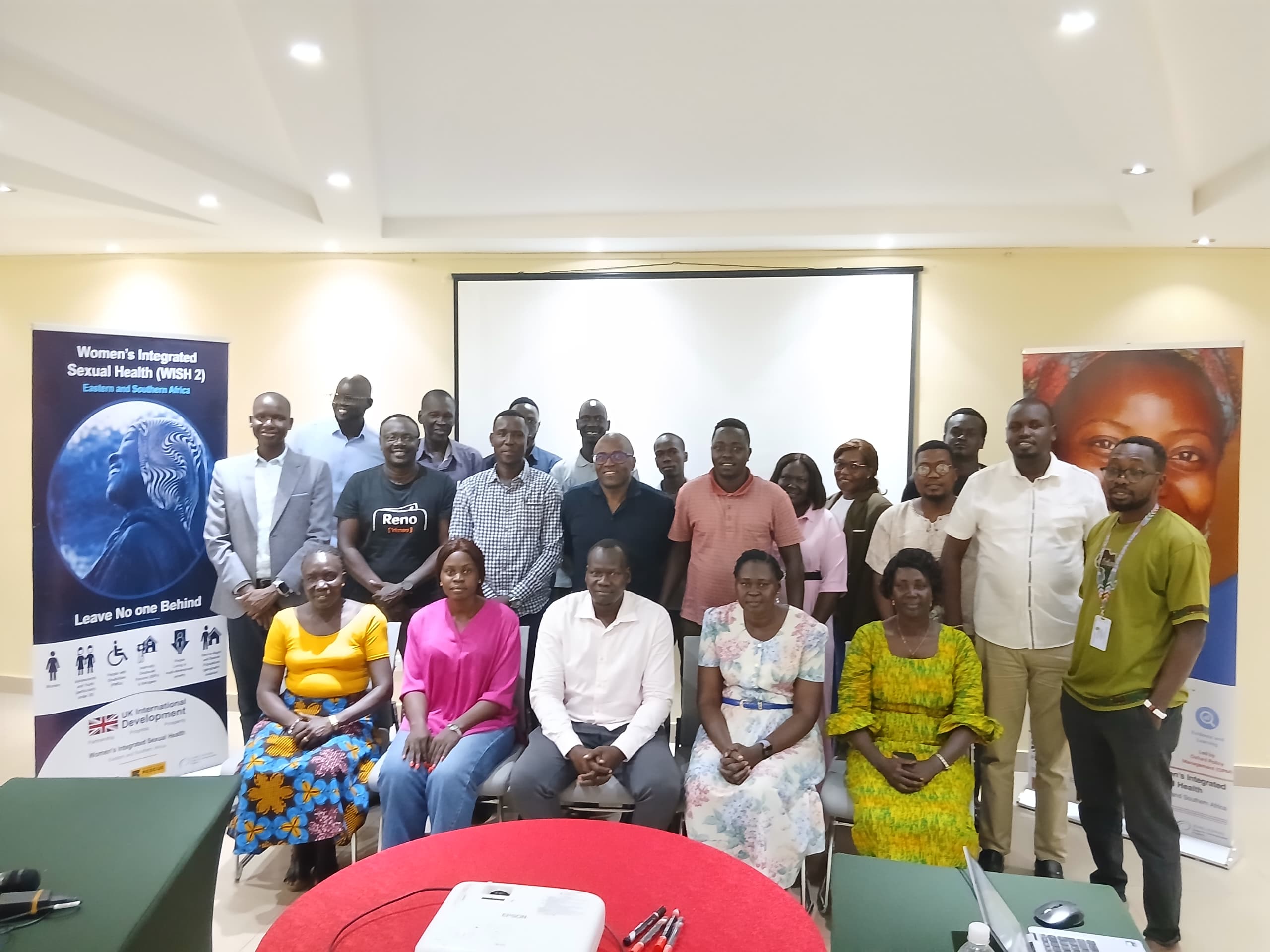
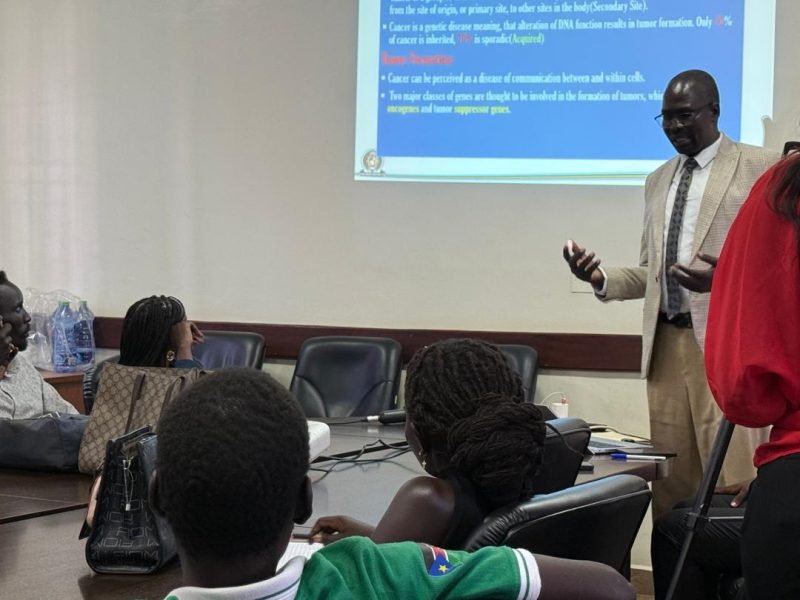
Speaking during the World Cancer Day 2026 commemoration and a media orientation on accurate cancer reporting, organized by the South Sudan Cancer Network (SSCN) in partnership with the Community Empowerment for Progress Organization, health professionals urged journalists and the public to prioritize awareness and early detection.
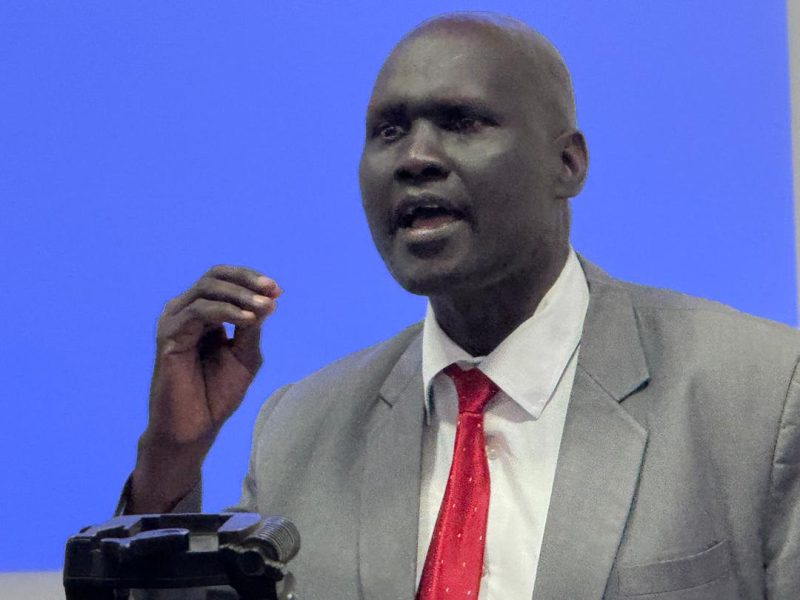
“As we speak, most cancers in South Sudan are diagnosed very late,” said Assistant Professor Dr. Albino Amum, Chairperson of the South Sudan Cancer Network.
“This late diagnosis is the main reason behind the rising cancer statistics we are seeing in the country. The message is simple: the earlier, the better.”
Dr. Amum stressed that early screening remains the most effective way to reduce cancer-related deaths, noting that awareness empowers people to recognize symptoms early and seek timely medical care.
“We want the media and the public to understand the early signs of cancer,” he said. “When people know what to look out for, they can come early, and early detection saves lives.”
Dr. Amum outlined the most common cancers affecting South Sudanese communities, naming breast cancer, cervical cancer, prostate cancer, liver cancer, colorectal cancer, and blood cancers such as leukemia and lymphoma.
He also pointed to Kaposi’s sarcoma, a cancer commonly associated with HIV, which remains endemic in the country.
“When you see an HIV patient with skin nodules, ulcers, or unusual lesions, this could be Kaposi’s sarcoma,” Dr. Amum explained. “These signs should never be ignored.”
According to the doctors, early warning signs of cancer include unexplained weight loss, persistent fatigue, long-standing lumps in the breast or other parts of the body, abnormal vaginal bleeding, bleeding after sexual intercourse, foul-smelling vaginal discharge, non-healing skin ulcers, persistent cough, and sudden hoarseness of voice.
“These are danger signals,” said Dr. Steven Francis Saki, Vice Chairperson of the South Sudan Cancer Network. “If they appear and do not go away, people should seek medical advice immediately. Waiting only makes the situation worse.”
Dr. Saki highlighted tobacco use including cigarettes, shisha, and traditional smoking as a major risk factor, warning that even second-hand smoke increases cancer risk.
“Smoking does not only affect the smoker,” he said. “Even those who inhale smoke indirectly are at risk, and this is something our society needs to take seriously.”
He also cited unsafe sexual practices and infections such as HIV, Hepatitis B, Hepatitis C, and human papillomavirus (HPV) as major contributors to cancers of the liver, cervix, and other organs, alongside unhealthy diets and physical inactivity.
The experts emphasized prevention as a key pillar in the fight against cancer, pointing to vaccination against Hepatitis B and HPV as proven protective measures.
“Screening is the backbone of prevention,” Dr. Amum said. “Women should regularly examine their breasts. If you feel a lump, don’t hide it. Seek medical attention early.”
The doctors acknowledged that cancer care services in South Sudan remain limited and centralized, with surgery and chemotherapy available in some public and private facilities, while radiotherapy and advanced treatments are still lacking.
They also raised concern over the high cost of treatment, which is largely paid out of pocket.
“Cancer care is expensive, and many patients give up simply because they cannot afford it,” Dr. Saki said. “This is why advocacy is critical.”
Both speakers underscored the importance of accurate and responsible media reporting in shaping public understanding of cancer.
“This media orientation is about partnership,” Dr. Amum said. “We need journalists to help us spread correct information, fight myths, and encourage early screening.”
He added that the South Sudan Cancer Network continues to engage leaders, institutions, and partners to push for improved cancer services and patient support nationwide.
As South Sudan marked World Cancer Day 2026, the doctors’ message was that, early detection saves lives, awareness reduces fear, and accurate information can change outcomes.