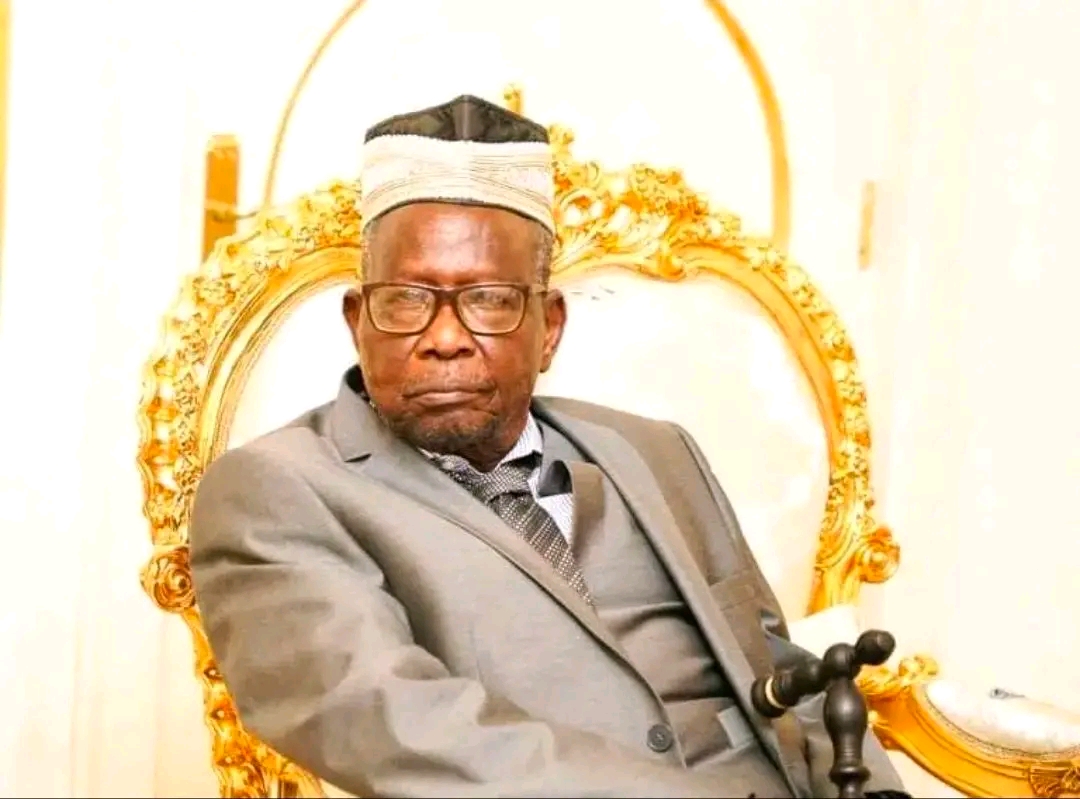
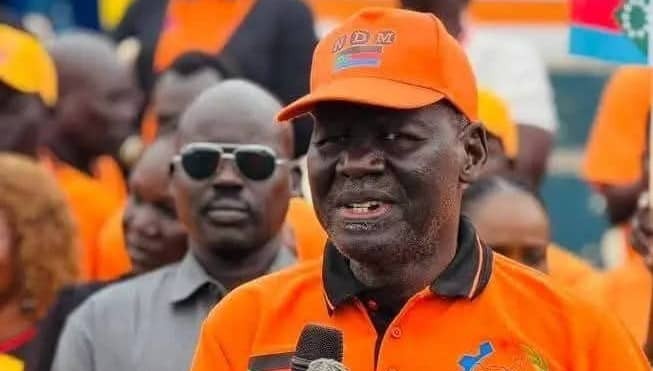
The National Democratic Movement (NDM) has announced the removal of its founding chairman, Dr. Lam Akol Ajawin, in what party leaders describe as the culmination of a prolonged internal crisis marked by alleged violations of party rules and growing leadership rifts.
In a statement issued following a press conference held on Tuesday, a splinter faction within the party said the decision was reached after “extensive consultations, extraordinary meetings, and internal reviews” conducted by what it termed the party’s highest decision-making organs.
The group declared that Dr. Lam Akol has been stripped of his position as NDM chairman and will now remain an ordinary member of the party, effective immediately.
According to the statement, the leadership accused Dr. Lam Akol of repeatedly disregarding resolutions of the National Executive Committee (NEC) and the National Leadership Council (NLC), actions it said eroded internal cohesion and undermined the party’s institutional framework.
The faction further alleged that Dr. Lam Akol violated the party’s basic rules by establishing parallel groupings within NDM, contrary to Article 47 of the party constitution, and deliberately weakened internal democratic processes while projecting a democratic image to the public.
Among the key incidents cited was the alleged unilateral cancellation of parliamentary caucus elections on 17 February 2025, a move the group described as autocratic and inconsistent with the founding principles and values of the party.
Following Dr. Lam Akol’s removal, the faction announced the appointment of Mahjoub Biel Turuk as Interim Chairman.
Turuk previously served as the South Sudan Opposition Alliance (SSOA) Chief Whip and as Governor of Jonglei State, credentials the group said position him to stabilize the party and restore internal democracy.
The leadership said it would continue to monitor Dr. Lam Akol’s conduct as an ordinary party member, emphasizing that the decision was not intended to punish individuals but to safeguard party unity, discipline, and respect for internal governance structures.
The development exposes deepening divisions within NDM and adds to the growing list of political parties in South Sudan grappling with internal leadership disputes as the country navigates a fragile peace process under the Revitalized Agreement on the Resolution of the Conflict in South Sudan (R-ARCSS).
It remains unclear how Dr. Lam Akol and his loyalists will respond to the decision, raising questions about the future cohesion of the party and its role within the broader opposition alliance.