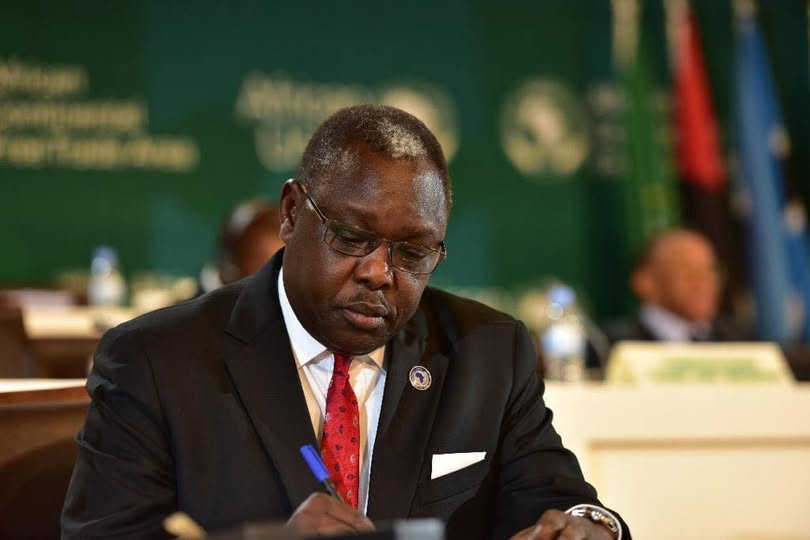

A U.S. federal court has sentenced South Sudanese academic and activist Dr. Peter Biar Ajak to 46 months in prison after convicting him on charges related to the illegal purchase and attempted export of weapons from the United States.
The sentencing, delivered on February 6, 2026, follows a prolonged and closely watched legal battle that drew international attention due to Ajak’s profile as a prominent civil society figure and outspoken critic of South Sudan’s leadership.
Prosecutors told the court that Ajak was involved in a scheme to procure military-grade firearms and export them to South Sudan in violation of U.S. export control laws and international arms embargoes.
The charges were brought under federal statutes governing illegal arms exportation and related conspiracies.
Ajak pleaded not guilty to the charges, which also included allegations that the weapons were intended to support efforts to destabilize or overthrow the government of South Sudan.
His defense argued that the case was politically motivated and disconnected from his long-standing advocacy for peaceful reform.
Although the court imposed a 46-month sentence, the judge credited Ajak for time already spent in federal custody during the legal proceedings.
As a result, he is expected to serve approximately 22 additional months about one year and ten months before becoming eligible for release.
Dr. Ajak, a former detainee of the South Sudanese government, fled the country years ago after experiencing arrest and alleged political persecution.
He later became active within South Sudanese diaspora networks in the United States, where he gained recognition as an academic and reform advocate.
The verdict has sparked debate among supporters and critics alike, with some viewing the conviction as a necessary enforcement of international arms laws, while others see it as a troubling outcome for a figure long associated with nonviolent political activism.
The case underscores the strict application of U.S. export laws and highlights the legal risks faced by foreign activists operating within American jurisdiction, regardless of their political background or public standing.