The South Sudan Opposition Movements Alliance (SSOMA) has formally rejected a proposed peace framework led by Kenya, saying it risks legitimizing the country’s political status quo rather than addressing the root causes of its decade-long conflict, according to a media report.
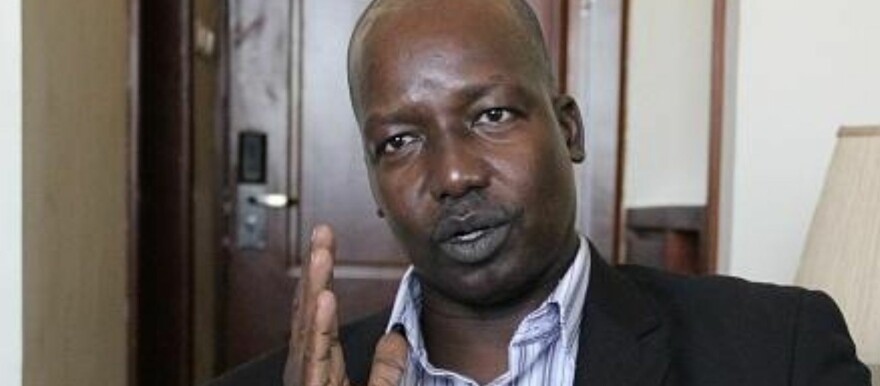
The alliance, led by General Thomas Cirillo, said in a position paper dated February 13 and addressed to Kenya’s chief mediator, Gen. Lazarus Sumbeiywo, that the proposed “National Consensus Charter Dialogue” under the Tumaini Peace Initiative is fundamentally flawed in both process and substance.
SSOMA argued that the initiative was developed without sufficient consultation with South Sudanese stakeholders and appears to predetermine both the agenda and the outcome of negotiations.
“The framework appears to predetermine the agenda, process and outcome,” the alliance said, warning that it limits genuine dialogue and confines parties to “externally pre-set parameters.”
SSOMA emphasized that prioritizing elections without first addressing underlying political and security issues could worsen instability. “Elections should be the outcome of peace, not a substitute for it,” the alliance said.
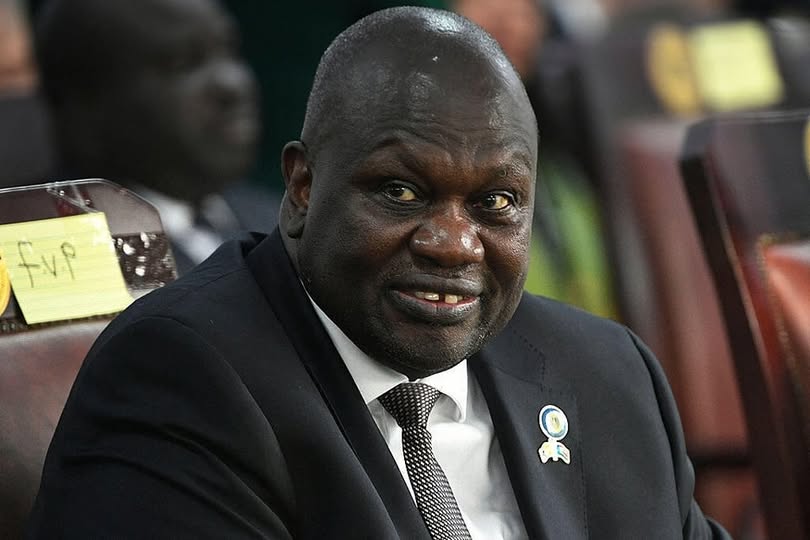
South Sudan, the world’s youngest nation, gained independence in 2011 but descended into civil war in 2013 following a political dispute between President Salva Kiir and his then-deputy, Riek Machar.
The alliance called for broad-based consultations involving political parties, civil society, faith leaders, women, youth, displaced communities, and other stakeholders before any framework is finalized.
It also proposed an inclusive roundtable conference aimed at negotiating a comprehensive peace agreement. Among its recommendations, SSOMA urged the immediate and unconditional release of political detainees, including First Vice President Dr. Riek Machar and his allies.
The alliance further recommended that mediation efforts involve regional and international actors, including the Intergovernmental Authority on Development (IGAD), the African Union, the United Nations, and Western partners.
SSOMA also stressed that peace talks should be held at a neutral venue agreed upon by all parties to ensure safety and prevent coercion.
South Sudan has repeatedly postponed elections, now scheduled for December 2026, citing incomplete security arrangements, the absence of a permanent constitution, and logistical challenges.
The proposed National Consensus Charter Dialogue is the latest attempt by the region to break persistent political deadlock in a country where violence, economic crisis, and humanitarian needs remain widespread despite the 2018 peace agreement.