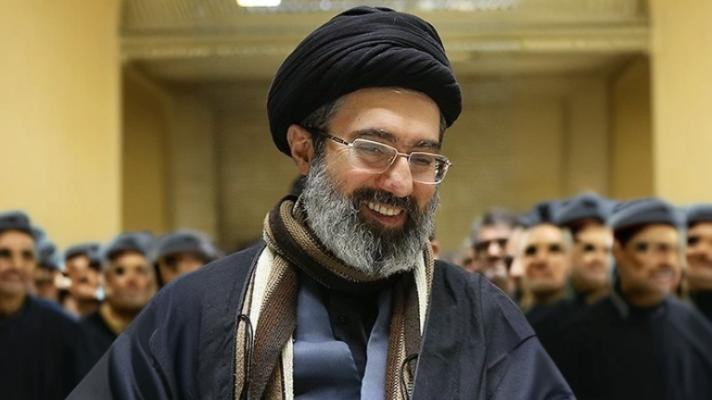
Iran’s clerical body, the Assembly of Experts, has named Mojtaba Khamenei as the country’s new Supreme Leader, following the death of his father, Ali Khamenei, who was killed in recent U.S.–Israeli strikes that escalated tensions across the Middle East.
The 56-year-old cleric becomes only the third Supreme Leader in the history of the Islamic Republic, succeeding his father who ruled Iran for more than three decades after taking power in 1989.
His appointment comes at a moment of intense regional conflict and internal uncertainty, as Iran faces ongoing military confrontation and growing international pressure.
The decision was made by the 88-member Assembly of Experts, the body responsible for selecting the country’s highest political and religious authority.
The council reportedly reached a decisive vote during an emergency session held days after the death of the elder Khamenei.
Mojtaba Khamenei has long been viewed as an influential figure within Iran’s political establishment despite rarely appearing in public or holding an official government position.
Over the years he developed close ties with the powerful Islamic Revolutionary Guard Corps (IRGC), which analysts say helped strengthen his standing among Iran’s conservative leadership.
His elevation is historically significant because it marks the first time since the 1979 Islamic Revolution that Iran’s leadership has effectively passed from father to son, raising debate among critics who argue that the move resembles dynastic succession in a system originally designed to reject monarchy.
Supporters within Iran’s ruling establishment, however, say Mojtaba represents continuity of the ideological path set by the founders of the Islamic Republic.
Senior clerics have urged the Iranian public and political elites to rally behind the new leader and maintain unity during what they describe as a critical moment for the nation.
International reactions have been swift. Western leaders and Israeli officials have criticized the appointment, warning that the leadership transition could further heighten tensions in the region.
Meanwhile, Iranian officials insist that the selection of the country’s leader is strictly an internal matter and reject any external influence over the process.
As Supreme Leader, Mojtaba Khamenei will hold ultimate authority over Iran’s military, judiciary, and key political institutions, making him the most powerful figure in the country.
His leadership is expected to shape Iran’s response to the ongoing conflict and determine the future direction of its relations with the West and the wider Middle East.
Many say the coming weeks will reveal whether the new leader consolidates support within Iran’s political and security institutions or faces internal and external challenges as the region remains on edge.