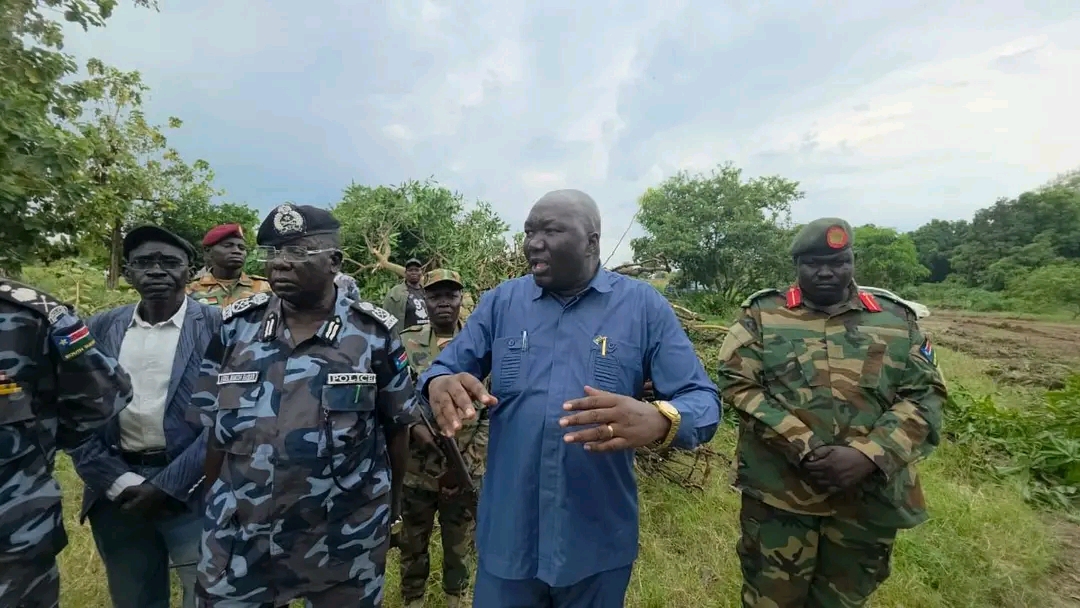
Authorities in Juba have intensified efforts to tackle mounting waste and sanitation challenges, launching a major clean-up campaign aimed at reducing public health risks as the rainy season approaches.
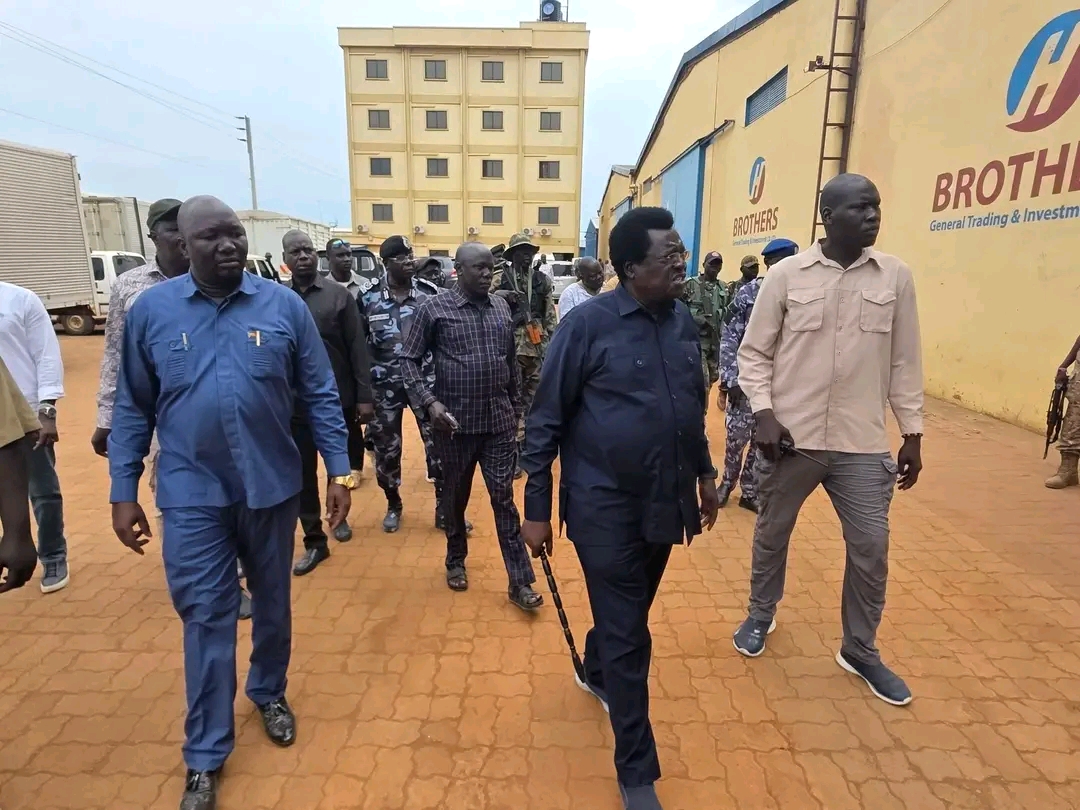
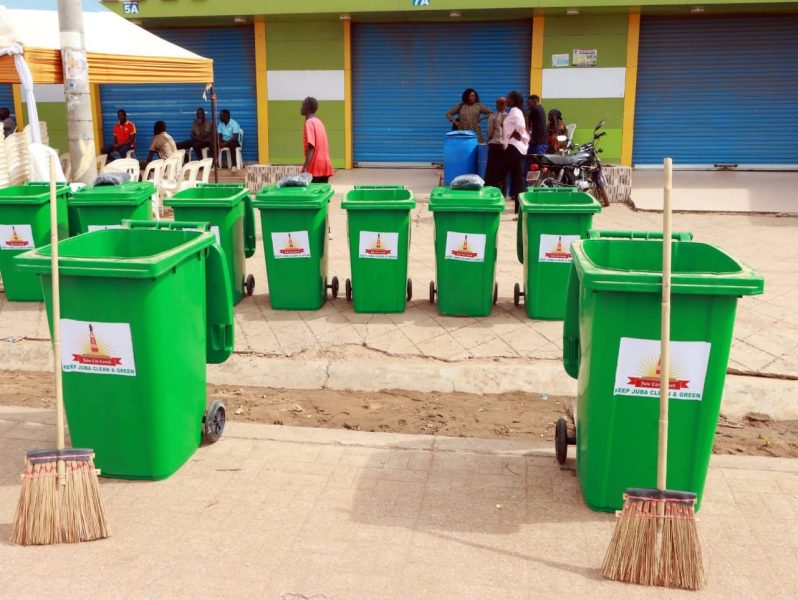
Central Equatoria State Governor Emmanuel Adil Anthony on Wednesday led the rollout of dustbins in Jebel Market, a key commercial hub identified as one of the city’s sanitation hotspots.
The initiative is part of the broader “Keep Juba Clean and Green” campaign, which targets both markets and residential areas, including nearby Gongworoki.
Speaking during the launch, Governor Adil said the distribution of dustbins is a critical step toward preventing disease outbreaks, warning that poor waste disposal could fuel the spread of illnesses such as cholera and malaria, particularly during the rains.
“These bins are essential for protecting public health,” he said, urging traders and residents to take responsibility for maintaining a clean environment.
To sustain the initiative, the governor directed the Department of Environment at Juba City Council to ensure regular waste collection, including the deployment of trucks to service key areas.
Traders have also been instructed to install dustbins at their premises, while quarter councils are expected to enforce sanitation regulations, with stricter penalties for those who fail to comply.
The campaign also addresses concerns beyond waste management. Responding to complaints from traders about multiple taxation, Governor Adil announced that all authorized revenue collectors will be required to wear official uniforms, a move aimed at curbing illegal collections and harassment.
Juba City Mayor Christopher Sarafino Wani said the city currently conducts more than 60 garbage collection trips daily, but acknowledged ongoing challenges, including rising fuel costs and rapid urban expansion.
He revealed that new bylaws will require every shop to maintain a dustbin and outlined plans for door-to-door awareness campaigns in local languages.
Acting Deputy Mayor for Environment Lual Joseph Deng cautioned residents against dumping waste into drainage systems, noting that the practice contributes to flooding and increases health risks during the rainy season.
Local officials also raised concerns about market encroachment and insecurity, calling for stronger enforcement and improved urban planning.
As part of the wider initiative, authorities announced plans for tree planting and road expansion projects, signaling a broader push to improve environmental management and infrastructure in the capital.
The campaign marks one of the most coordinated efforts in recent years to address Juba’s waste crisis, as officials race against time to mitigate the impact of seasonal rains on public health and urban living conditions.