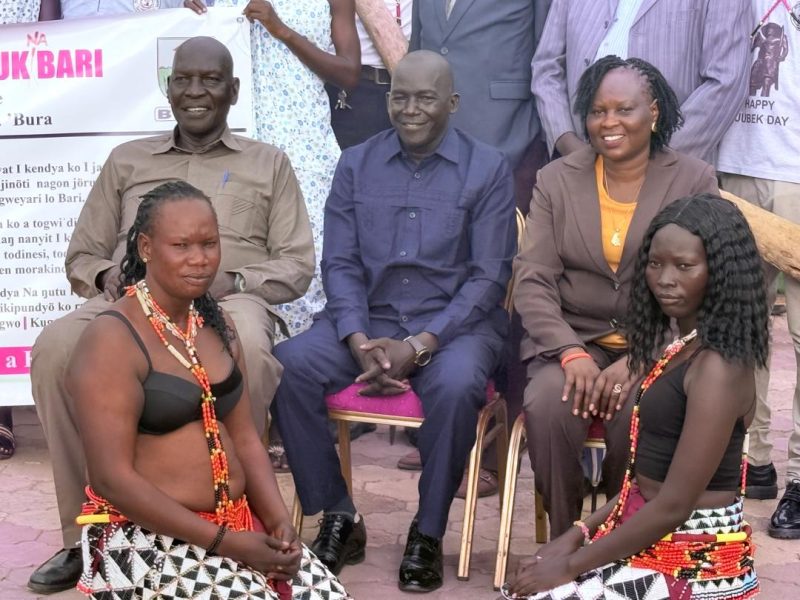
The Bari community in Juba has officially launched a major language revival program aimed at preserving and promoting the Bari language, amid growing concerns that younger generations are losing fluency in their mother tongue.
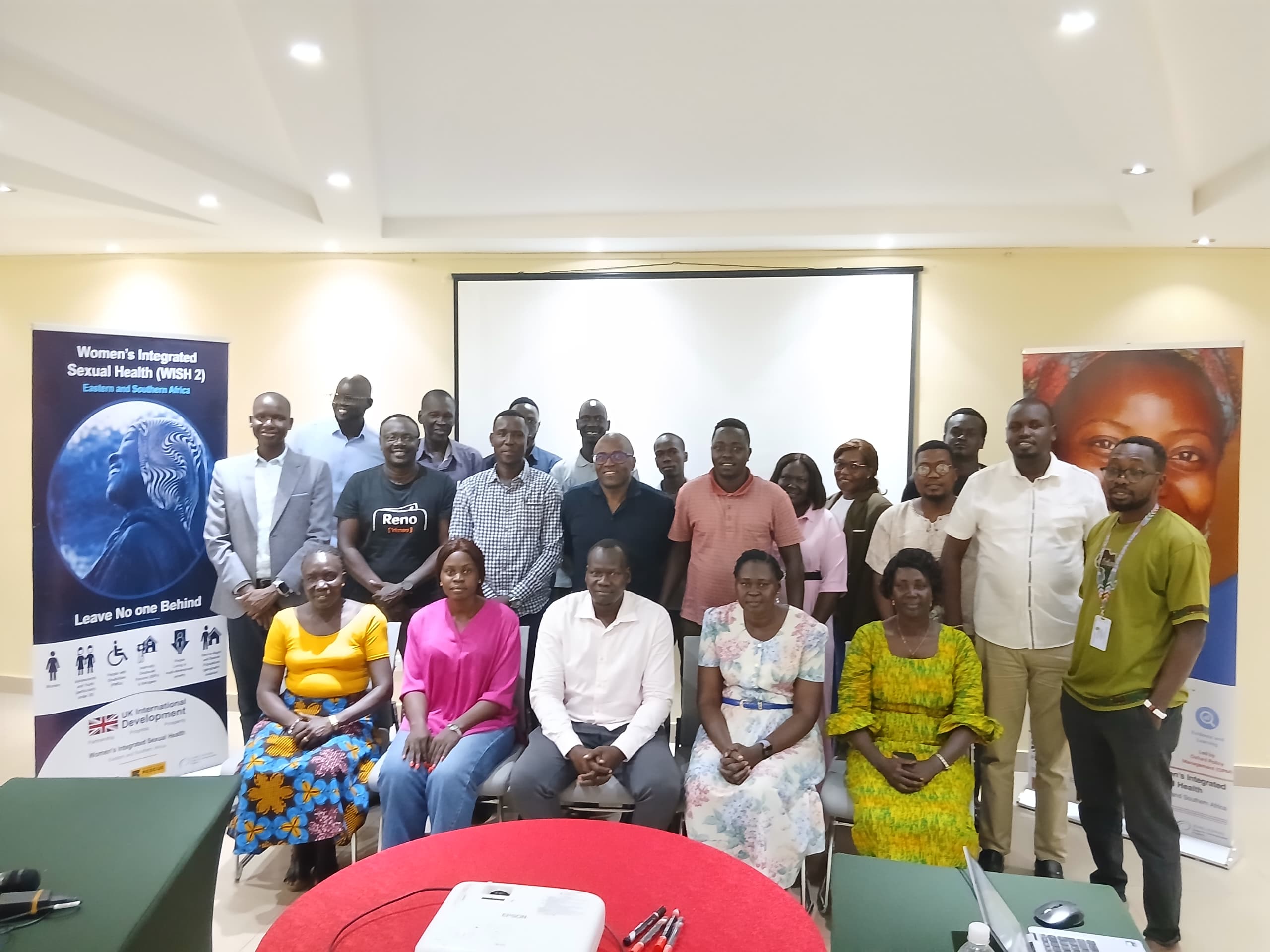
The initiative, unveiled at the Bari Community Centre, brought together top Bari leaders, elders, youth representatives, women, and government officials from both national and state levels, highlighting the broad support behind efforts to safeguard the community’s linguistic heritage.
Speaking during the launch, Central Equatoria State Member of Parliament Hellen Denya, Chairperson for Service and Members Affairs, described the initiative as a timely and necessary response to a cultural crisis facing the Bari people.
She emphasized that language is central to identity, warning that without deliberate action, the community risks losing an important part of its heritage.
Denya noted that rapid urbanization and the dominance of widely spoken languages such as Juba Arabic have contributed to the decline in Bari language use, particularly among children raised in the city and in the diaspora.
She urged parents to take responsibility by enrolling their children in the newly established centers and encouraging them to speak Bari at home.
“This program is not only about language, but about who we are as a people,” she said, calling on other communities across South Sudan to emulate the initiative in preserving their own languages.
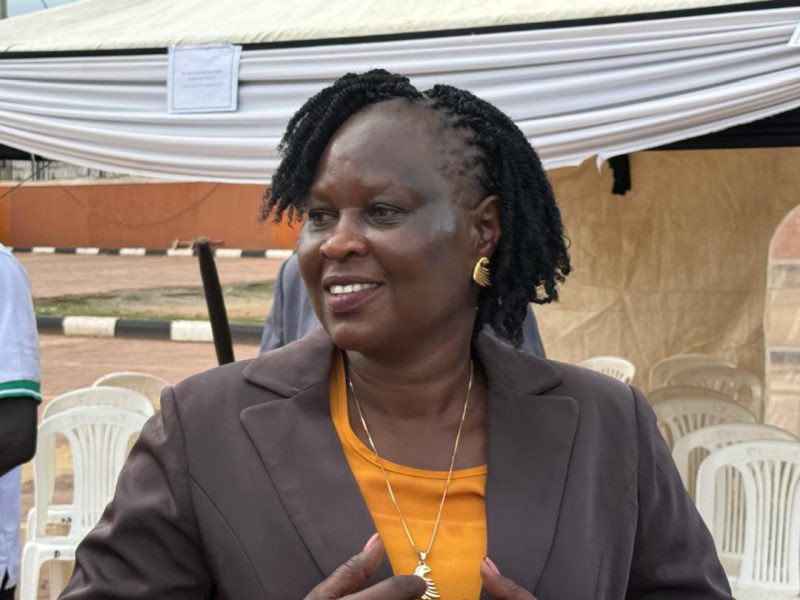
The program will operate on a voluntary basis, with trained instructors offering lessons to both beginners and adults who may speak the language but lack reading and writing skills.
According to lawmaker Denya, the initiative targets a wide age group, including young learners and individuals above 18 years who want to reconnect with their linguistic roots.
Several teaching centers have already been established across Juba, including at the Bari Community Centre, St. Joseph Secondary School, Rejaf Diocese, Munuki, and other parish-based locations.
These centers will serve as hubs for structured language instruction, with plans to expand outreach through radio awareness campaigns.
Community leaders say the program is already gaining momentum, with volunteer teachers having completed orientation training ahead of the official rollout.
Learners will undergo structured lessons and are expected to graduate upon completing the required curriculum.
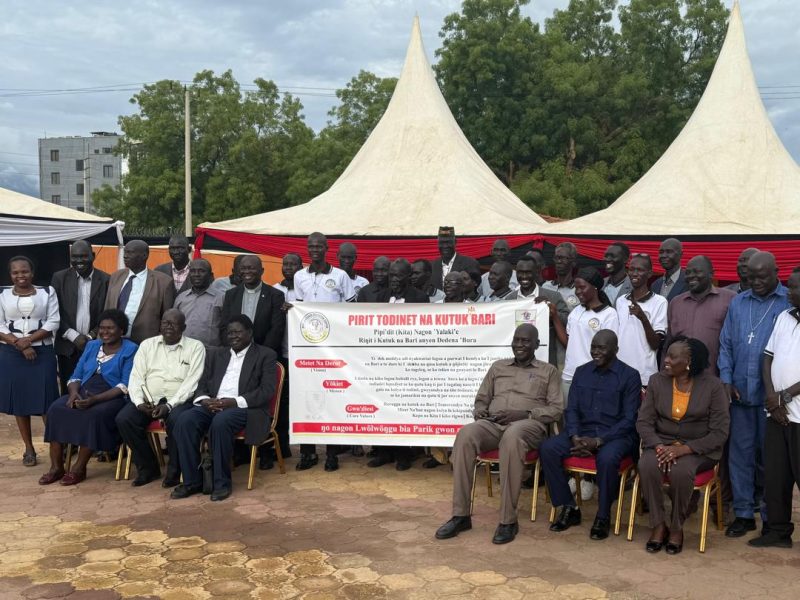
During the launch, the leadership and members of Lagnet Na Togeleng Na Bari pledged full support to the Bari Language Revitalization Project Committee under the Bari Language Educational Center.
Chairperson Ecolite Primo Wani Lopitya reaffirmed the association’s commitment to the project’s goals, mandate, and long-term vision, noting that the group has historically played a key role in promoting Bari language education.
Wani highlighted that the association has been actively involved in language teaching efforts since 2014, and stressed that Bari remains a recognized national language that should be taught in schools across Central Equatoria State.
The community say one of the key challenges facing the Bari language is the shift by many parents especially in urban areas to communicate with their children in Juba Arabic instead of their native language.
This trend, they say, has significantly contributed to the erosion of fluency among younger generations.
However, community members remain optimistic that the revival program will reverse this trend by creating accessible learning spaces and fostering pride in cultural identity.
The initiative is seen as a critical step toward safeguarding the language for both present and future generations.
Its primary objective is to preserve and promote the Bari language, ensuring its continued relevance in a rapidly changing social environment.
Community leaders believe the project will not only strengthen cultural heritage but also deepen the sense of identity and belonging among Bari people.
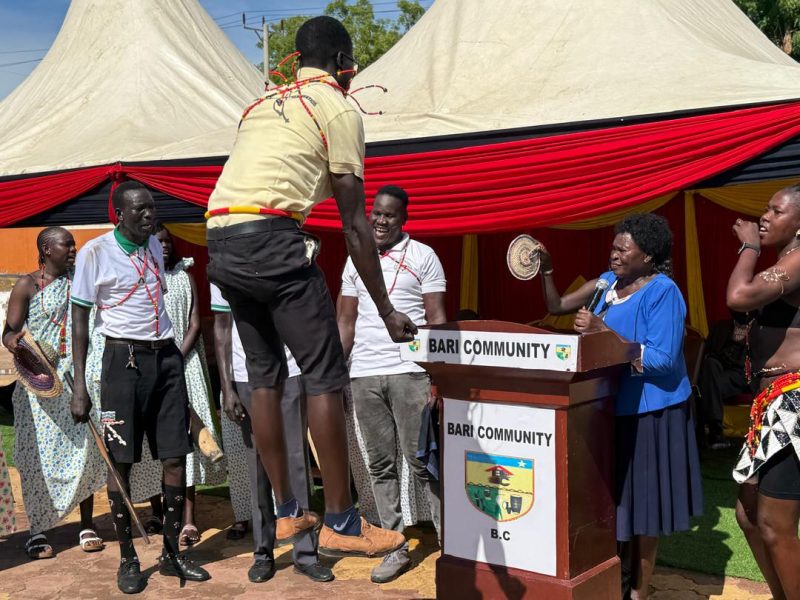
By revitalizing the language, the community aims to protect its rich traditions, customs, and history, ultimately contributing to long-term social and cultural sustainability.
The launch marks a significant milestone in ongoing efforts to keep the Bari language alive, with particular focus on empowering the youth to embrace and carry forward their linguistic heritage.