Medical charity Médecins Sans Frontières (MSF) has issued an urgent appeal for humanitarian intervention in Nyatim, a remote area in Jonglei State, warning that dozens of displaced people are dying as aid agencies remain unable to access the area.
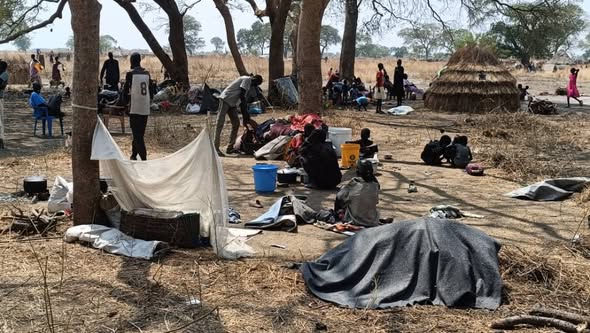
In a statement released on Monday, MSF described a rapidly deteriorating humanitarian situation in Nyatim, located in Nyirol County, where an estimated 30,000 people have fled recent violence in Lankien and Pieri.
The displaced are now sheltering in the open, many under trees near swampy terrain, with little to no access to food, safe drinking water, or basic medical care.
According to MSF staff and testimonies from survivors who managed to escape, at least 58 people have died over the past four weeks.
The organisation said the death toll is likely to rise as many people remain trapped without assistance.
“People are dying of suspected hunger, as their only food is boiled tree leaves,” said Gul Badshah.
He added that around a dozen children are believed to have died from acute watery diarrhoea and suspected malaria, underscoring the severity of the health crisis.
MSF said the majority of those stranded in Nyatim are among the most vulnerable, including women, children, the elderly, and the sick.
Many are too weak or lack the means to travel further in search of safety.
The organisation also raised alarm over ongoing insecurity in the area, reporting incidents of violence and abductions by armed groups. At least 10 people have reportedly been abducted, including a breastfeeding mother who was shot dead.
Survivors who reached safer areas described harrowing conditions and daily loss of life. Some walked for days to reach Chuil, approximately 50 kilometres away, risking further attacks along the way.
“We adults try to be strong, but the children die in front of our eyes. Sometimes children watch their mothers or fathers die,” said Nyaluat, a displaced woman who fled to Chuil. “This was happening every day in Nyatim. If you survive, you survive. If you die, you die.”
Another survivor, Nyapini, said people were dying from a combination of hunger, illness, and violence while searching for food.
“The truth is that people are dying there. Some die from sickness, some from hunger, and some are killed when they go to collect wild fruits or water lilies,” she said.
MSF stressed that thousands remain effectively trapped in Nyatim, unable to leave due to exhaustion, insecurity, and lack of transport.
“Even if they want to leave, the vast majority do not have the means,” Badshah noted.
The organisation said it has been requesting access to Nyatim for the past month without success, and called on relevant authorities to immediately allow humanitarian agencies to deliver life-saving assistance.
MSF also urged the international community, including United Nations agencies and diplomatic missions, to intervene and help secure safe and unhindered access to the affected population.
At the time of publication, authorities had not issued any response to the allegations of blocked access.
Meanwhile, MSF said its teams are scaling up emergency operations in nearby Chuil, where at least 25,000 people displaced by the violence have sought refuge along the Sobat River.
Health facilities in the area have been upgraded to provide emergency medical care, including treatment for malnutrition, maternal health services, and trauma stabilisation.
The organisation added that relief supplies have already been distributed to more than 1,500 families, with additional aid planned. Efforts are also underway to improve water and sanitation, including the construction of latrines and installation of water purification systems.
Despite these interventions, MSF warned that without immediate access to Nyatim, the humanitarian situation could deteriorate further, putting thousands more lives at risk.