Members of the deaf community in Wau are calling for urgent, practical support to address persistent barriers in education, healthcare, and access to justice, even as new investments aimed at promoting inclusion begin to take shape across Western Bahr el Ghazal State.
Community leaders say recent developments including the construction of disability-friendly centers and offices signal long-overdue recognition of persons with disabilities.
However, they caution that infrastructure alone cannot guarantee meaningful inclusion without essential services such as sign language interpretation, specialized training, and policy enforcement.
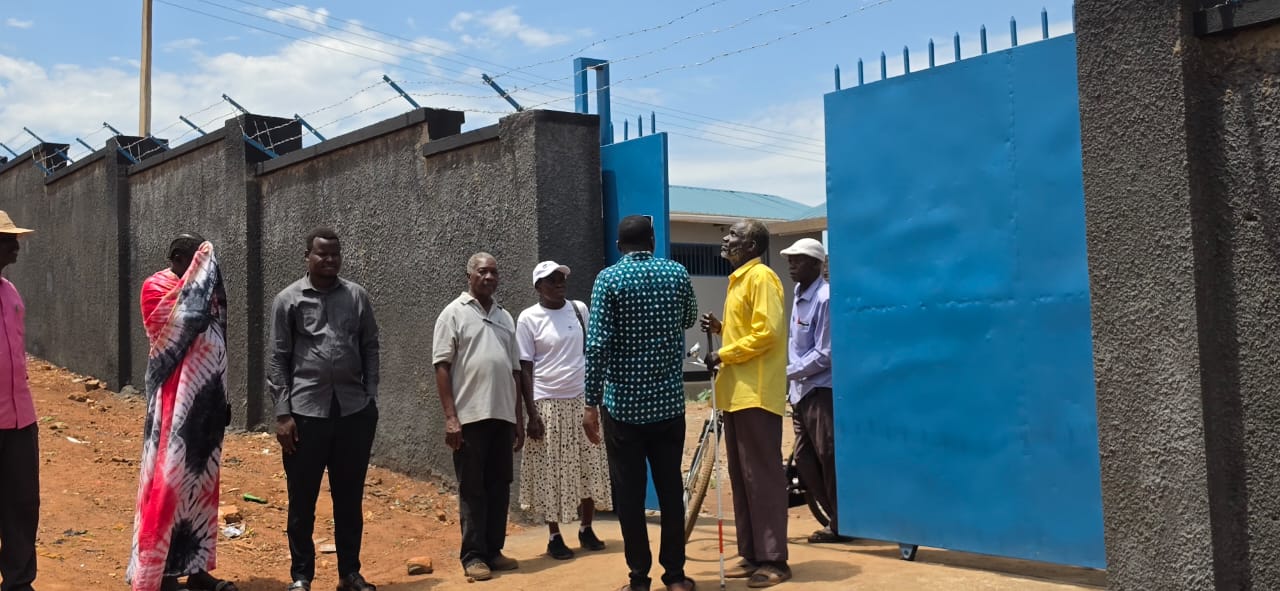
John Akot, Chairperson of People Living with Disabilities in Western Bahr el Ghazal State, welcomed the establishment of a new office supported by the International Organization for Migration (IOM), describing it as a significant milestone for visibility and coordination.
“I never expected that one day we would have a place like this,” Akot said during a recent media visit. “We are very happy, and we thank those who came to listen to our voices.”
Despite the optimism, Akot stressed that persons with hearing impairments remain largely excluded from critical public services due to communication barriers.
In schools, deaf learners face significant challenges keeping up with lessons, as most institutions lack trained sign language interpreters and teachers equipped with inclusive teaching skills.
As a result, many children either fall behind academically or drop out altogether.
“When a child with hearing impairment goes to school, they cannot understand anything because there is no interpreter,” he explained. “Education becomes meaningless without communication.”
Healthcare services present even more serious risks. Deaf patients often struggle to explain symptoms or understand medical instructions, increasing the likelihood of misdiagnosis, delayed treatment, and preventable complications.
“In critical situations, like childbirth, communication becomes a serious problem,” Akot added. “This can put lives at risk.”
Similar obstacles persist within the justice system, where deaf individuals frequently encounter difficulties reporting crimes, giving statements, or defending themselves in police stations and courts.
Without interpreters, many cases go unheard or unresolved.
“Sometimes they are ignored because they have no voice,” Akot said.
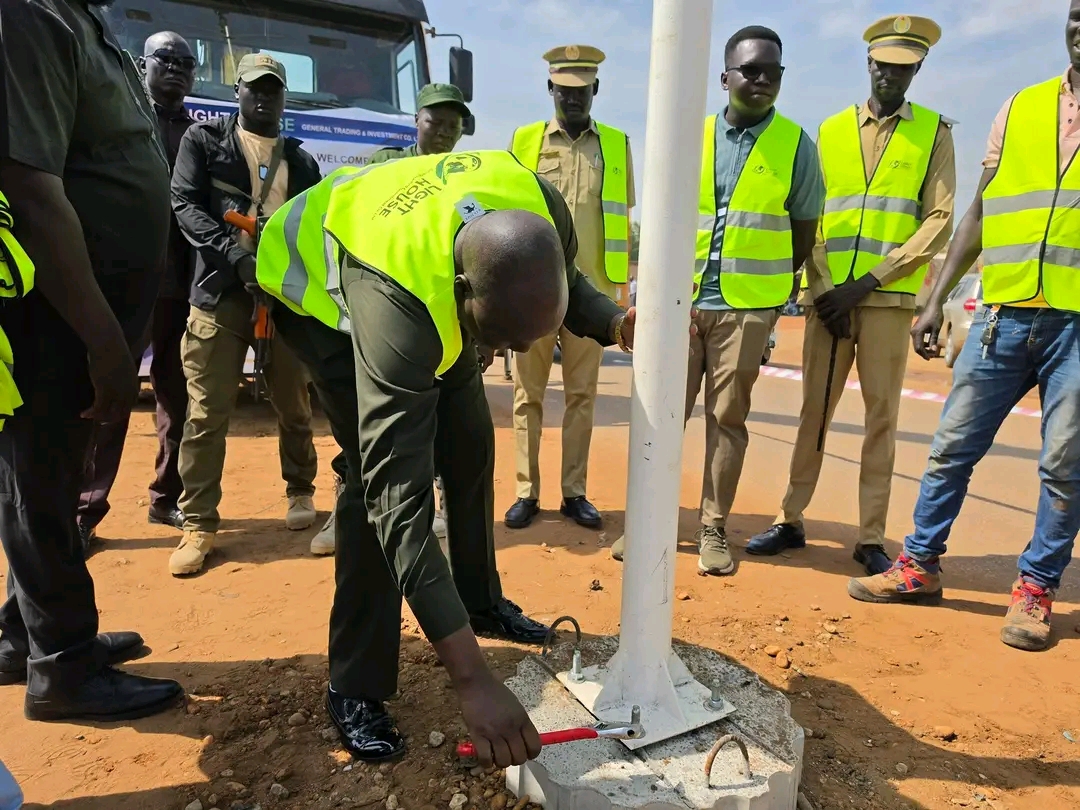
These concerns come at a time when broader inclusion efforts are gaining momentum in the state. A World Bank-supported initiative under the Enhancing Community Resilience Project (ECRP) is expanding infrastructure, including water yards, multi-purpose community centers, and facilities designed to support vulnerable groups.
Among the notable developments is the Hyderabad Disability Centre, which provides a dedicated space for training, social interaction, and community engagement, particularly for persons with disabilities.
The center is expected to play a key role in empowering individuals and strengthening local support networks.
Susan Afisa Isaac, National Operations Officer for the Enhancing Community Resilience Project, said the initiative reflects a commitment to ensuring that development efforts benefit all members of society.
“This facility represents our commitment to social inclusion, ensuring that persons with disabilities have access to safe spaces where they can meet, learn, and participate in community life,” she said.
At the grassroots level, additional efforts are also underway. In Hai Jebel, a community center supported by IOM is fostering interaction between youth and persons with disabilities, helping to break down stigma and promote social cohesion.
Youth representative Justin Paulino Salih said the center has created opportunities for shared learning and mutual support.
“This is a place where we can come together and support each other,” he said. “It helps build understanding between different groups in the community.”
While these initiatives have been widely welcomed, community leaders emphasize that the next phase must focus on practical solutions that directly address daily challenges faced by the deaf population.
Stakeholders are calling for increased investment in training sign language interpreters, integrating inclusive education into school systems, equipping healthcare workers with communication tools, and ensuring that legal institutions can accommodate persons with hearing impairments.
They also stress the importance of raising public awareness about disability rights and promoting policies that protect and empower persons with disabilities.
“Training alone is not enough we need practical support that changes lives,” one community representative noted.
As inclusion efforts continue to expand, advocates say the true measure of progress will be whether services become fully accessible to all, regardless of ability.
For Wau’s deaf community, the message is clear: recognition is a start, but real inclusion requires action that can be seen, heard, and felt in everyday life.