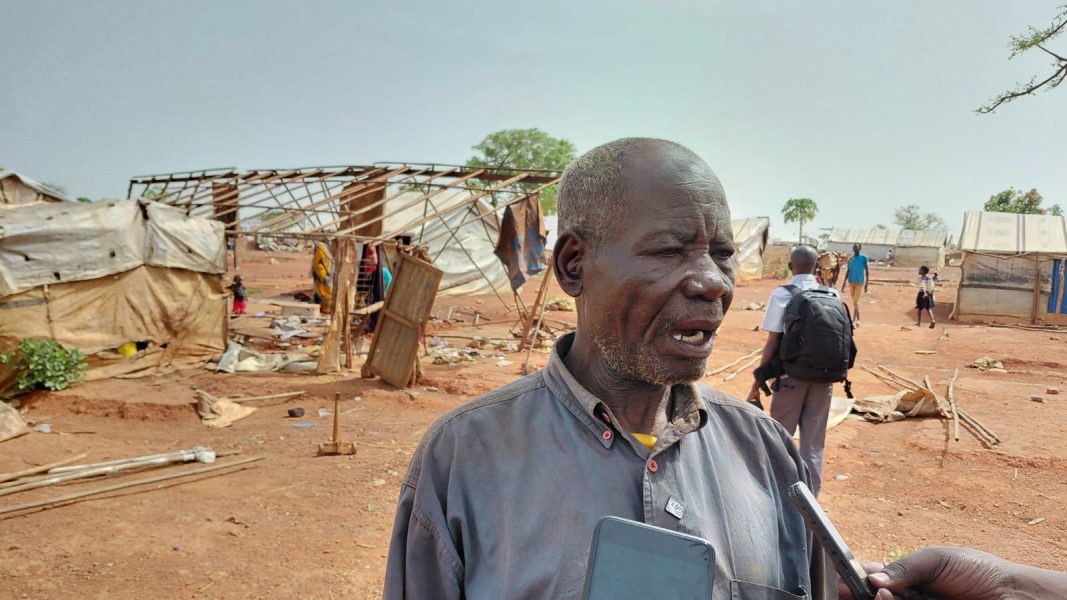
In the quiet outskirts of Khor Malang in Jur River County, a new chapter is unfolding one defined not by displacement, but by renewal. What was once untouched forest land is steadily transforming into an organized settlement, offering a tangible future for hundreds of families who have spent years trapped in uncertainty.
At the center of this transformation is a government-led Housing, Land and Property (HLP) Durable Solutions Project, a bold initiative aimed at moving beyond temporary humanitarian fixes toward permanent resettlement.
Backed by partners including the International Organization for Migration and other UN agencies, the project represents one of the most ambitious efforts in South Sudan to fully close an internally displaced persons (IDP) camp through a single, coordinated intervention.
Unlike traditional displacement responses that often stretch over many years, the Khor Malang initiative is designed to deliver results within a defined timeframe integrating humanitarian assistance with long-term development planning.
The goal is not only to relocate families from the former Naivasha camp in Wau, but to restore dignity, stability, and a sense of belonging.
“This Durable Solutions Project was designed to achieve full camp closure within one project,” said Keshav Agarwal, Programme Officer at the International Organization for Migration. “Most closures take years of coordinated efforts. This was ambitious, but necessary.”
Launched in 2022, the project initially faced setbacks, particularly around land access. Progress stalled until early 2024, when sustained dialogue between displaced communities, local leaders, and host populations led to a breakthrough agreement securing Khor Malang as a resettlement site.
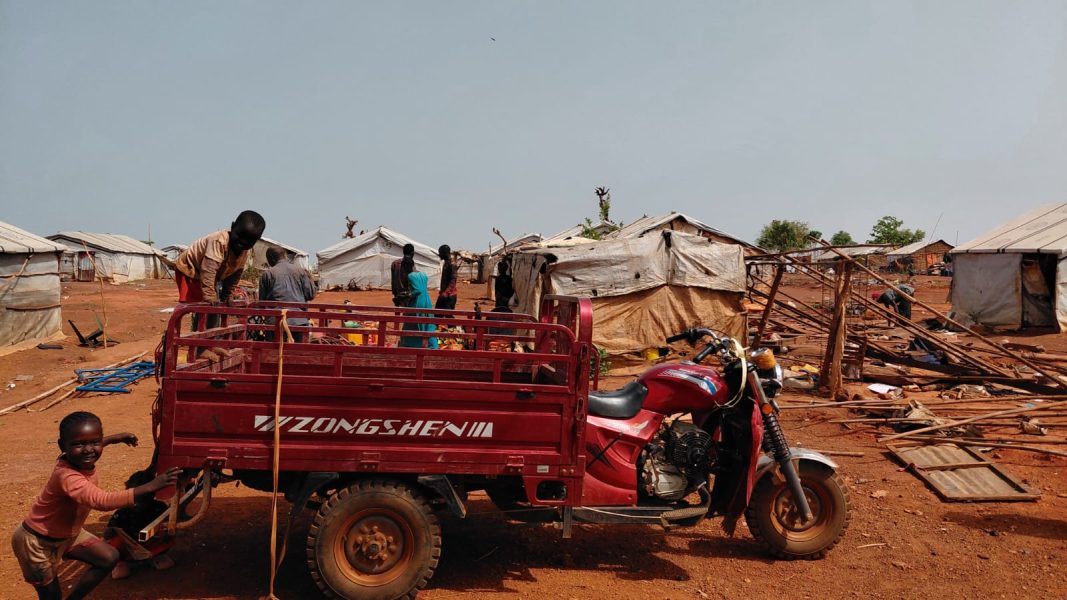
That agreement laid the foundation for what is now being seen as a model of collaboration and conflict-sensitive planning.
Coordination has been critical to the project’s momentum. Through an area-based approach led by the United Nations Resident Coordinator’s Office, humanitarian, development, and peacebuilding actors have aligned their efforts to support government leadership and ensure that the settlement meets standards required for long-term sustainability.
“The Area-Based Coordination platform brings together humanitarian, development, and peace actors to support government efforts,” explained Nikola Duvnyuk, Area-Based Coordinator for Western Bahr el Ghazal. “It ensures that resettlement meets minimum standards required for permanent settlement.”
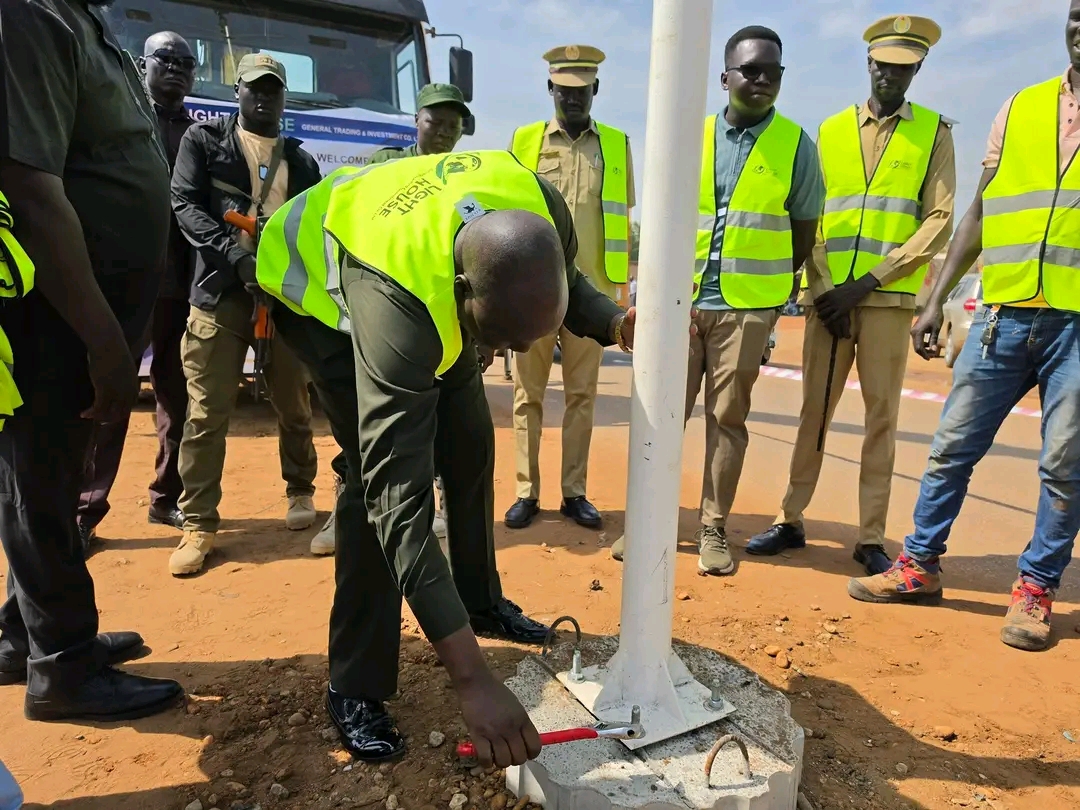
On the ground, the impact is increasingly visible. Access roads have been opened, land parcels demarcated, and essential infrastructure established.
The once-remote landscape is evolving into a functioning community. Around 500 workers drawn from both displaced and host populations have participated in cash-for-work programs, providing income while accelerating construction.
So far, approximately 750 households have relocated to Khor Malang. In a deliberate effort to promote coexistence, 1,000 plots have been allocated to displaced families and an additional 800 to members of the host community an approach designed to prevent segregation and reduce the risk of future tensions.
“We did not want to create another camp,” Agarwal noted. “This is an integration model where communities live side by side.”
A major milestone came with the official handover of homes, marked by the symbolic distribution of keys to resettled families. For many, the moment represented more than a logistical step it was a turning point.
“Today’s handover of keys is not just a ceremony,” said Arop Mathiang Amiyock of the Relief and Rehabilitation Commission (RRC). “It marks the real beginning of solutions reintegration, resettlement, and recovery. These keys open doors to safety, dignity, and a chance to rebuild livelihoods.”
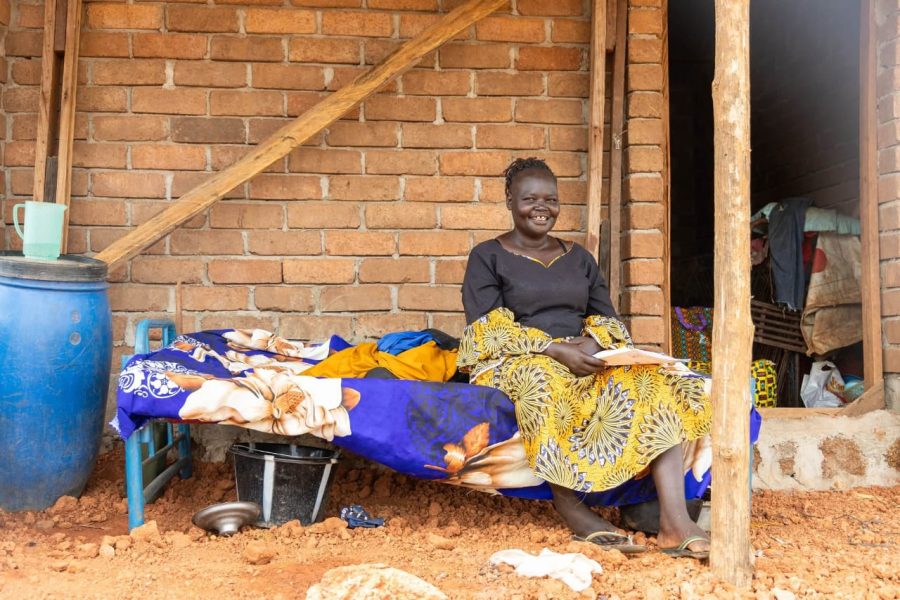
For beneficiaries like Lino Lual Uyu, the change is deeply personal. After years of hardship in the Naivasha camp, the transition to Khor Malang has brought a renewed sense of security and independence.
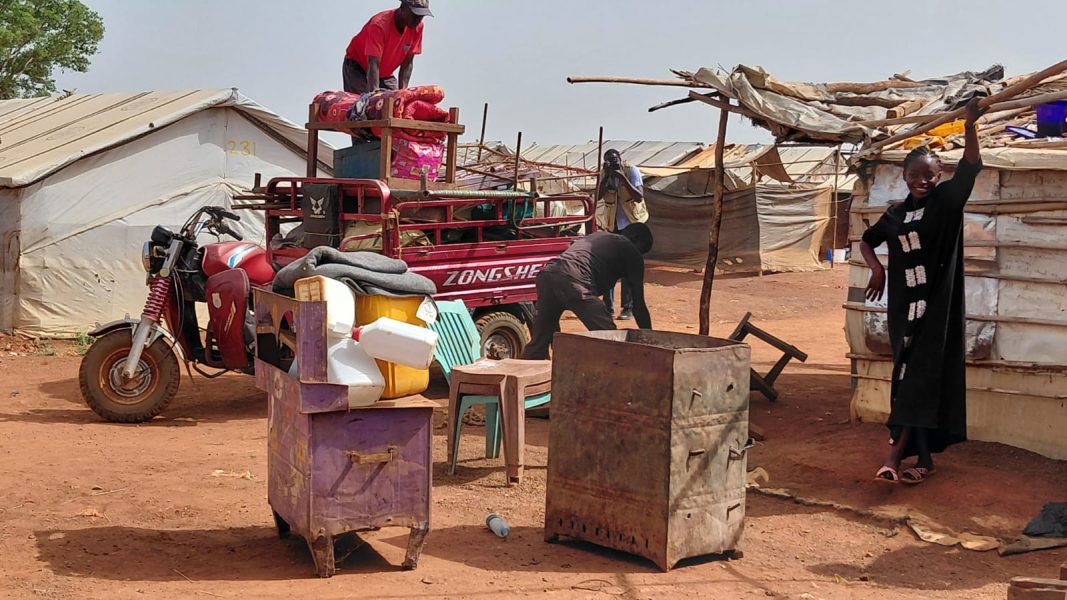
“Life in Naivasha was very difficult,” he said. “Now I have my own home. I feel safe.”
Despite the progress, challenges remain. While land and housing provide a critical foundation, the long-term success of the settlement depends on sustained access to essential services such as education, healthcare, water, and security.
Experts warn that without these, the promise of durable solutions could falter.
“Without services like schools, roads, and security, communities cannot thrive,” said Rophina Benjamin Taman, a Land Registrar involved in the project.
Even so, Khor Malang is already being viewed as a promising blueprint for addressing protracted displacement in South Sudan.
By combining government leadership, community engagement, and coordinated international support, the initiative demonstrates that lasting solutions are achievable.
As the country continues to grapple with one of Africa’s most complex displacement crises, the story of Khor Malang offers a rare but powerful sense of direction one where hope is no longer abstract, but built into the foundations of a new community.
“Durable solutions are not just possible,” Agarwal said. “They are overdue.”