South Sudan’s peace monitoring body has called on lawmakers to take a firm stand against any unilateral alterations to the country’s fragile peace agreement, warning that such actions could erode trust and jeopardize the path toward elections in 2026.
In its January–March 2026 report, the Reconstituted Joint Monitoring and Evaluation Commission (RJMEC) urged the Transitional National Legislative Assembly (TNLA) to take a leading oversight role in protecting the peace agreement and ensuring its provisions are upheld.
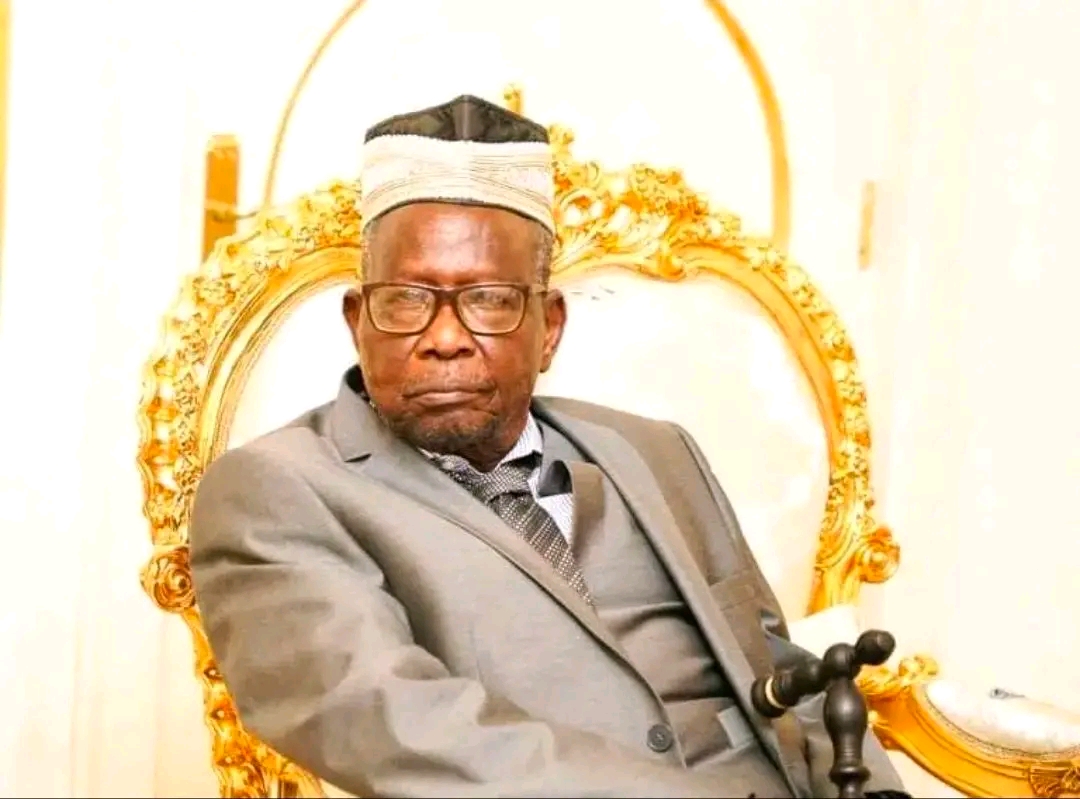
Led by Interim Chairperson Amb. Maj. Gen. George Aggrey Owinow (rtd), RJMEC stressed that Parliament must ensure any amendments to the peace deal are not made unilaterally.
He said, “any proposed amendments to the R-ARCSS are subjected to broad, inclusive consultation involving all signatory parties, stakeholders, and guarantors.”
The Commission further cautioned lawmakers to resist actions that could weaken the agreement, stating that the TNLA “should guard against unilateral actions that risk undermining the integrity and core commitments of the Agreement, particularly those relating to political inclusivity and elections.”
The warning comes as the report paints a worrying picture of the peace process, describing implementation as “slow, fragile and uneven,” with progress hampered by continued violations, lack of trust among the parties, and funding constraints.
RJMEC also underscored the urgency of addressing political tensions through dialogue, urging lawmakers to back efforts aimed at breaking the current deadlock.
It called for “an all-inclusive political dialogue aimed at de-escalating tensions and addressing the prevailing political impasse.”
On the electoral process, the Commission pressed Parliament to act swiftly, recommending that it “prioritize the passage of election-related legislation and ensure adequate budgetary allocations to the National Elections Commission to enable timely and credible preparations.”
Beyond legislative duties, the report encourages the TNLA to expand its oversight role, particularly on humanitarian issues.
Lawmakers are urged to ensure “improved protection of civilians and humanitarian access,” while also fast-tracking key laws such as the NGO Amendment Bill to create an enabling civic space ahead of the polls.
The report warns that continued ceasefire violations, delays in security arrangements, and slow reforms in governance and justice sectors are placing the peace process under “significant strain,” adding that these challenges are “eroding public confidence and heightening the risk of further instability.”
In its concluding remarks, RJMEC calls for renewed commitment from all parties, stressing the “urgent need… to recommit to the full implementation of the R-ARCSS, halt hostilities, and engage in inclusive dialogue.”
The Commission reaffirmed its mandate to continue monitoring and supporting the peace process, urging both national leaders and international partners to intensify efforts to preserve stability and steer the country toward a peaceful and democratic transition by the end of 2026.