One in three children screened in parts of South Sudan’s border region is malnourished, UNICEF has warned, as overstretched nutrition services struggle to cope with a rising influx of people fleeing conflict in neighboring Sudan.
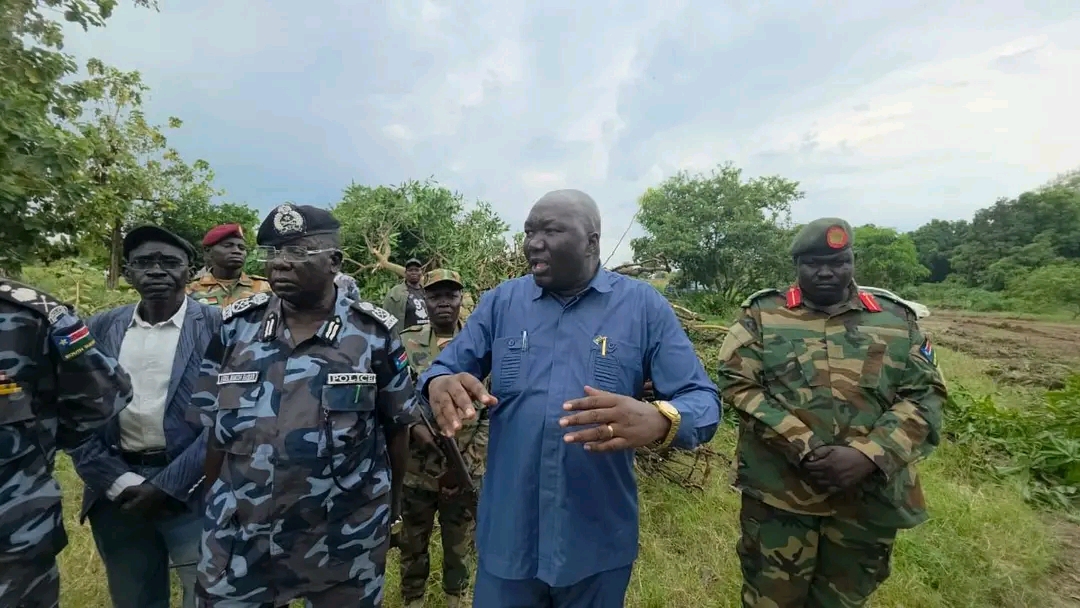
Health workers in Renk County, Upper Nile State, say children and mothers escaping war are now facing a second crisis, hunger, disease, and unsafe water, in overcrowded settlements and transit centers.
“The number keeps growing,” said Jansuk Alex, a UNICEF nutrition specialist based in Renk County. “Previously, the facility was designed to serve the host community. But with the arrival of returnees and refugees, the numbers continue to rise.”
He said screenings in some locations show that one in three children is malnourished, including severe cases that require immediate treatment.
“That means malnutrition in the transit centre and in Abukadra is becoming a bigger issue for us,” he added.
In Abukadra, a settlement centre in Renk County, services originally designed for a smaller local population are now under strain from refugees, returnees, and families relocated from congested transit centers.
The nutrition response there is supported by the European Commission’s humanitarian aid department (ECHO) through UNICEF and implemented by Community in Need Aid (CINA).
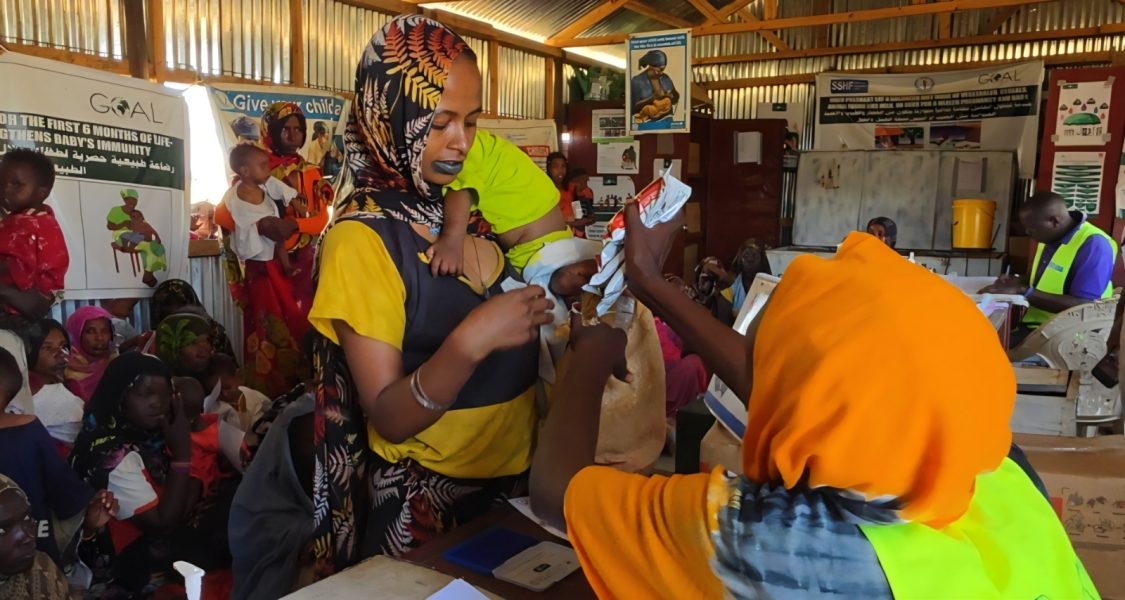
At a local primary healthcare unit, around 50 children with severe acute malnutrition and up to 100 with moderate acute malnutrition are treated each month, according to UNICEF. More than 150 pregnant and breastfeeding women are also enrolled in feeding programs.
“We need to maintain these services and even expand them to reach more children,” Alex said.
GOAL, another humanitarian partner working in the area, said it had sharply expanded its operations since the Sudan conflict began.
“Currently, GOAL is operating in 21 health facilities across Renk County,” said Robert Richardson, the organization’s Health and Nutrition Program Officer. “When we started, there were only 10 nutrition facilities. But due to growing demand and the need to ensure wider coverage, we have scaled up to 21.”
Some of the newer facilities are located in Omdulus, Gombar, and Atam, areas hosting returnees and refugees in informal settlements.
Richardson said the transit center is experiencing particularly high caseloads.
“On average, we admit about 10 to 15 children with severe acute malnutrition each day at the transit centre,” he said. “We also see between 15 and 20 cases of moderate acute malnutrition daily.”
He added that children with complications are referred to stabilization centers, where doctors, clinical officers, and nurses provide intensive care.
However, aid workers say food shortages remain the main driver of malnutrition.
“The biggest problem at the household level is food insecurity,” Alex said. “Without adequate food, the health of both mothers and children quickly deteriorates.”
Poor sanitation and limited access to clean water are further worsening the situation, exposing children to diseases such as diarrhea, which can rapidly aggravate malnutrition.
“Water is life,” Alex said. “Without it, conditions become very difficult.”
Richardson noted that water trucking at the transit center is no longer sufficient to meet the needs of the growing population.
“The population is increasing, but the amount of water being trucked in is not enough,” he said. “If this continues, it will inevitably lead to diseases like diarrhea.”
In Chimedi, another area receiving displaced families, residents are relying on unsafe water sources also used by animals, he added.
“If nothing is done, we are likely to see a rise in waterborne diseases,” Richardson warned.
The crisis is also being compounded by delays in relocating families from transit centers, where many remain for months instead of days. As food supplies dwindle, children become weaker and more require treatment.
In the Renk transit center alone, more than 350 children and 250 mothers are treated for malnutrition each month, according to UNICEF.
Current funding is only secured through the end of the year, raising concerns about what will happen next.
“If we don’t receive additional funding, more children will become severely malnourished, their conditions will worsen, and it will ultimately lead to deaths,” Alex warned.
Richardson echoed the concern.
“If support is not sustained or scaled up, the rate of acute malnutrition will continue to rise,” he said. “We could see it reach critical levels.”