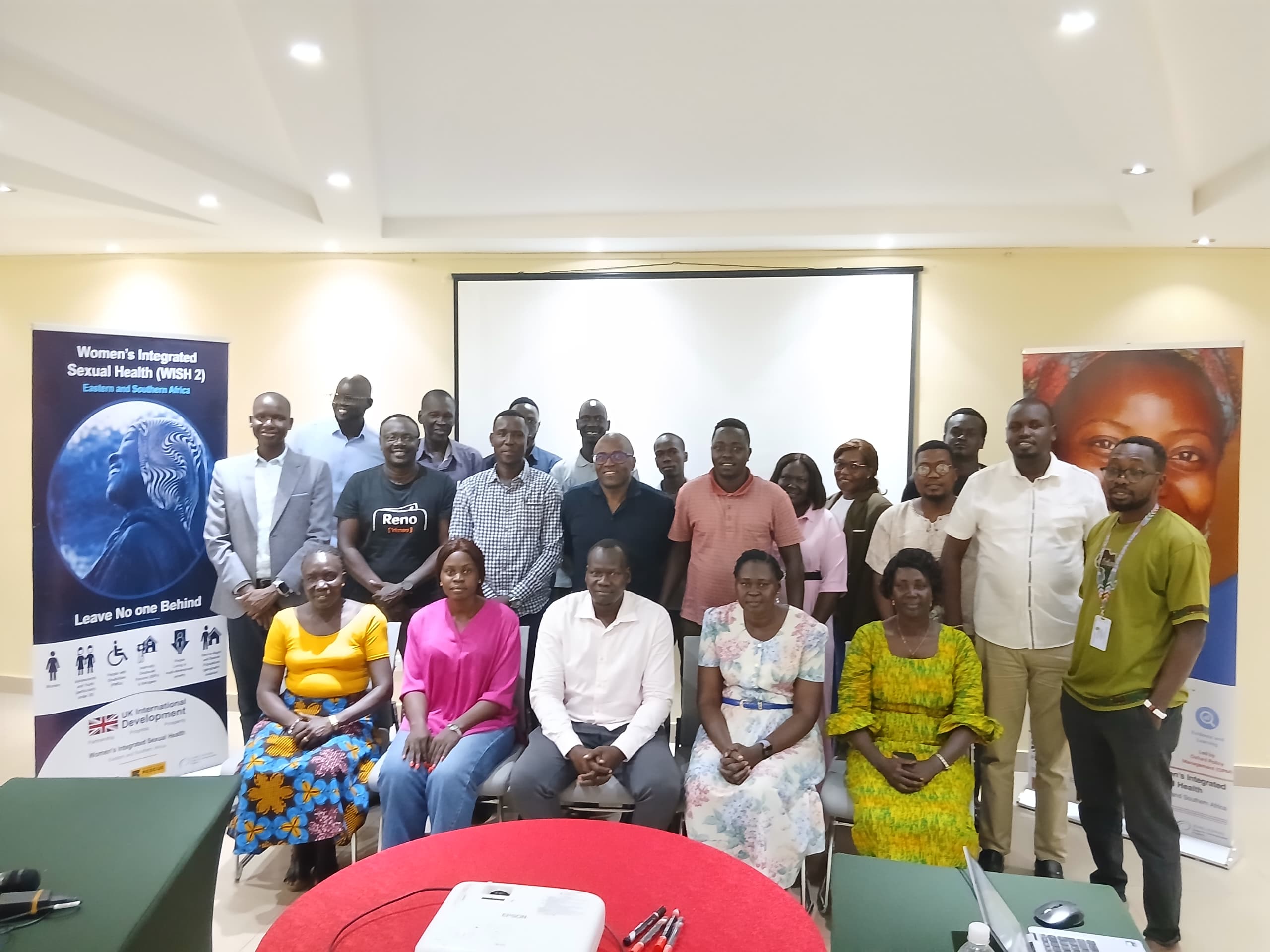
The Government of South Sudan has renewed its call for stronger policy implementation and grassroots engagement to advance gender equality, as stakeholders officially launched a new women’s empowerment and protection project in Juba.
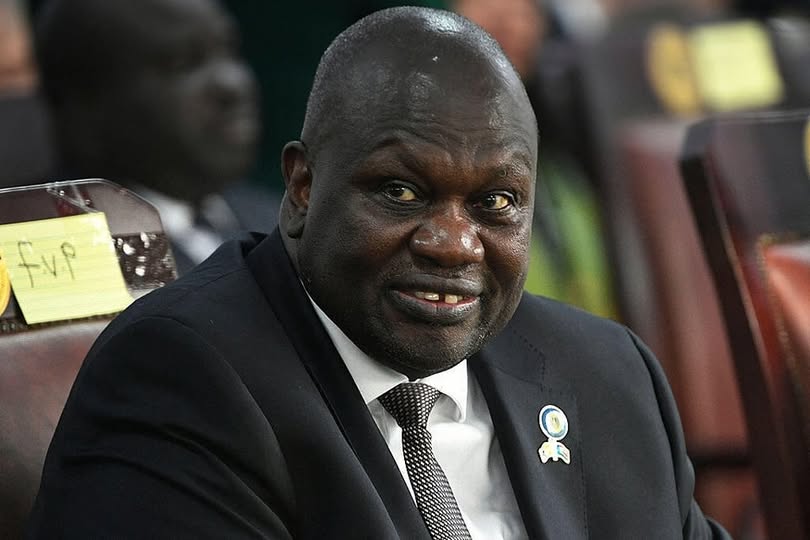
Speaking during the inception meeting held in Juba, Nuna Rhoda Rudolf Ndefu, Minister of Gender, Child and Social Welfare, emphasized that meaningful progress in women’s rights requires both institutional commitment and active participation at the community level.
She underscored the importance of inclusive approaches that bring men into the conversation, noting that gender equality cannot be achieved in isolation.
“We should not leave men behind. We should work together and initiate our programs so that they support our agenda,” she said, stressing that shared responsibility between women and men is essential to sustainable change.
The Minister further highlighted the role of policy frameworks in driving long-term impact, pointing to the long-delayed Family Law as a critical tool in strengthening legal protection and clarifying roles within households.
“The Family Bill will give rights to women and even to men. It will define responsibilities clearly within the family system,” she noted, urging stakeholders to support its advancement.
Beyond policy, Ndefu raised concerns over the everyday challenges faced by women, particularly those engaged in small-scale trade.
She cited ongoing city council enforcement operations in Juba, which she said are disrupting women’s livelihoods and limiting their ability to provide for their families.
“Women are trying their best to put food on the table, but city council operations are affecting them. We must engage authorities collectively and present these concerns,” she said, calling for coordinated advocacy with local leadership, including the Central Equatoria State government.
The newly launched initiative, titled Women’s Empowerment, Protection and Advocacy Programming, is being implemented by Global Voices Organization (GVO) with support from Danida through DanChurchAid (DCA).
The project will run from January to December 2026 and is designed as a pilot to address persistent gender inequalities in urban settings.
Representing the implementing partners, DCA South Sudan Acting Country Director Jemal Seid reaffirmed the organization’s commitment to locally driven solutions, noting that empowering community-based actors is key to achieving sustainable development outcomes.
“We firmly believe sustainable impact is best achieved when local actors are at the center of development efforts,” he said.
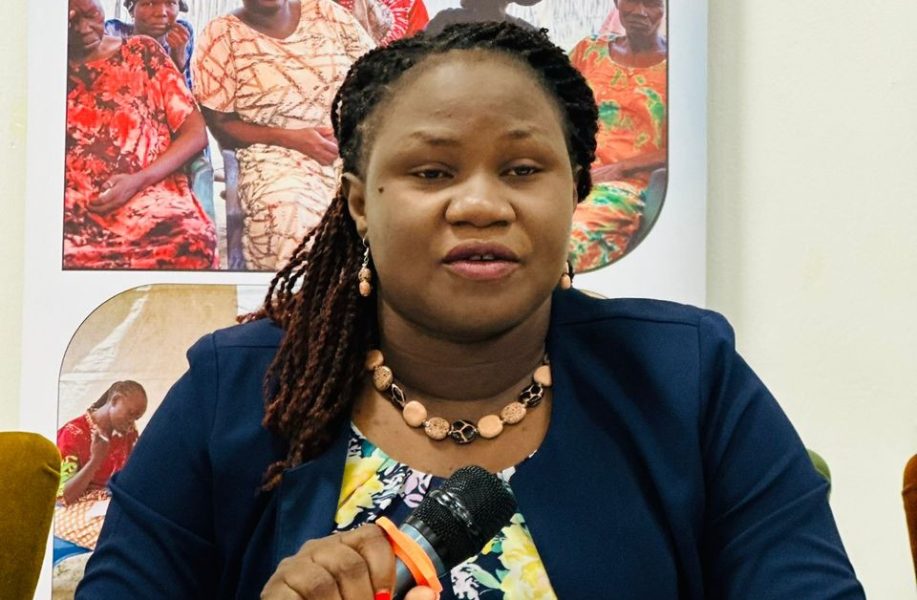
GVO Executive Director Josephine Chandiru warned that without timely intervention, challenges such as gender-based violence, land disputes, and economic hardship could deepen vulnerabilities in Juba.
“If these issues are not addressed, Juba risks becoming a hotspot for exploitation and conflict,” she cautioned.
The project is expected to directly benefit 255 individuals while reaching more than 36,000 people indirectly across Juba. Key focus areas include legal aid, prevention of sexual and gender-based violence (SGBV), sexual and reproductive health and rights (SRHR), and advocacy for inclusive policies.
Organizers say the initiative will also strengthen coordination between government institutions, civil society organizations, and local communities, with a focus on accountability, protection, and equal opportunities.
Closing the session, the Minister officially declared the workshop open, urging participants to move beyond dialogue and commit to practical, community-centered solutions that can drive lasting change for women and girls across South Sudan.