A South Sudanese environmental expert has warned of increasing biodiversity loss and mounting ecological pressure on the Sudd Wetlands, one of the largest tropical wetlands in the world.
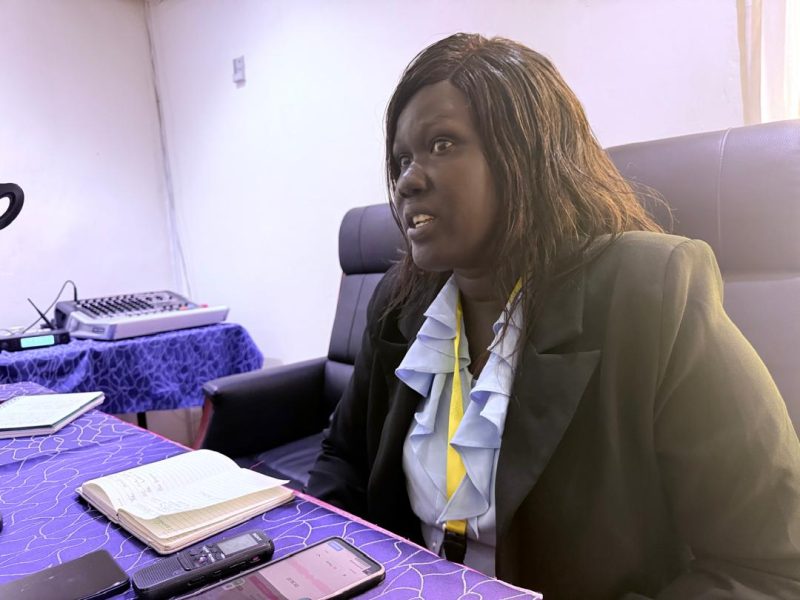
Nyamach Hoth Mai, an environmental expert at the Ministry of Environment, made the remarks during a sideline interview with journalists on Wednesday at the opening of the Sudd Wetlands conference in Juba.
She said the Sudd Wetlands remain a critical ecosystem of both national and international importance but are increasingly threatened by climate change, human settlement, and unsustainable land use practices.
Mai described the Sudd as a tropical wetland located within the Nile Basin, noting that it is the second largest wetland in the world after the Pantanal wetlands in the United States, and the largest in Africa.
She added that the ecosystem is recognized under the Ramsar Convention as a wetland of international importance due to its ecological value and biodiversity.
She said the wetland hosts more than 400 species of birds and over 100 species of mammals, including endangered wildlife such as African elephants, whose population in the country is estimated at around 5,000.
She also highlighted the presence of rare and endemic species, including the Nile lechwe, which is found only in South Sudan and primarily within the Sudd ecosystem.
According to her, the wetlands serve as a major breeding ground for migratory birds from Central Europe and Asia, which travel to the region during winter seasons due to its warmer climate.
The area also supports large-scale wildlife migrations of antelopes and other ungulates across parts of Greater Equatoria and neighboring regions.
Mai further explained that the Sudd Wetlands play a vital role in regulating the environment by filtering water, supporting freshwater systems, and sustaining fisheries, agriculture, and wildlife-based livelihoods that contribute to local economies.
However, she warned that climate change remains the most significant threat, with recurring floods submerging vegetation and destroying habitats, leading to loss of biodiversity.
She also pointed to human activities such as agricultural expansion, settlement within wetland areas, and long-standing conflicts as additional pressures affecting the ecosystem.
“These combined factors are contributing to habitat destruction and ecological imbalance within the wetlands,” she said.
The environmental expert called for stronger government action to protect the Sudd Wetlands, including better enforcement of existing conservation zones, increased investment in environmental institutions, and full operationalization of environmental laws currently under review.
She emphasized the need for the Environmental Bill to be passed into law to establish a strong regulatory framework, including the creation of a National Environment Authority to oversee development activities and resource use within sensitive ecological areas.
Mai also stressed that South Sudan, as a signatory to the Ramsar Convention, has an obligation to protect wetlands of international importance and ensure sustainable management of natural resources.
She urged authorities to prioritize environmental protection, warning that continued neglect could undermine both ecological stability and economic opportunities such as fisheries and eco-tourism.
“The Sudd Wetlands are not only important for South Sudan but for the world. Protecting them is both an environmental and economic necessity,” she said.