South Sudan has called for urgent investment in midwives, warning that strengthening the midwifery workforce is critical to reducing preventable deaths among mothers and newborns across the country.
The appeal comes as the nation joined the rest of the world in marking the International Day of the Midwife 2026 under the global theme, “One Million More Midwives.”
Health stakeholders say the message is especially urgent for South Sudan, where maternal and newborn mortality rates remain among the highest globally.
In a statement, United Nations Population Fund (UNFPA) Executive Director Diene Keita said the world needs an additional one million midwives by 2035 to help save more than four million lives each year.
“Midwives are essential health workers who can prevent needless deaths during pregnancy and childbirth,” the statement noted, highlighting their role in fragile and crisis-affected settings where access to healthcare is often limited.
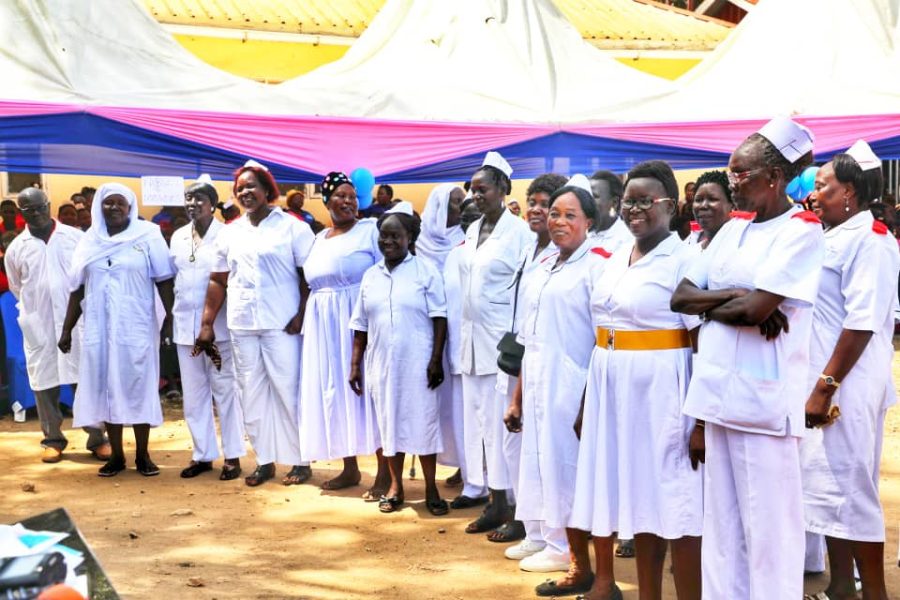
In South Sudan, midwives are frequently the only skilled providers available to women in remote and underserved communities.
The South Sudan Nurses and Midwives Association (SSNAMA) described them as “lifesaving” professionals delivering care before, during, and after childbirth.
“Across towns, villages, and hard-to-reach areas, midwives provide critical care and support to mothers and newborns,” said SSNAMA President Repent Khamis George. “They are at the heart of safe motherhood and healthy communities.”
Despite their vital role, the country faces a severe shortage of trained midwives, compounded by limited training opportunities, weak deployment systems, and difficult working conditions.
Many facilities lack adequate staffing, leaving large populations without access to skilled birth attendants.
Health experts argue that scaling up midwifery services is one of the most effective and cost-efficient strategies to improve maternal and child health outcomes.
According to UNFPA, every dollar invested in midwifery can generate up to sixteen dollars in social and economic returns.
Beyond clinical care, midwives in South Sudan also play a key role in health education, community outreach, and advocating for women’s rights, often working under challenging conditions with limited resources.
SSNAMA has called on the government, development partners, and communities to take coordinated action by investing in the education, recruitment, and retention of midwives, particularly in rural areas where the need is greatest.
As global and national attention turns to the midwifery workforce, stakeholders say expanding access to skilled care is not only a health priority but a crucial investment in the country’s future.
“Investing in midwives means investing in families, communities, and the next generation,” the statement emphasized.