Dozens of young South Sudanese entrepreneurs have presented business proposals under a peacebuilding and livelihood initiative spearheaded by the Whitaker Peace and Development Initiative (WPDI), in a move aimed at empowering youth economically while strengthening community resilience and social cohesion.
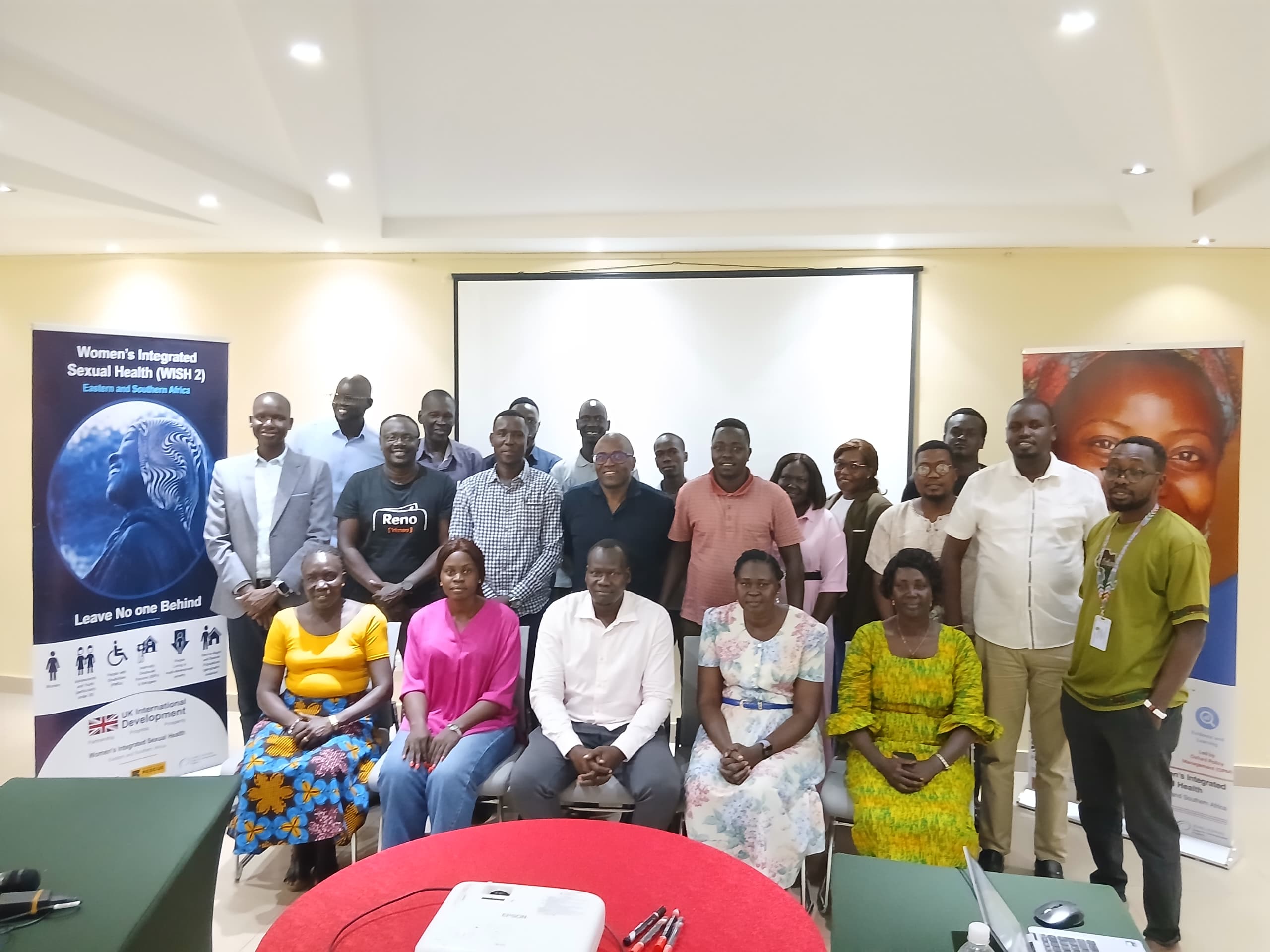
The business pitching event brought together participants from Juba, Yambio, and Torit who spent the past six months undergoing intensive training in entrepreneurship, peacebuilding, leadership, and project development.
The initiative, implemented by WPDI in partnership with the Gemini Africa Foundation the philanthropic arm of the Najib Sawiris Foundation forms part of a two-year program focused on promoting sustainable livelihoods and inclusive peacebuilding across the Equatoria region.
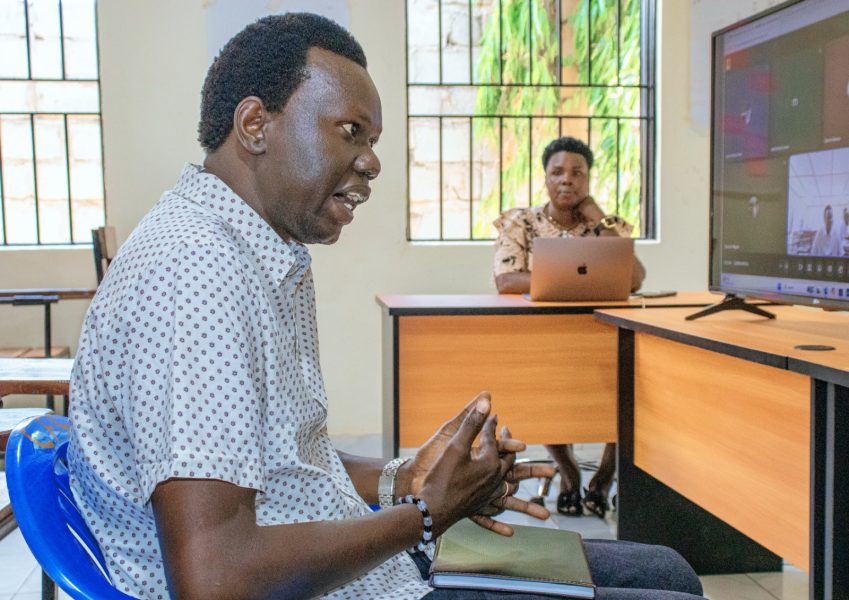
Speaking during the event in Juba, WPDI South Sudan Country Program Manager Dagu David said the program seeks to equip young people with practical skills and opportunities to become agents of change within their communities.
“This initiative empowers young people with the knowledge and confidence to create solutions to the challenges affecting their communities,” Dagu said. “We believe youth are not only beneficiaries of peace but also drivers of peace and economic transformation.”
According to organizers, a total of 55 participants completed the training program, which included a business “boot camp” designed to help participants refine innovative ideas addressing unemployment, lack of services, and limited economic opportunities.
During the pitching session, participants presented a wide range of business proposals before a panel of experts, partners, and stakeholders.
The top projects from each location are expected to receive grants and technical support to help transform the ideas into sustainable enterprises.
Many of the proposals focused on practical community needs such as education materials, agriculture, retail businesses, and service delivery.
Among the participants was young entrepreneur William Run Malek, who proposed establishing a stationery business to supply school and office materials.
He said many young people continue to face difficulties caused by unemployment and economic instability, but entrepreneurship can provide a pathway toward self-reliance.
“Business is the only solution to change your life and reduce unemployment,” Malek said. “Despite the challenges like fluctuating prices, supply shortages, and unreliable electricity, young people should continue working hard to build something for themselves.”
Another participant, Joan Clement, encouraged young women and other youth to embrace entrepreneurship regardless of the amount of capital they possess.
“Even with little capital, you can start small and grow,” she said. “This training helped build my confidence and taught me how to manage challenges in business.”
Organizers said the initiative not only promotes economic empowerment but also contributes to long-term peacebuilding by creating opportunities for youth who are often vulnerable to violence, unemployment, and social exclusion.
WPDI further called on development partners, donors, and stakeholders to continue investing in youth-led initiatives, arguing that sustainable peace can only be achieved when young people are economically empowered and actively engaged in shaping their communities.
“Much can be achieved with limited resources if the right model is applied,” Dagu noted, stressing the importance of supporting grassroots innovation and entrepreneurship.
Selected business projects are expected to begin implementation in the coming months, with organizers expressing hope that the initiative will inspire more young people across South Sudan to pursue entrepreneurship as a tool for both economic growth and peacebuilding.