The United States has intensified pressure on President Salva Kiir’s government over alleged violations of South Sudan’s 2018 peace agreement, warning that continued delays, political crackdowns, and unilateral decisions risk undermining the country’s fragile transition and damaging international confidence.
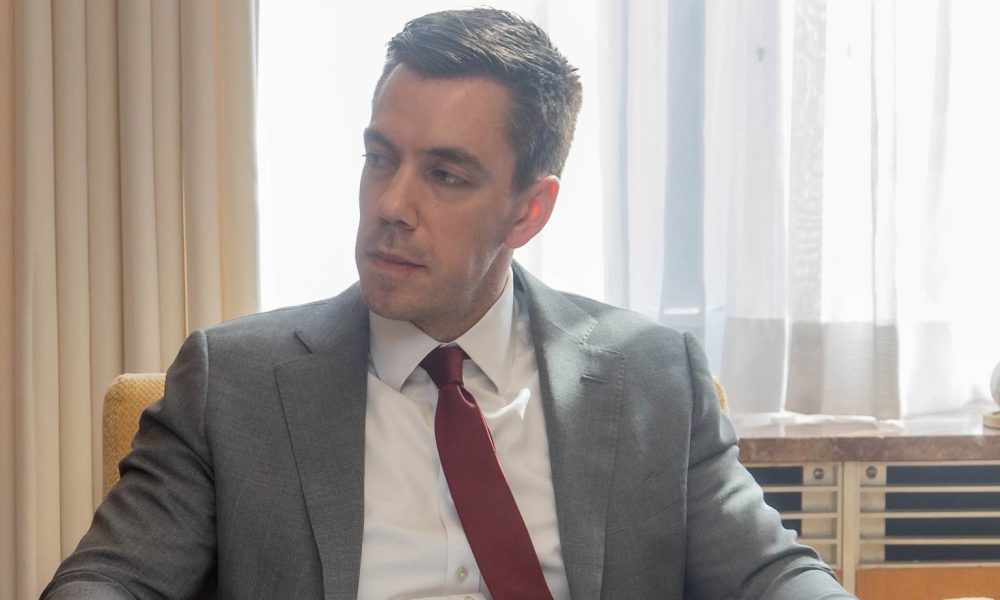
The warning came during a two-day visit to Juba by the U.S. State Department’s Senior Bureau Official for African Affairs, Nick Checker, who met senior government officials and delivered what observers described as one of Washington’s strongest recent messages to South Sudan’s leadership.
According to a statement released Monday by the U.S. Embassy in Juba, Checker urged South Sudanese leaders to urgently restore confidence in the peace process through inclusive dialogue, implementation of pending reforms, and respect for the provisions of the Revitalized Agreement on the Resolution of the Conflict in South Sudan (R-ARCSS).
The U.S. official reportedly questioned the credibility of ongoing political consultations while First Vice President and SPLM-IO leader Dr. Riek Machar remains under arrest and facing trial.
Checker described claims of meaningful inter-party dialogue under such conditions as “farcical,” stressing that the 2018 peace agreement despite its imperfections — remains the only basis for the legitimacy of the current transitional government.
Washington’s latest remarks come amid mounting tensions surrounding the government’s controversial push to amend parts of the peace agreement ahead of elections expected in 2026.
The Kiir administration argues that certain provisions of the deal have become obstacles to the transition and electoral preparations.
However, opposition groups, international partners, and peace monitors have accused the government of bypassing the required consensus procedures by advancing the amendments without the endorsement of all signatory parties.
The United States also accused South Sudanese authorities of repeatedly obstructing humanitarian operations and relying on cycles of crisis and reform promises to maintain international assistance.
According to the embassy statement, the U.S. has provided more than $9.5 billion in aid to South Sudan since independence in 2011, while the country has earned more than $25 billion in oil revenues during the same period.
Checker urged the government to use public revenues to pay civil servants, strengthen health and education services, and support humanitarian response efforts instead of depending heavily on foreign assistance.
He further criticized what he described as “predatory practices” against aid organizations and called for improved cooperation on border security and immigration matters.
In unusually sharp remarks, the U.S. official said the Sudan People’s Liberation Movement (SPLM), which fought for liberation before independence, had failed to fulfill many of its promises to citizens after taking power.
According to the embassy statement, Checker said patterns of marginalization and misuse of public resources continue to persist domestically despite the sacrifices made during the liberation struggle.
The latest diplomatic pressure reflects growing frustration among international partners over slow implementation of key provisions of the peace agreement, including security sector reforms, deployment of unified forces, constitutional-making, and preparations for democratic elections.
South Sudan’s transitional period has already been extended multiple times due to delays in implementing critical reforms required under the peace accord signed in 2018.
Despite the criticism, the Kiir government maintains that reforms and amendments being proposed are necessary to ensure a realistic and workable path toward elections and long-term stability.