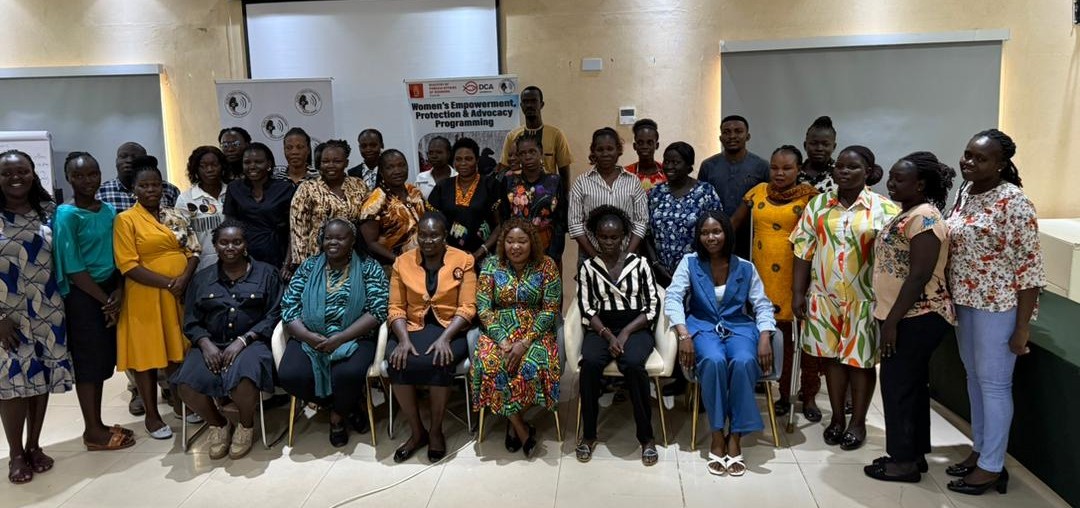
Civil society organizations, women-led groups, youth advocates, and social movements have renewed their commitment to advancing inclusive governance, women’s rights, and accountability in South Sudan following a leadership and advocacy training held in Juba.
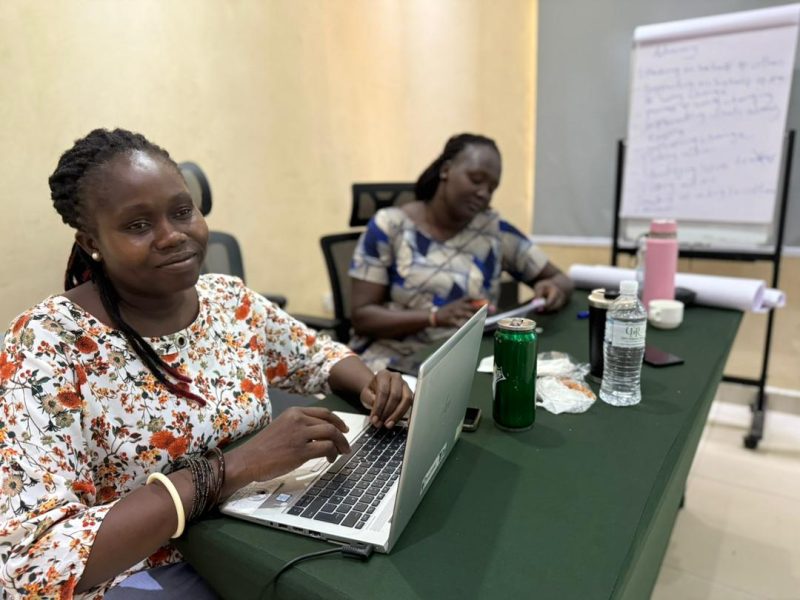
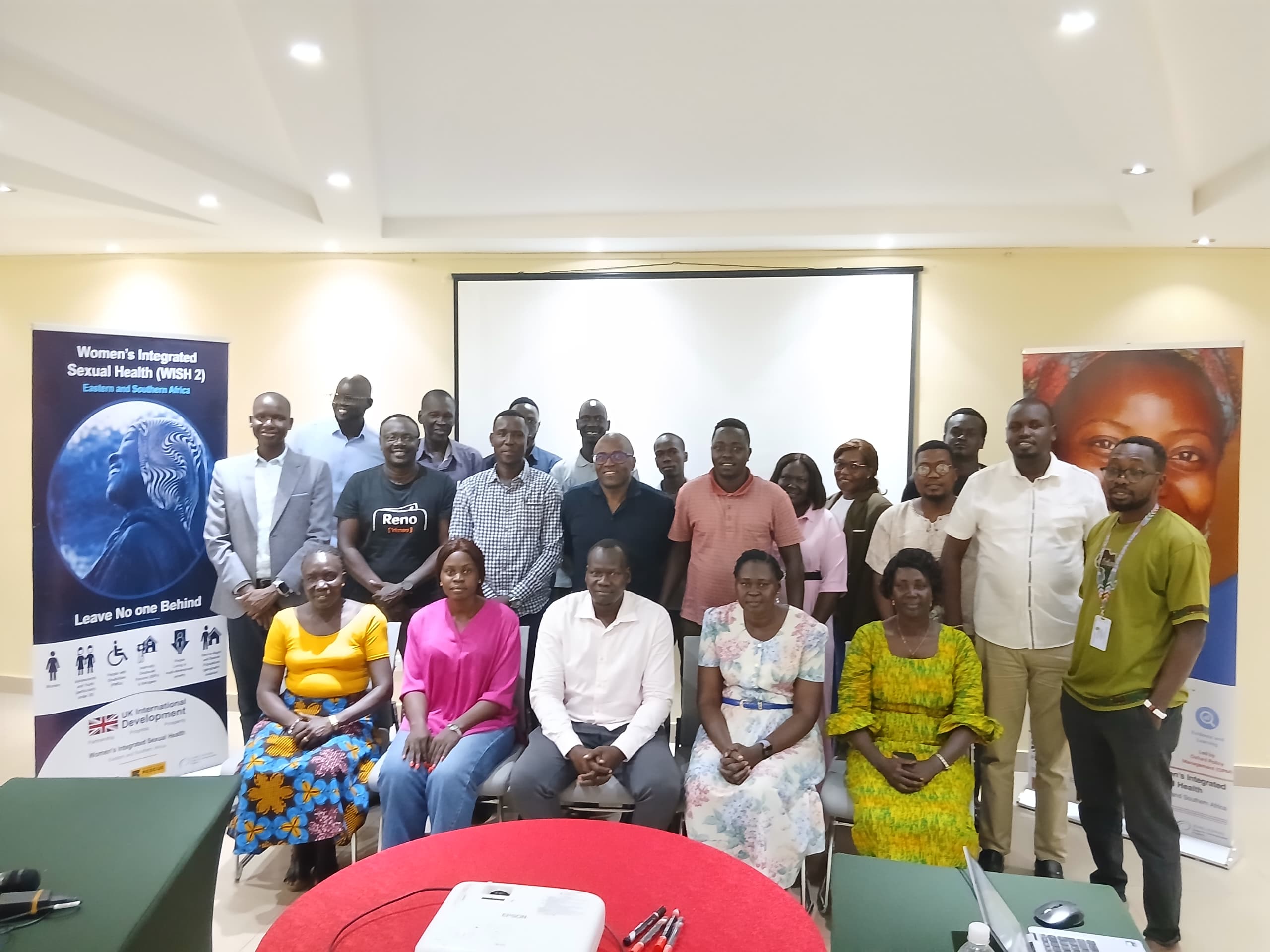
The training, organized by Global Voices Organization for South Sudan at the Glory Regency Hotel, brought together representatives from 30 civil society organizations to strengthen leadership, advocacy, and civic engagement skills aimed at promoting sustainable peace and inclusive development in the country.
Participants included women-led organizations, youth groups, women with disabilities, and community-based social movements working on human rights, governance, gender equality, and protection issues.
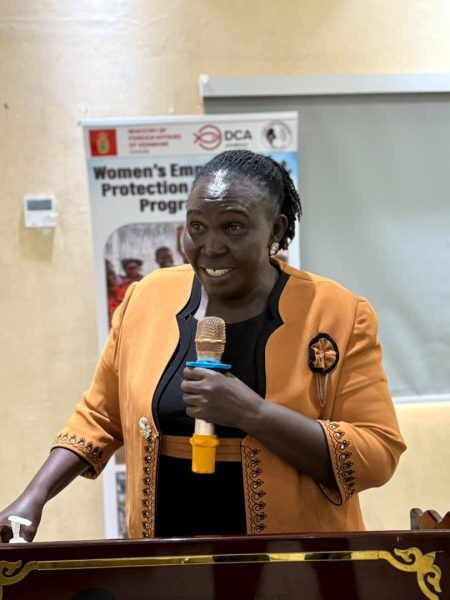
Speaking during the opening session, Narumanga Julie Justin-Severio described the workshop as an important step toward empowering civil society actors to play a more active role in policy engagement, peacebuilding, and democratic governance.
She said strengthening the capacity of advocacy groups is essential for ensuring that women, youth, and marginalized communities are meaningfully represented in national decision-making processes.
“The role of civil society is critical in promoting accountability, protecting human rights, and ensuring inclusive participation in governance processes,” she said.
The training focused on leadership and advocacy skills, conflict sensitivity, safeguarding, do-no-harm principles, protection from sexual exploitation and abuse (PSEA), and strategies for effective civic engagement.
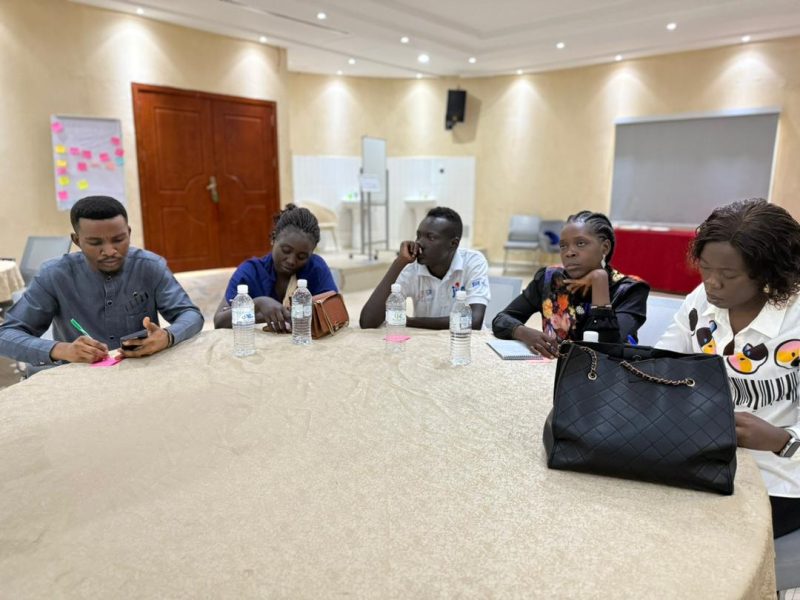
Participants noted that although civil society organizations continue to contribute significantly to peacebuilding and community empowerment, many groups still face major challenges that limit effective advocacy and public participation.
Among the concerns raised were limited access to advocacy resources, weak coordination among civil society actors, inadequate protection mechanisms, harmful social norms, and the continued impact of conflict and insecurity on women and vulnerable communities.
Participants also highlighted the difficulties women and youth continue to face in accessing leadership positions and participating meaningfully in political and governance processes.
Despite these challenges, the organizations emphasized that stronger collaboration and collective action among advocacy groups can help amplify the voices of marginalized communities and influence policy reforms.
The workshop further underscored the importance of integrating safeguarding and conflict-sensitive approaches into advocacy and community engagement efforts to ensure safe, inclusive, and responsive interventions.
Following group discussions and planning sessions, participating organizations agreed on several commitments aimed at strengthening collective advocacy and advancing inclusive governance across South Sudan.
Among the key resolutions was the formation of an advocacy working group to improve coordination between civil society organizations, women’s movements, and social justice groups in championing gender-responsive and inclusive policies.
The organizations also committed to developing joint advocacy action plans focusing on women’s rights, protection concerns, land rights, social justice, and the implementation of regional and international commitments such as the Maputo Protocol.
Participants further pledged to promote the participation of women, youth, and marginalized groups in leadership, governance, and peacebuilding initiatives at both local and national levels.
They also agreed to strengthen engagement with policymakers, government institutions, and development partners to ensure that community concerns are reflected in national policies and programs.
In addition, the organizations committed to continuing capacity-building initiatives for civil society actors to improve their ability to respond to emerging social, political, and humanitarian challenges affecting communities across the country.
Participants commended women-led organizations and youth advocates for their resilience and continued efforts to defend the rights of vulnerable groups despite economic hardship, insecurity, and limited resources.
The workshop concluded with a collective call for stronger partnerships between government institutions, development partners, traditional leaders, women’s movements, youth groups, and civil society organizations to advance peace, accountability, and inclusive governance in South Sudan.
Participants stressed that sustainable peace and national development can only be achieved through the meaningful inclusion of women, youth, and marginalized communities in leadership and decision-making processes.
“The time for collective action and stronger advocacy is now,” one participant said during the closing discussions.