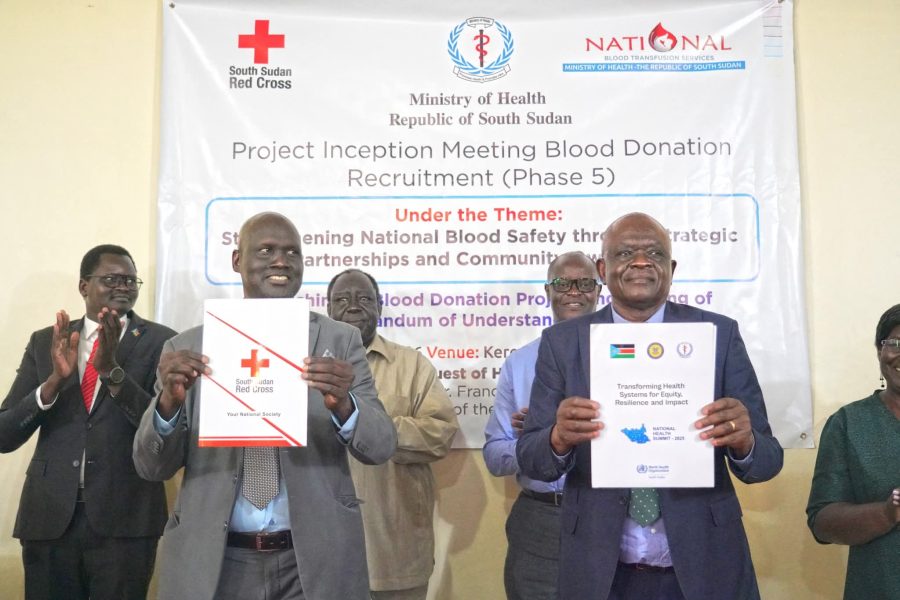
The South Sudan Red Cross Society (SSRC) and the Ministry of Health have signed a Memorandum of Understanding (MoU) aimed at strengthening blood transfusion services and improving access to safe blood supplies across the country.
The agreement, signed in Juba on May 12, 2026, seeks to enhance cooperation between humanitarian and government institutions in addressing persistent shortages of safe blood in hospitals and health centers, particularly during emergencies and critical medical situations.
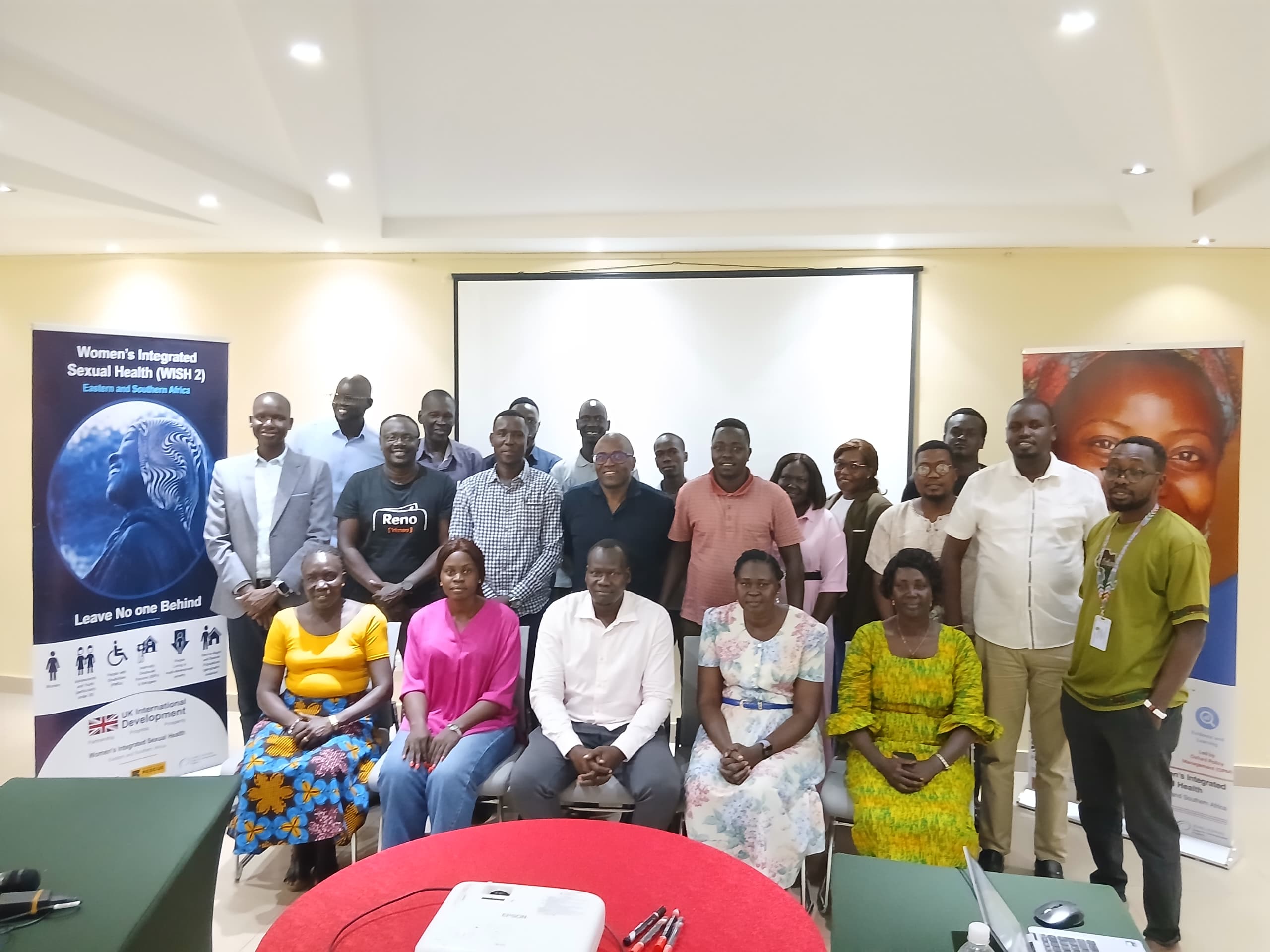
The MoU was signed by the Secretary General of the South Sudan Red Cross, John Lobor, and the Undersecretary in the Ministry of Health, Dr. Oromo Francis Seriano, in the presence of health officials, humanitarian partners, and representatives from the National Blood Transfusion Service.
Speaking during the signing ceremony, Lobor described blood shortages in hospitals as a continuing emergency that requires urgent collective action and stronger coordination among partners.
“Every day, patients lose their lives because blood is either unavailable or insufficient in our health facilities,” Lobor said.
“This partnership is about saving lives and ensuring that every person in need of blood can access it safely and in time.”
He said the agreement would strengthen voluntary blood donation systems and expand public awareness campaigns across the country.
“Our goal is to build a safe, equitable, and accessible blood supply system through community engagement and voluntary blood donation,” he added.
“We want South Sudanese communities to understand that donating blood is an act of humanity that can save many lives.”
Since 2014, the South Sudan Red Cross, with support from the Swiss Red Cross, has been working closely with the Ministry of Health and the National Blood Transfusion Service to promote voluntary blood donation through community outreach, awareness campaigns, behavior change initiatives, and volunteer-led blood drives.
Blood donation activities have already been conducted in Juba, Torit, and Wau, where volunteers and health workers have mobilized communities to participate in regular blood donation exercises.
Dr. Oromo Francis Seriano said the Ministry of Health remains committed to improving the country’s blood transfusion system and ensuring hospitals maintain adequate blood supplies for emergency and routine medical care.
“Access to safe blood is a critical component of a functioning healthcare system,” Dr. Oromo said.
“This partnership will help strengthen our national response to maternal health emergencies, accidents, surgeries, and other conditions that require urgent blood transfusion.”
He acknowledged that many health facilities across South Sudan continue to struggle with shortages caused by limited infrastructure, inadequate storage facilities, and low levels of voluntary blood donation.
Health officials and humanitarian partners say the renewed agreement is expected to expand community engagement and intensify awareness campaigns aimed at increasing the number of voluntary blood donors nationwide.
According to medical experts, reliable access to safe blood remains essential in reducing preventable deaths linked to childbirth complications, road accidents, severe anemia, and other life-threatening conditions.
Humanitarian partners welcomed the agreement, describing it as an important step toward strengthening healthcare services and improving emergency response systems across the country.
The initiative comes at a time when South Sudan’s health sector continues to face mounting challenges amid humanitarian pressures and increasing demand for essential medical services.