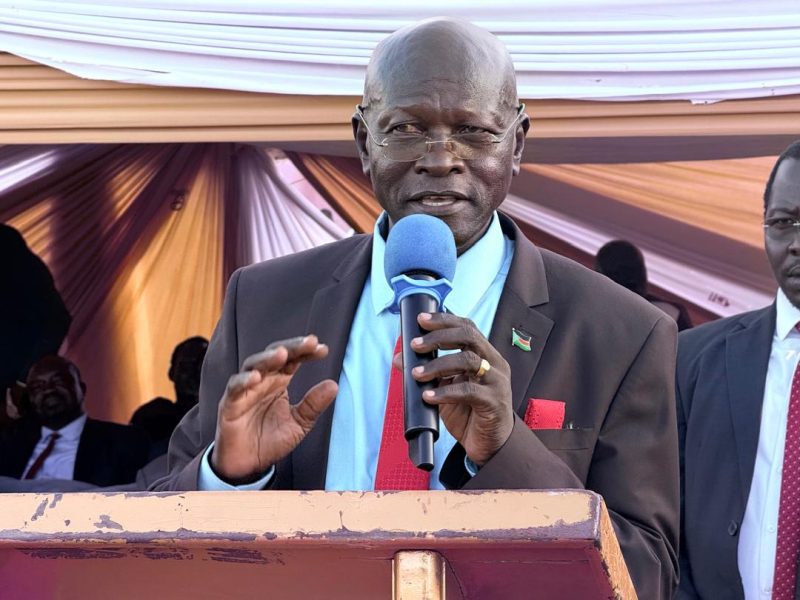
The Speaker of the Transitional National Legislative Assembly (TNLA), Joseph Ngere Paciko, has vowed to end what he described as the culture of “cash-in-bags” politics within Parliament, warning lawmakers and parliamentary staff against financial misconduct and practices that undermine accountability.
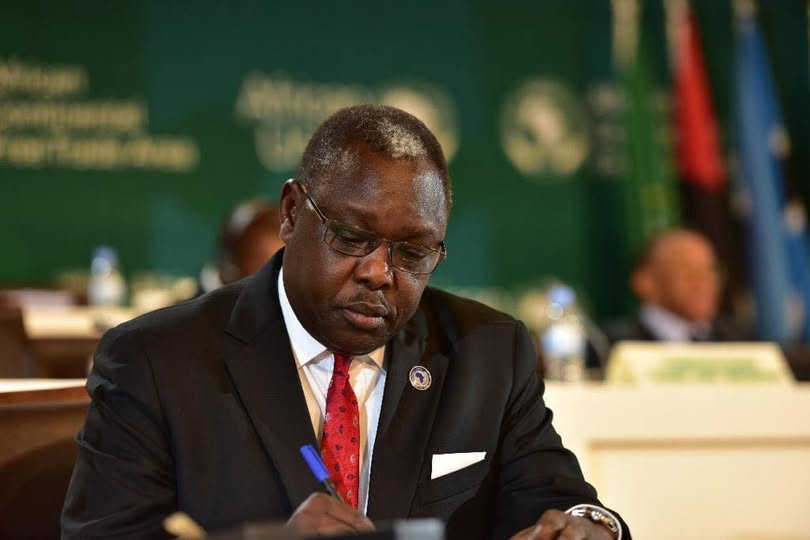
Paciko made the remarks on Wednesday during the swearing-in ceremony of the newly established Parliamentary Service Commission in Juba, where he officially assumed office as Chairperson of the body tasked with overseeing the administration and professional conduct of Parliament.
Speaking shortly after taking the oath of office, the Speaker said the Commission would spearhead wide-ranging reforms aimed at restoring discipline, transparency, and professionalism within the country’s legislative institution.
In one of the strongest statements of his speech, Paciko openly condemned the practice of Members of Parliament carrying physical cash in bags for distribution, declaring that such conduct would no longer be tolerated under his leadership.
“No more,” Paciko stated firmly, drawing applause from some attendees at the ceremony.
Although he did not elaborate on specific incidents, the Speaker’s comments appeared to target long-standing allegations of informal cash transactions and politically motivated handouts that critics say have damaged the credibility of public institutions.
Paciko said Parliament must embrace a new culture of accountability and institutional integrity if it is to regain public confidence and effectively serve the people of South Sudan.
“We are here to build systems, not personal networks,” he told members of the Commission and parliamentary officials. “The dignity of Parliament must be protected through professionalism, discipline, and transparency.”
The Speaker outlined several priority areas for the newly launched Parliamentary Service Commission, including the establishment of a clear organizational structure, enforcement of staff regulations, and development of proper job descriptions for parliamentary employees.
He also emphasized the need for transparent and competitive recruitment processes to eliminate favoritism and ensure merit-based hiring within parliamentary administration.
According to Paciko, the Commission will work to strengthen institutional procedures and create mechanisms capable of preventing abuse of office and misuse of public resources.
The formation of the Parliamentary Service Commission comes at a critical time as South Sudan continues to face public concern over corruption, weak institutions, and economic hardship.
Many say Paciko’s strong language on financial misconduct signals an attempt to project a reformist image and reassure citizens that Parliament is prepared to address issues that have long attracted criticism from the public and civil society groups.
The Commission is expected to oversee key administrative functions of Parliament, including staffing, welfare, operational management, and enforcement of ethical standards within the legislative assembly.
For many citizens, Paciko’s pledge to end “cash-in-bags” politics now sets a public benchmark against which Parliament’s commitment to transparency and accountability will be judged in the coming months.