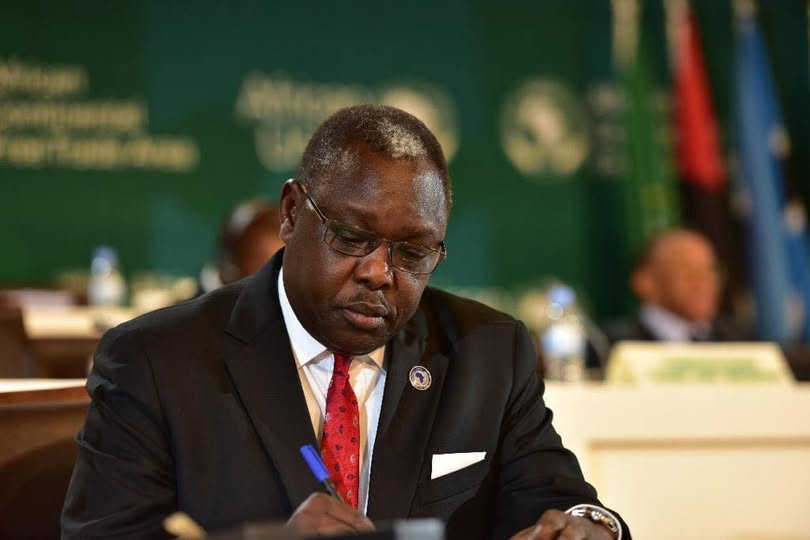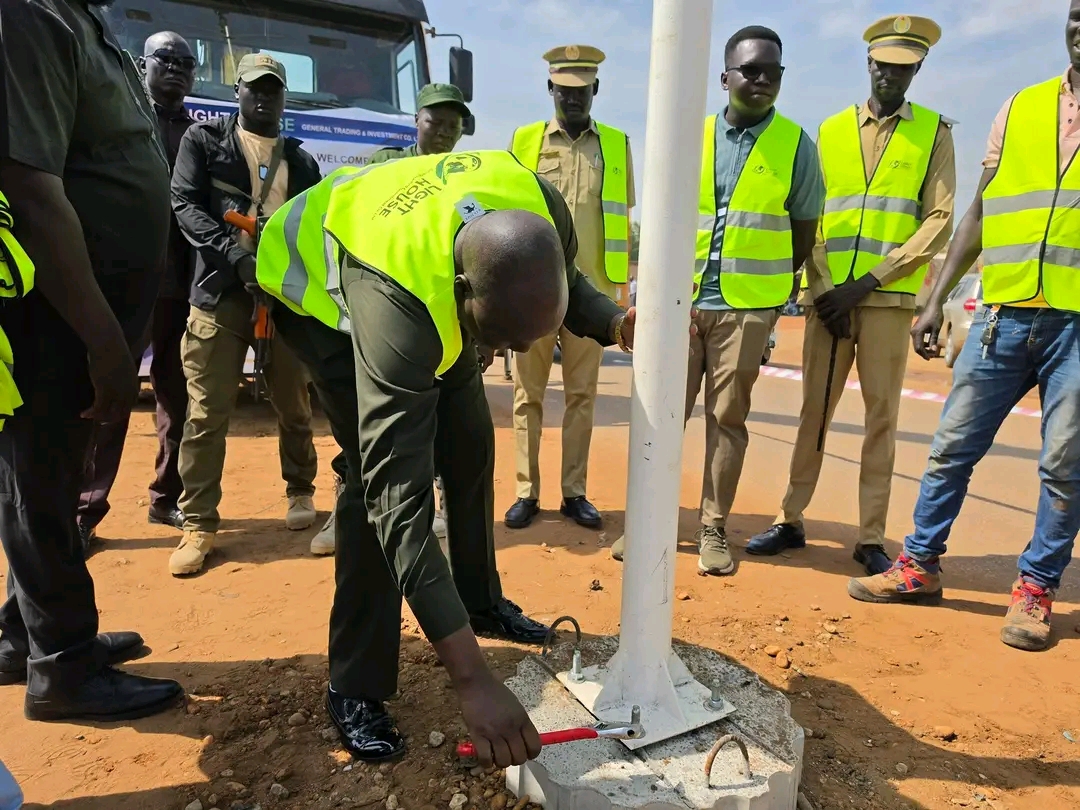
South Sudan’s fragile opposition politics took another dramatic turn this week after Vice President Hussein Abdelbagi openly campaigned for President Salva Kiir Mayardit, triggering fresh confusion and controversy over his political allegiance and the future of the South Sudan Opposition Alliance (SSOA).
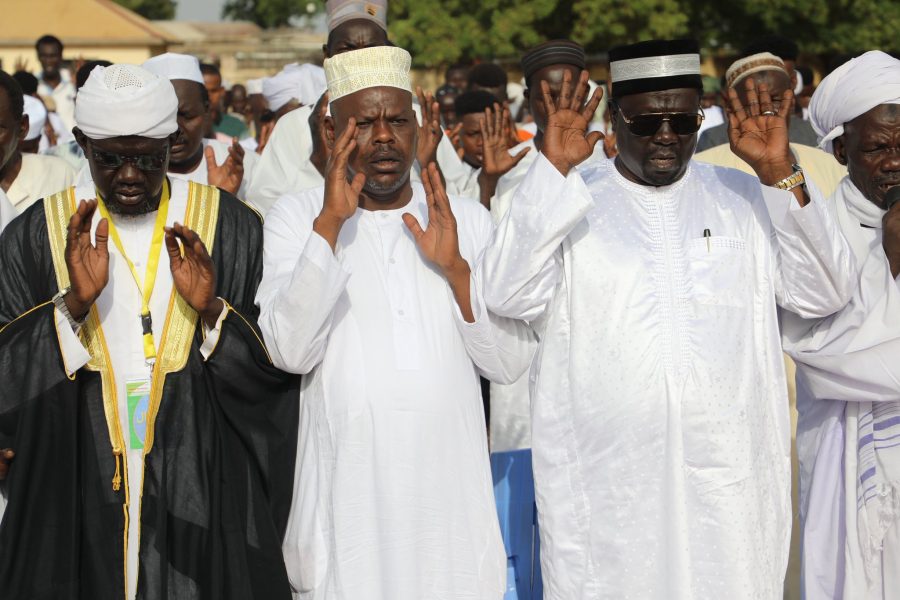
Speaking to Muslim communities in Northern Bahr el Ghazal, Abdelbagi urged voters to support Kiir, the ruling SPLM candidate, in the anticipated December elections.
“We do not want any Muslim vote to go to anyone other than Salva Kiir,” Abdelbagi declared in remarks that immediately sent shockwaves through political circles in Juba.
But the statement quickly raised a bigger question across the country’s already fractured opposition landscape: was Abdelbagi speaking as an individual politician, or was he speaking on behalf of SSOA?
Hours after his remarks circulated online, confusion spread among opposition supporters and even some alliance insiders, with several members privately questioning whether the Vice President still politically represents the alliance that brought him to power under the 2018 peace agreement.
Abdelbagi rose to the vice presidency through the SSOA ticket under the Revitalized Peace Agreement, which allocated key government positions among signatory parties in a power-sharing arrangement meant to end years of civil war.
At the time, SSOA presented itself as a coalition of opposition parties seeking political reforms and greater democratic participation in transitional governance.
But Abdelbagi’s relationship with the alliance soon became turbulent.
In 2023, divisions inside SSOA exploded into open confrontation after alliance leaders accused Abdelbagi of operating outside the coalition’s constitution and making unilateral political decisions without consultation.
The infighting culminated in his controversial removal as SSOA chairperson and his temporary replacement by Josephine Lagu, a senior political figure within the alliance.
The move exposed deep fractures within the opposition bloc, with rival factions battling for control of the alliance and its position within the unity government.
However, in another dramatic political twist, President Kiir later reappointed Abdelbagi to continue serving as Vice President despite objections from sections of SSOA aligned to Josephine Lagu.
Lagu’s faction accused the President of bypassing consultation mechanisms outlined in the peace agreement and ignoring the alliance’s internal decision-making structures.
The decision further intensified speculation that Abdelbagi had grown politically closer to Kiir and the ruling SPLM than to the opposition alliance that sponsored him into government.
Since then, uncertainty over Abdelbagi’s political identity has continued to haunt SSOA.
Some alliance members now openly admit they no longer know whether Abdelbagi still represents SSOA interests or has effectively crossed over into Kiir’s political camp while still occupying the opposition’s slot in government.
His latest endorsement of Kiir is likely to deepen those suspicions.
“This is no longer sounding like opposition politics,” one frustrated opposition supporter in Juba said after Abdelbagi’s remarks circulated online. “People are asking whether SSOA still exists as an independent alliance.”
Public reaction to Abdelbagi’s comments suggests rising frustration over what many see as blurred political loyalties in South Sudan.
Others argue the Vice President may simply be positioning himself ahead of possible political realignments before elections, especially as several opposition groups struggle with internal divisions, weak grassroots structures, and declining influence within the unity government.
For critics, however, the symbolism of an opposition leader openly mobilizing votes for the ruling party is politically damaging for SSOA and risks further eroding public confidence in opposition politics.
The controversy now places additional pressure on SSOA leadership to clarify whether Abdelbagi’s remarks reflect an official alliance position or his personal political choice.
So far, no official statement has been issued by the alliance distancing itself from the Vice President’s comments.
But in South Sudan’s unpredictable political arena, where alliances shift as quickly as loyalties, Abdelbagi’s latest move has once again blurred the line between opposition and government — leaving many wondering whether SSOA is still an opposition force at all.