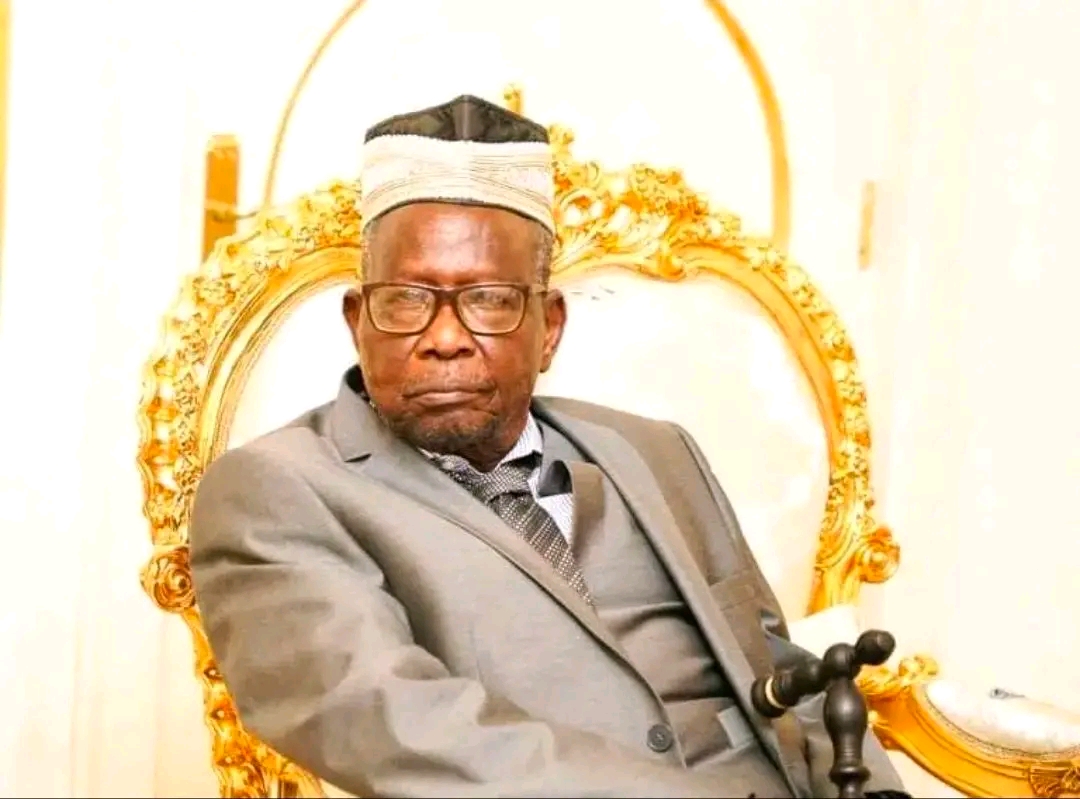
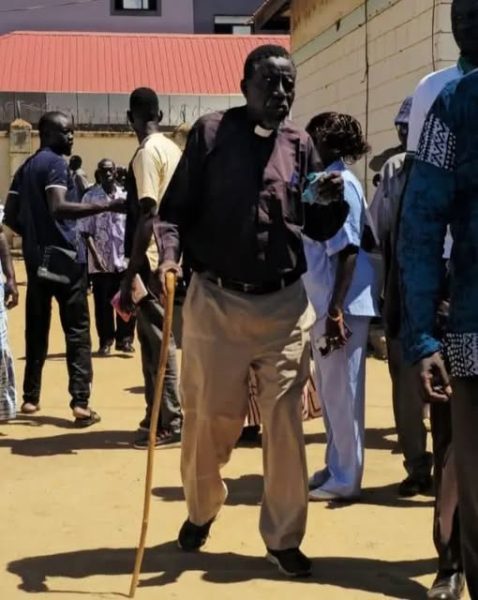
A court in Juba has acquitted Moru Church leader Canon Oneil Yosia Daima of all charges, ordering his immediate release after finding insufficient evidence to support a conviction.
However, while the ruling brought relief to the pastor and his supporters, it left members of the Nyakuron Moru Congregation without a place of worship as the court ordered the church to remain closed.
The decision was delivered on Tuesday by a newly assigned judge at Kator Court, who heard arguments from both the prosecution and defense teams before dismissing the allegations against Canon Oneil.
The case stemmed from a long-running dispute over the ownership and administration of the Nyakuron Moru Congregation Church, which has pitted the Moru Congregation against the Juba Diocese.
The disagreement has sparked tensions within the church community and drawn the attention of local authorities.
In its ruling, the court found no sufficient grounds to hold Canon Oneil criminally responsible and declared him not guilty.
The verdict paved the way for his release, with church members confirming afterward that he was in good health.
Despite the acquittal, the court took a separate decision regarding the disputed church premises.
The judge ordered that the Nyakuron Moru Congregation Church remain closed until the ownership and administrative dispute between the Juba Diocese and the Moru Congregation is fully resolved.
The ruling means that although the pastor has regained his freedom, hundreds of worshippers remain without access to their church building and will have to wait for a final settlement of the dispute before regular services can resume at the premises.
For supporters of Canon Oneil, the judgment marked a legal victory and a moment of celebration.
Yet for many members of the congregation, the continued closure of the church serves as a reminder that the wider conflict over ownership and control remains far from over.
As both sides weigh their next steps, attention is now expected to shift from the criminal proceedings to efforts aimed at resolving the underlying dispute that has divided the church community and left one of Juba’s prominent congregations without a place of worship.