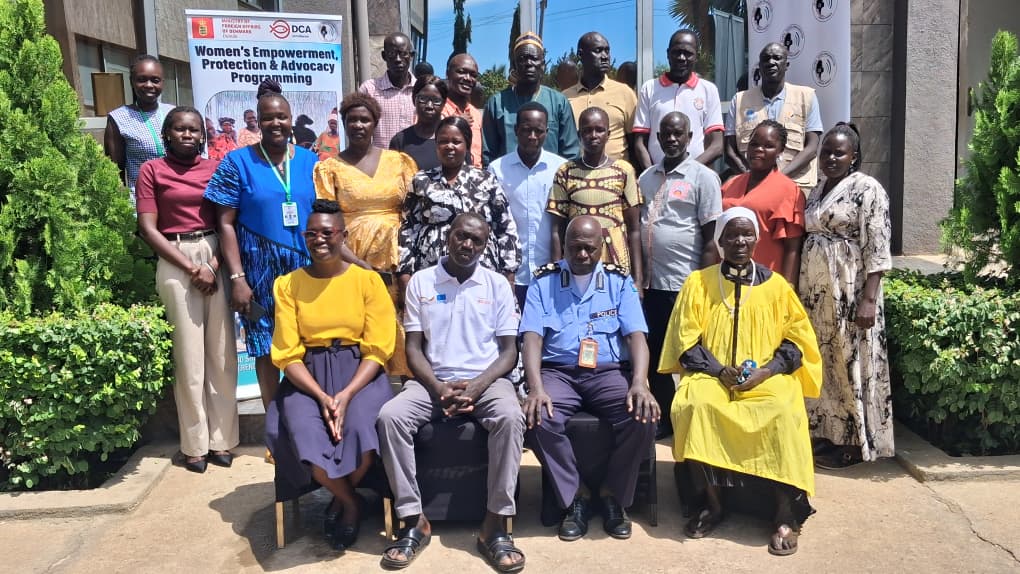
Traditional chiefs and women leaders from across South Sudan have begun a three-day training program in Juba aimed at strengthening community responses to gender-based violence (GBV), promoting women’s rights, and improving protection mechanisms for vulnerable groups.
The workshop, organized by Global Voices Organization South Sudan (GVO), has brought together 30 participants, including 21 traditional chiefs and nine women leaders, to equip them with knowledge and skills needed to address cases of violence and rights violations affecting women and girls at the grassroots level.
The training comes amid growing concerns over the prevalence of gender-based violence, child marriage, sexual abuse, and other harmful practices that continue to affect communities across the country.
Speaking during the opening session on Wednesday, GVO Executive Director Josephine Chandru Drama emphasized the critical role traditional leaders play in protecting women and resolving disputes within their communities.
She said many cases involving women and girls are first reported to local chiefs before reaching formal institutions, making it essential for traditional authorities to understand the legal frameworks that protect survivors and guide them on appropriate referral procedures.
“Chiefs are often the first point of contact for victims seeking justice. By strengthening their understanding of women’s rights and protection laws, we can improve access to justice and support services for survivors,” Chandru said.
According to organizers, the training focuses on a range of issues, including women’s legal rights, land ownership and inheritance rights, gender-based violence legislation, protection concerns, and referral pathways for cases requiring intervention from law enforcement agencies, social workers, health facilities, and the courts.
Participants are also being trained on how to identify protection risks affecting women and girls and how to work with community structures to prevent abuse before it occurs.
Chandru noted that the initiative seeks to bridge gaps between customary justice systems and formal legal institutions by ensuring traditional leaders understand both the limits of their authority and the importance of referring serious cases to relevant authorities.
Officials from the Ministry of Interior used the workshop to call for stronger cooperation between chiefs, security agencies, local authorities, and community members in addressing gender-based violence.
Brig. James Dak Carlos, Director of the Special Protection Unit, said traditional leaders occupy a unique position within communities and can play a significant role in preventing violence, encouraging reporting, and supporting survivors.
He noted that chiefs are often among the first people to learn about cases involving sexual violence, forced marriage, domestic abuse, child trafficking, and other forms of exploitation.
“Chiefs live among the people and understand the realities facing their communities. Their involvement is critical in identifying cases and encouraging victims and witnesses to come forward,” Brig. Dak said.
He urged participants to use their influence to promote education, protect children’s rights, and challenge harmful cultural practices that expose girls and women to abuse.
The official further stressed the need for community leaders to work closely with the Special Protection Unit and other institutions to ensure survivors receive legal protection, medical care, and psychosocial support.
For many participants, the training represents an opportunity to strengthen their ability to serve their communities and respond effectively to emerging protection challenges.
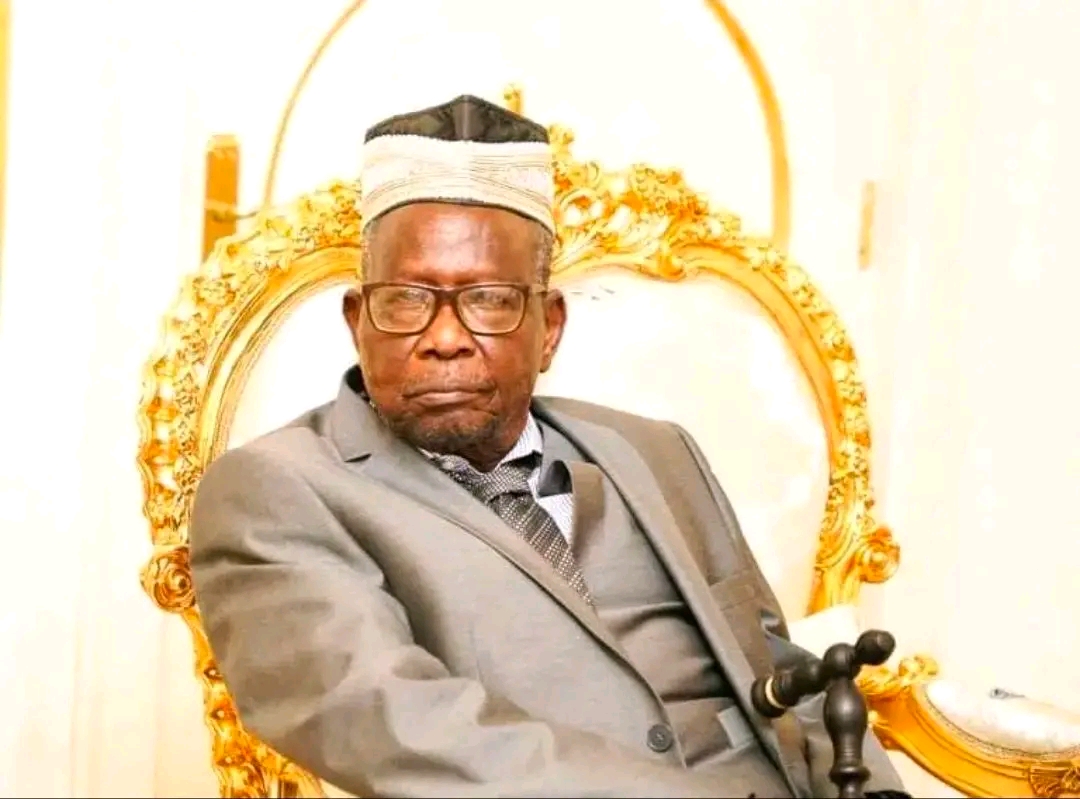
Lafaye Madit Malondo, Area Chief of New Site in Juba, said the workshop would enhance chiefs’ understanding of both national and international laws governing women’s rights and protection.
He said the knowledge gained would help traditional leaders handle cases more effectively and ensure victims receive the support they need.
“We have learned that some cases require specialized intervention and cannot be resolved solely through customary processes. This training is helping us understand our responsibilities and how to work with other institutions,” Malondo said.
He pledged to share the lessons learned with fellow chiefs and community members in order to raise awareness about available legal protections and reporting mechanisms.
Organizers hope the initiative will contribute to stronger community-based protection systems and foster greater respect for women’s rights across South Sudan by empowering local leaders with the tools needed to prevent violence, support survivors, and promote accountability.
As South Sudan continues efforts to strengthen the protection of women and girls, stakeholders say empowering traditional leaders and community representatives remains essential to building safer and more inclusive communities.