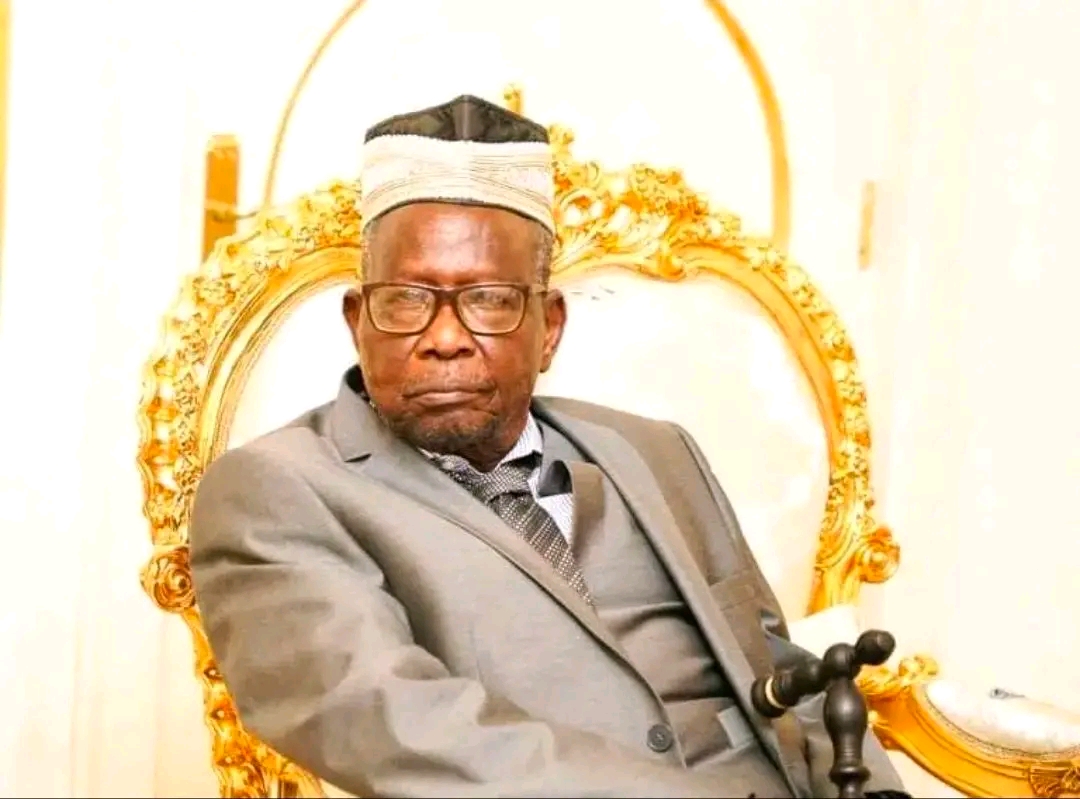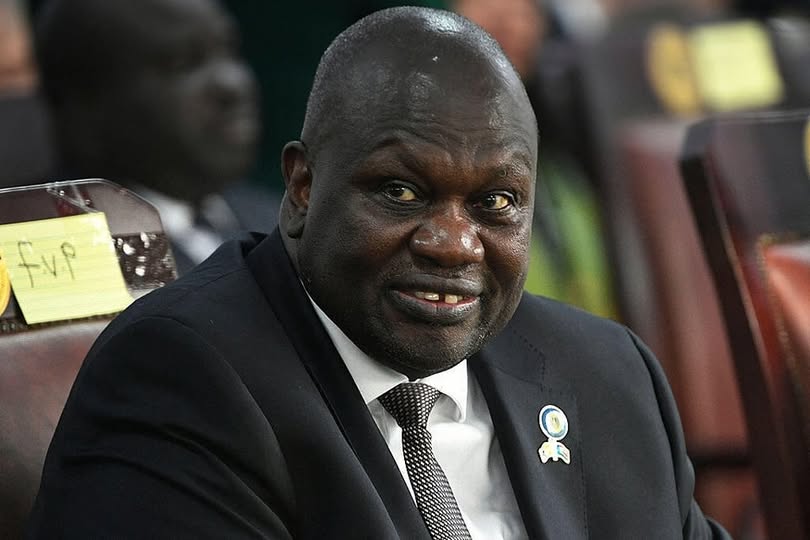
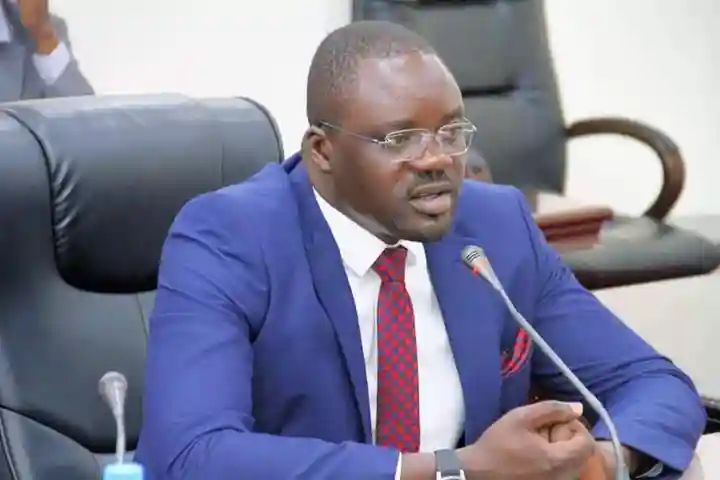
The South Sudan Opposition Alliance (SSOA) has distanced itself from remarks by Vice President Hussein Abdelbagi Akol urging Muslims to vote for President Salva Kiir, exposing fresh divisions within the opposition coalition ahead of the country’s anticipated elections.
The controversy erupted after Abdelbagi addressed worshippers during Eid al-Adha celebrations in Aweil, Northern Bahr el Ghazal State, where he praised Kiir’s record on religious freedom and called on Muslims to support the president at the ballot box.
“We do not want any Muslim vote to go to anyone other than Salva Kiir,” Abdelbagi told the gathering.
His comments quickly triggered criticism from within SSOA, with alliance leaders arguing that the vice president had spoken in his personal capacity and not on behalf of the coalition.
SSOA spokesperson Moro Genesio said the alliance had not endorsed any presidential candidate and had not authorized Abdelbagi to make such declarations.
“SSOA has not made any decision to support any candidate. Any such decision, if taken, will be communicated through the rightful channels,” Genesio said.
He stressed that the alliance remains committed to making collective decisions through its established structures rather than through individual statements.
Genesio also cautioned against bringing religion into political campaigns, saying South Sudan’s secular character must be respected by all political actors.
The disagreement has once again highlighted internal tensions within SSOA, where rival factions continue to dispute Abdelbagi’s leadership and political authority.
Critics within the alliance view his endorsement of Kiir as a move that undermines SSOA’s independence and weakens its position as an opposition bloc.
However, Abdelbagi’s supporters dismissed the criticism and defended his remarks.
National lawmaker Stephen Lual Ngor argued that cooperation between SSOA and the ruling SPLM makes support for Kiir a logical political position.
According to his allies, Abdelbagi’s comments merely reflected the reality of the working relationship between the alliance and the government.
The latest dispute comes as political parties begin positioning themselves ahead of South Sudan’s long-awaited elections, widely seen as a critical test of the country’s peace process.
Political observers say the controversy reveals growing uncertainty over alliances, endorsements, and leadership within opposition groups seeking relevance in the evolving political landscape.
Civil society activist Ter Manyang Gatwech urged political leaders to focus on implementing the peace agreement rather than engaging in premature electioneering.
He warned that continued internal disagreements risk eroding public confidence in SSOA’s ability to act independently and present a coherent political vision.
The row adds to lingering questions about the alliance’s unity and whether it can maintain a common position as the country moves closer to its first elections since the signing of the revitalized peace agreement.
For now, Abdelbagi’s endorsement has opened another chapter in SSOA’s internal struggles, exposing divisions that could shape the alliance’s future role in South Sudanese politics.