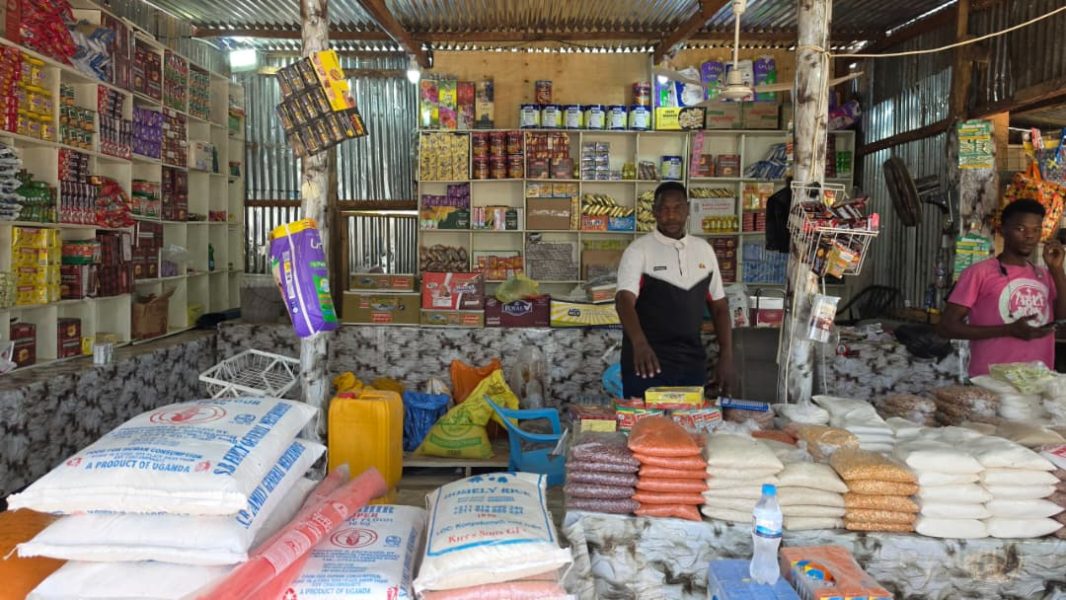
Every morning before sunrise, Yasin Osman Adam Mohamed loads goods onto a vehicle bound for one of Juba’s bustling markets. Like thousands of Sudanese refugees who fled war and instability in neighboring Sudan, he is trying to rebuild a life shattered by conflict.
But while entrepreneurship has offered a path toward survival and dignity, refugee traders say their efforts are increasingly constrained by a combination of financial hardship, documentation barriers, and alleged harassment that threatens both their livelihoods and future prospects.
For many refugees in South Sudan, business is more than a source of income. It is a means of regaining independence after losing homes, savings, and years of hard work when violence erupted in Sudan in 2023.
Yet turning determination into sustainable success remains an uphill battle.
“Many refugees have good business ideas, but they do not have the money to start,” Adam told this publication. “With a small amount of support, they can build sustainable businesses and support their families.”
Adam is among a growing number of refugee entrepreneurs operating small shops, restaurants, and trading businesses across Juba.
While their enterprises contribute to local markets and create jobs, many say access to startup capital remains one of the greatest obstacles they face.
Most refugees arrived in South Sudan with little more than the belongings they could carry. Businesses, farms, and properties left behind in Sudan were destroyed, abandoned, or rendered inaccessible by conflict. As a result, many entrepreneurs have been forced to start from scratch.
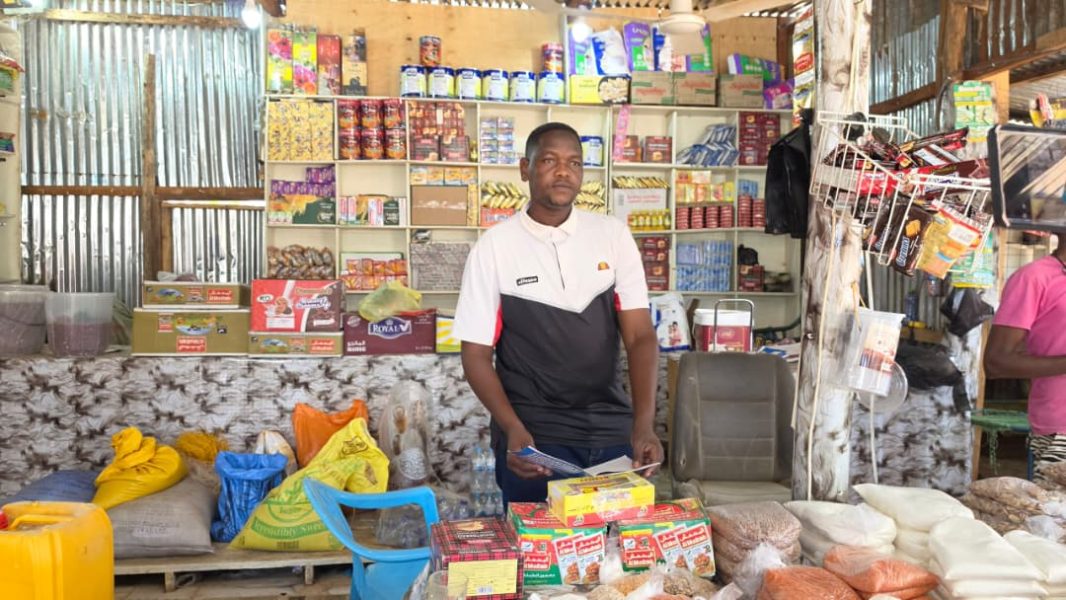
The financial challenges are compounded by South Sudan’s difficult economic environment. Rising transportation costs, fluctuating exchange rates, and increasing commodity prices have made it harder for small traders to maintain stable profit margins.
For refugee-owned businesses operating on limited capital, even minor market fluctuations can have significant consequences.
Beyond economic challenges, several refugee traders interviewed for this story described difficulties obtaining the documentation required to conduct business legally.
Without proper identification documents, business permits, or proof of refugee status, some traders say they face restrictions that limit their ability to expand their operations or access formal economic opportunities.
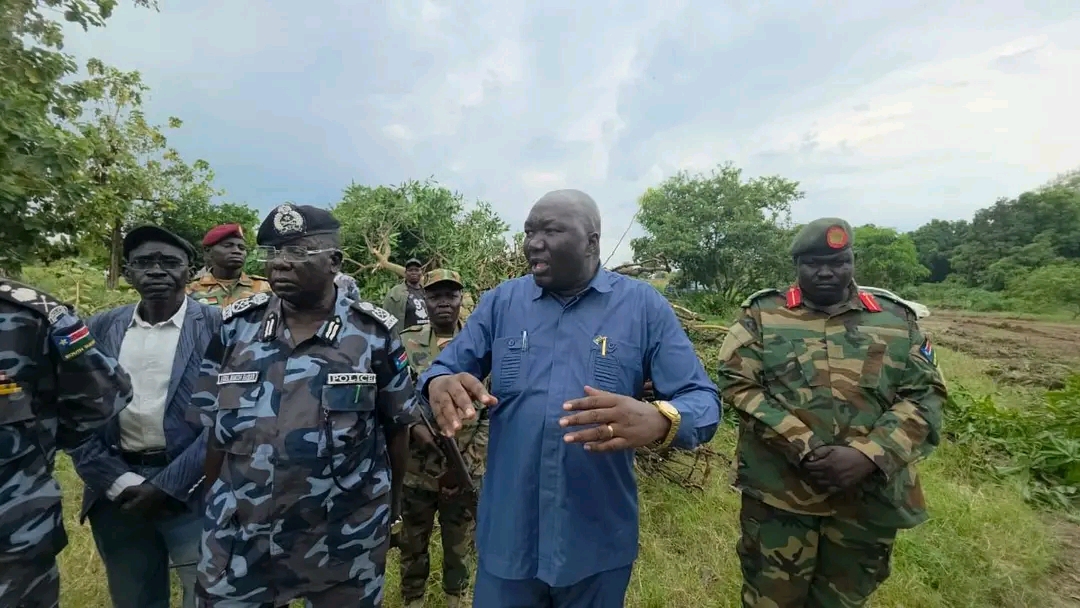
Adam alleges that some refugee entrepreneurs have also encountered harassment while purchasing goods in major commercial centers.
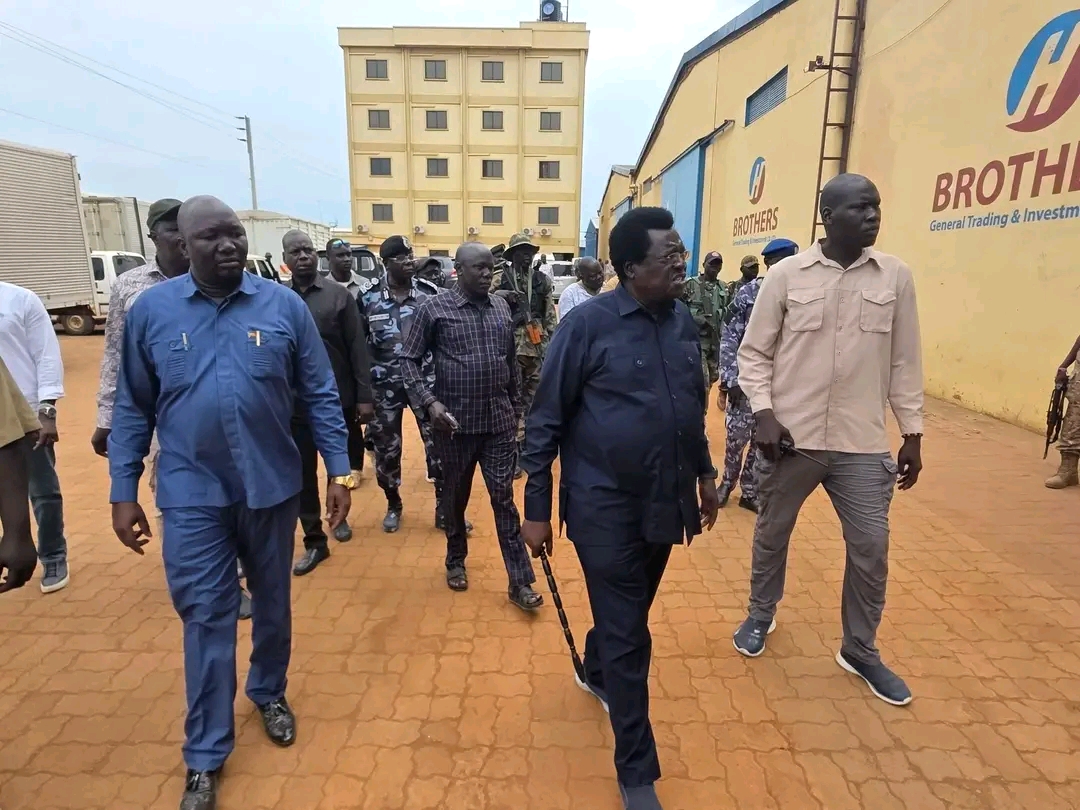
“The challenge we are encountering comes from some men in uniform who keep harassing us,” he claimed. “Whenever they find us in Custom Market or Konyokonyo Market where we buy our goods, they arrest some refugees and tell us that we do not have the right to run businesses in this country.”
He further alleged that, in some cases, traders have had goods confiscated or have been asked to produce documents they do not possess.
Such experiences, refugees say, create fear and uncertainty, discouraging investment and limiting opportunities for business growth.
The security agencies mentioned in these allegations were not immediately available for comment at the time of publication.
Rights and Reality
South Sudan hosts thousands of refugees fleeing conflict from neighboring countries, particularly Sudan, the Democratic Republic of Congo, and the Central African Republic.
Under international refugee law, refugees who have been granted protection are entitled to certain economic rights, including the ability to engage in self-employment and other lawful economic activities.
The 1951 Refugee Convention recognizes refugees’ rights to work, conduct business, and move freely within host countries, subject to national regulations.
In practice, however, access to these rights often depends on documentation, administrative procedures, and local implementation mechanisms.
Refugee entrepreneurs argue that simplifying registration procedures and improving access to legal documentation would help them operate more effectively while contributing to local economic development.
Turning Hardship Into Opportunity
Despite the challenges, stories of resilience and success continue to emerge from South Sudan’s refugee communities.
One such story belongs to Rhoda Abdalsalam Al-Noor, who fled the violence in El Geneina, West Darfur, and arrived in South Sudan seeking safety and a fresh start.
With limited resources and few opportunities, Rhoda began selling tea outside her home.
“I started by selling tea outside my house,” she recalled. “I worked for several months, saved some money, and later rented a small shop.”
What began as a modest tea stall eventually evolved into a thriving restaurant serving local dishes, drinks, sweets, and salads.
Her determination, coupled with business training and financial support received through a business development programme, enabled her to expand her operations and create employment opportunities for others.
Today, the restaurant generates enough income to support her family and finance her son’s university education.
“The training changed the way I run my business,” she said.
Another refugee entrepreneur, Nafisa Mohamed Jibril, has followed a similar path.
After arriving in South Sudan in 2023 with limited means, she initially worked at a factory before saving enough money to establish a small retail business selling consumer goods.
Although rising prices and currency fluctuations continue to affect her profits, she remains committed to growing her enterprise.
“I am trying to move forward with my life,” Nafisa said. “Business has helped me continue despite everything that has happened.”
Economic Potential Waiting to Be Unlocked
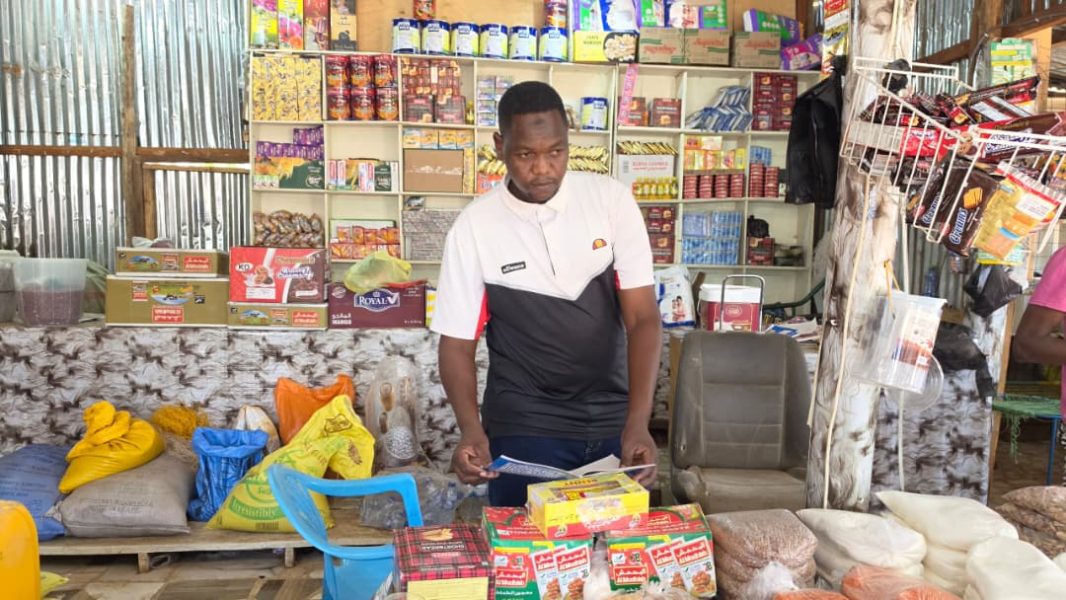
The experiences of Adam, Rhoda, and Nafisa reflect a broader reality facing thousands of refugees across South Sudan.
While many continue to struggle with inadequate financing, documentation barriers, and regulatory challenges, their businesses are contributing to local economies, creating jobs, and reducing dependence on humanitarian assistance.
Development experts argue that increased investment in refugee entrepreneurship could generate benefits for both refugees and host communities.
Improved access to finance, business training, legal documentation, and supportive regulatory frameworks could enable refugee-owned enterprises to expand, create more employment opportunities, and strengthen local markets.
For refugees like Adam, the goal is simple.
They are not asking for handouts, but for the opportunity to work, trade, and rebuild lives interrupted by war.
Despite the uncertainty they face, many continue to open their shops each morning, determined to transform displacement into opportunity and hardship into hope.
Their stories reveal not only the challenges of refugee life in South Sudan, but also the resilience of people determined to build a future against overwhelming odds.