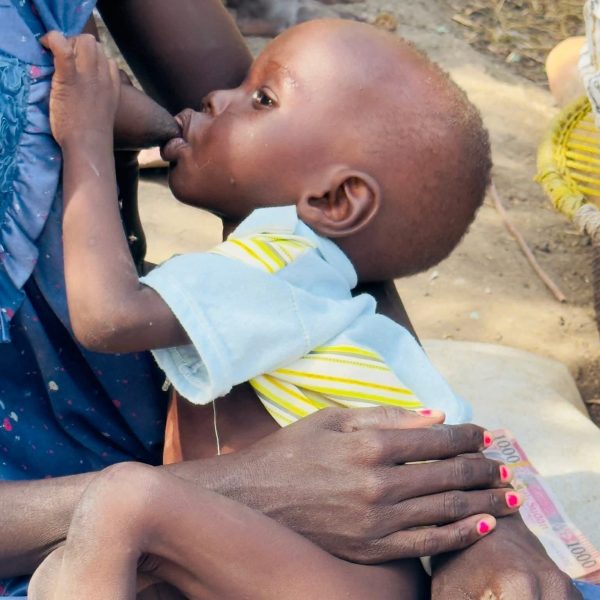
Children and families in parts of Jonglei State are surviving on leaves, water lilies and seeds meant for planting as escalating conflict, displacement and flooding drive communities deeper into hunger and push some areas closer to famine, Save the Children has warned.
The humanitarian organization said worsening insecurity has severely disrupted aid operations across parts of Jonglei, leaving thousands of vulnerable people without reliable access to food, healthcare, education and other essential services.
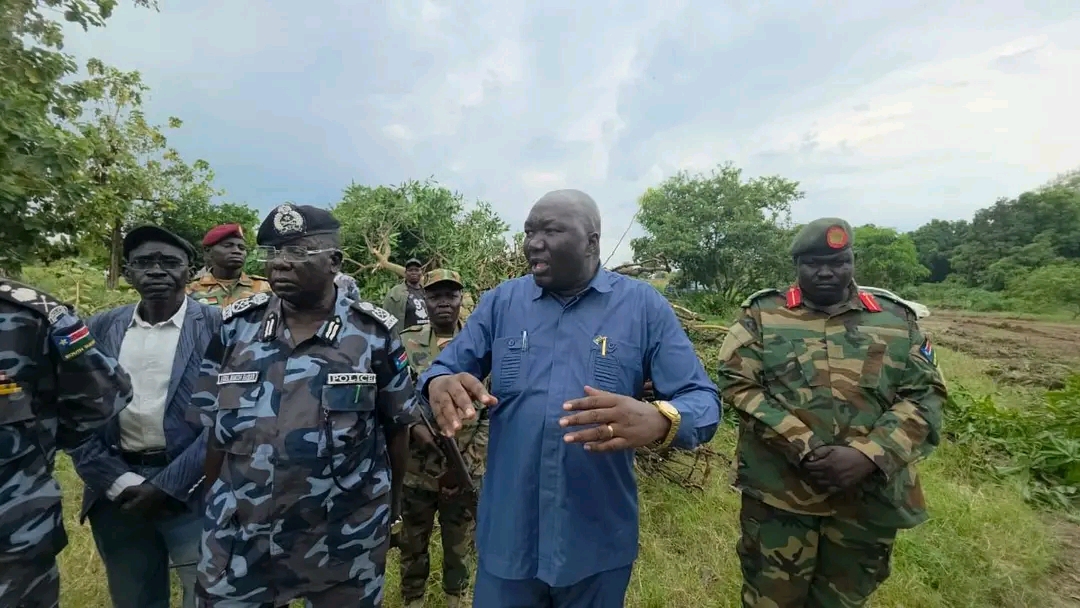
According to Save the Children, violence that intensified in March forced humanitarian agencies to suspend activities in several locations, including Akobo East, where many families had sought refuge from fighting.
The organization relocated staff from the area after security conditions deteriorated.
Earlier in February, operations in Walgak were also suspended after armed groups reportedly looted and vandalized aid facilities, destroyed a health center and seized humanitarian vehicles.
With assistance cut off in some of the hardest-hit areas, communities have been forced to adopt desperate survival measures.
Aid workers reported that many households are gathering wild plants from swamps, consuming water lilies and eating seed stocks reserved for the next planting season as food supplies continue to shrink.
The crisis is having devastating consequences for children.
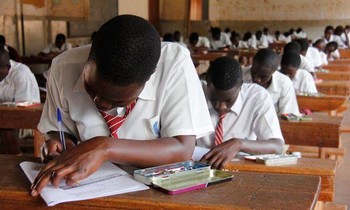
Save the Children said thousands have dropped out of school as families struggle to meet basic needs, while others are increasingly vulnerable to child labor, early marriage and exploitation.
In some communities, hunger has become so severe that children lack the strength to attend classes or concentrate on their studies.
The warning comes as the latest Integrated Food Security Phase Classification (IPC) assessment identified Akobo and Nyirol counties among four areas in South Sudan facing a heightened risk of famine.
Nationally, more than 7.8 million people about 60 percent of the country’s population are experiencing acute food insecurity, according to the IPC.
The assessment also estimates that 2.2 million children under the age of five require treatment for acute malnutrition, an increase of around 90,000 cases from previous projections.
Of those, nearly 700,000 children are suffering from severe acute malnutrition, the deadliest form of hunger, which requires urgent medical care and specialized nutritional treatment.
Health workers say many children arriving at treatment centers are in critical condition after surviving for weeks on minimal diets consisting of diluted porridge or simple mixtures of salt and flour.
The growing scale of the emergency is increasingly evident at Bor Hospital, where Save the Children supports nutrition services for malnourished children as well as pregnant and breastfeeding mothers.
Tabisa Ajer, a healthcare worker at the facility, said the number of severely malnourished children arriving for treatment is unusually high for this stage of the year.
“We have over 60 children who are severely malnourished right now. Usually, we reach those numbers later in the wet season when malnutrition peaks, but this year we are seeing them much earlier,” Ajer said.
She linked the rise in cases to a combination of worsening food shortages, seasonal flooding, insecurity and reduced agricultural production.
“We are only at the beginning of the rainy season, and conditions typically worsen between June and August. This year is more dangerous than previous years because insecurity is affecting food cultivation,” she added.
Save the Children Country Director in South Sudan, Chris Nyamandi, called for urgent action to prevent further deterioration of the situation, stressing that hunger on this scale is not inevitable.
“Solutions to extreme hunger are political. This situation can be prevented and mitigated before more children suffer,” Nyamandi said.
He urged leaders and international partners to invest in peacebuilding efforts, social protection programs and humanitarian assistance ahead of South Sudan’s 15th Independence Day celebrations next month.
He also warned that reductions in global aid funding are leaving vulnerable communities increasingly exposed to hunger and displacement.
The organization called on all parties to the conflict to protect civilians, respect international humanitarian law and guarantee safe, unhindered access for aid agencies to reach people in need.
As the rainy season gathers pace and food stocks continue to dwindle, humanitarian agencies fear conditions could worsen significantly in the coming months unless access improves and emergency assistance reaches isolated communities.
For many families in Jonglei, survival now depends on whatever can be found in the swamps an alarming sign of a crisis that continues to deepen.